
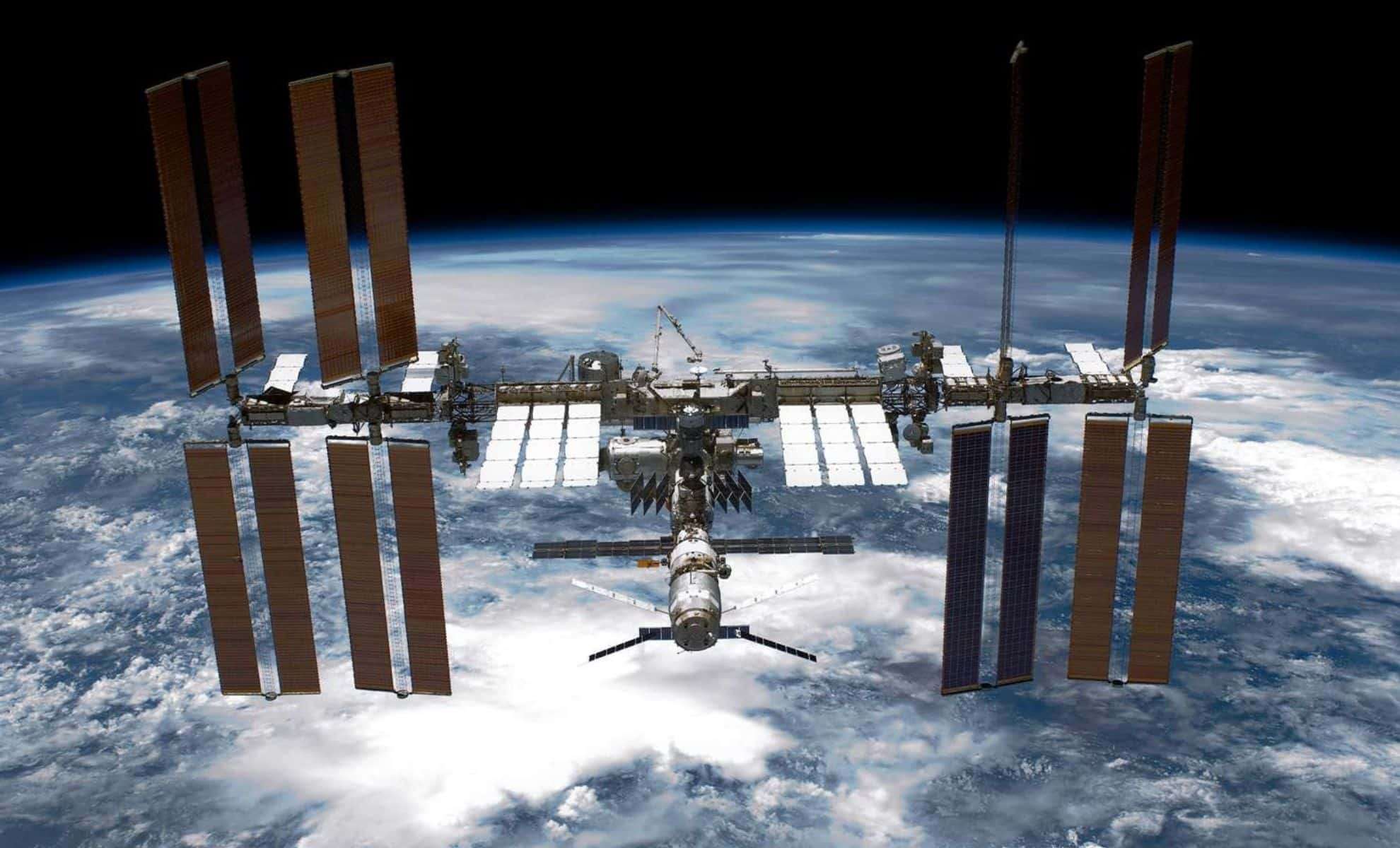
Increasing emissions of greenhouse gases could seriously undermine the sustainability of activities in low Earth orbit (LEO). A recent paper published in Nature investigates how escalating atmospheric emissions might impact LEO’s ability to support satellite missions. The study underscores the combined threats of orbital debris, space junk, and climate change that may destabilize this vital technological domain.
Findings reveal that greenhouse gases have a direct influence on the thermosphere, an atmospheric layer spanning roughly 85 to 600 kilometers above Earth. This layer plays a crucial role in satellite drag, a force that governs the gradual slowing and eventual fall of satellites back to Earth. As emissions intensify, the thermosphere contracts, decreasing drag and allowing space debris to linger longer in orbit. This effect amplifies congestion in LEO, complicating the safe operation of future satellites.
Impact of Greenhouse Gases on Satellite Traffic
The study projects that greenhouse gas buildup could severely curtail available orbital space for satellite operations within the century. By simulating multiple emissions pathways, results indicate that by 2100, under medium to high emission scenarios, usable orbital zones between 400 and 1,000 kilometers altitude could shrink by as much as 82%. Such reduction would notably restrict satellite deployment, especially in periods of low solar activity.

Carbon dioxide and other greenhouse gases reduce thermospheric density, lowering atmospheric drag. With decreased drag, satellites tend to stay in orbit longer than usual. While this might benefit functioning satellites by extending operational lifetime, it poses hazards by allowing decommissioned satellites to accumulate.
Satellites typically lose altitude over time due to drag forces and eventually incinerate upon re-entry into Earth’s atmosphere. However, the diminished drag slows this decay process, causing defunct satellites to remain aloft longer and contributing to orbital debris buildup. This rise in space clutter heightens collision risks and complicates the launch and operation of new satellites. As William Parker, lead author and MIT researcher, points out:
“Climate change and orbital debris accumulation are two pressing issues of inextricable global concern requiring unified action.”
The Vulnerability of Low Earth Orbit’s Future
This research draws attention to LEO’s increasing fragility tied to rising emissions. With thousands of active satellites already in orbit—around 11,901 satellites—and over 20,000 pieces of debris, congestion remains a growing concern. Though the condition known as Kessler syndrome hasn’t reached critical mass yet, experts caution that unchecked emissions could push orbital traffic dangerously close to this tipping point.
The rapid growth of satellite constellations deployed by corporations such as SpaceX further complicates debris management and safe orbital use. Despite advances in debris detection and monitoring systems, the sheer number of objects increases the likelihood of collisions. This could lead to chains of debris-generating incidents, creating a feedback loop that threatens the usability of space.
As emphasized by Parker and colleagues in their study:
“Understanding and respecting the influence that the natural environment has on our collective ability to operate in low Earth orbit is critical to preventing the exploitation of this regime and protecting it for future generations.”
- Categories:
- News










0 comments
Sign in to Comment