
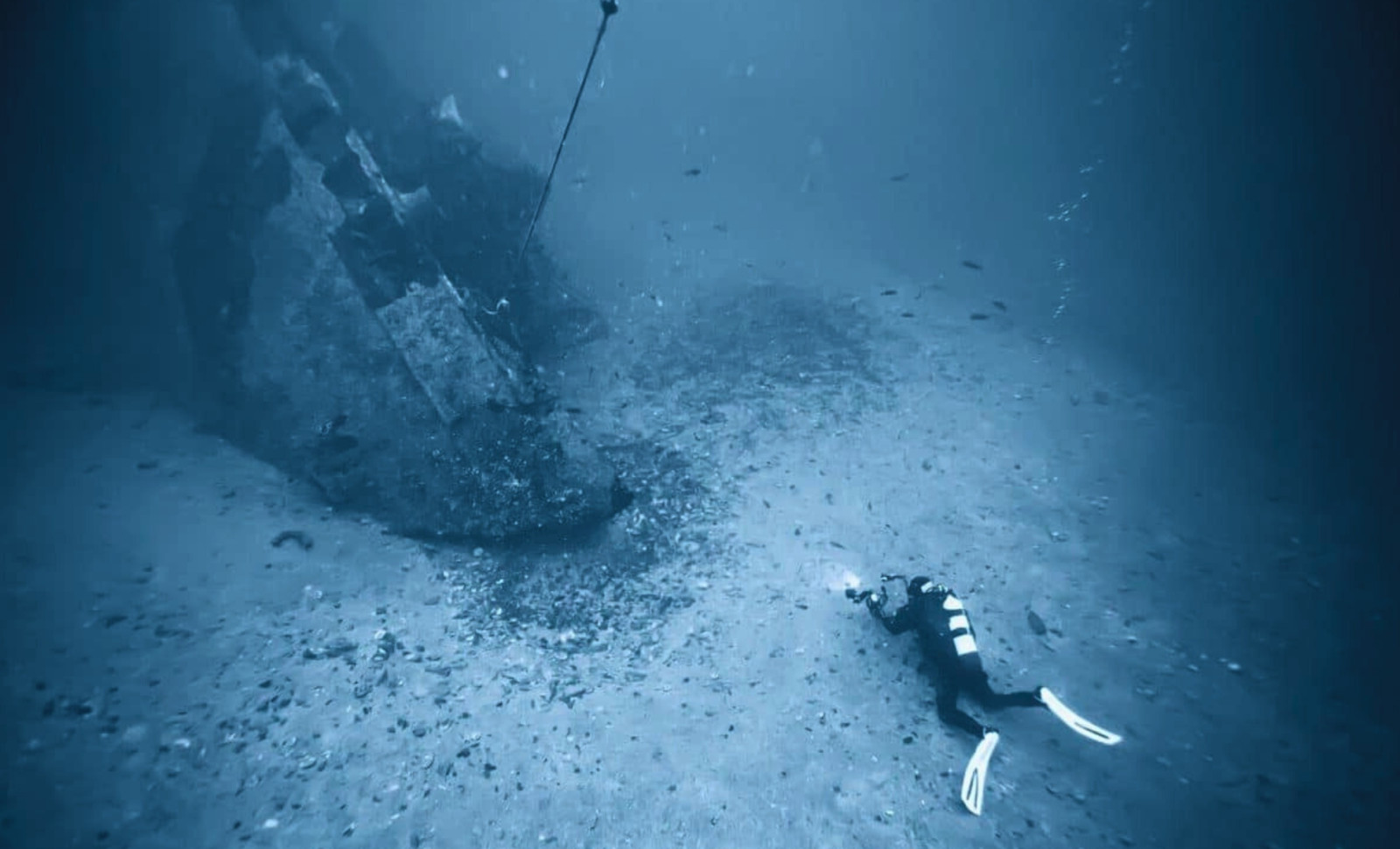
During a routine seabed survey off the coast of Ramatuelle, close to Saint-Tropez, an underwater drone operated by the French Navy detected a substantial anomaly more than 2,500 meters beneath the surface in early March 2025. Initial sonar signals hinted at something unusual, and subsequent camera footage revealed it wasn’t geological—it was the remains of a sunken ship.
Identified as the Camarat 4, this shipwreck rests at a depth of 2,567 meters in the Mediterranean Sea. The vessel dates back to the 16th century and still holds much of its original cargo, marking it as the deepest known shipwreck within French territorial waters, according to officials.
Its extreme depth explains the heightened interest it has generated. At such profound depths, human disturbance is minimal. The discovery was serendipitous; the underwater robot was conducting a government mission focused on seabed features like mineral deposits and underwater cables when the wreck was found.

Breakthrough Detection Along Ramatuelle’s Coastline
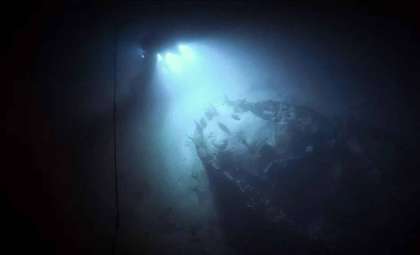
On March 4, 2025, during operations surveying the Var coastline, sonar scans detected a "notably large" object beneath the waves, as Deputy Maritime Prefect Thierry de la Burgade reported. Follow-up expeditions using cameras and a remotely operated vehicle captured detailed images that confirmed the impressive size and structure of the site.
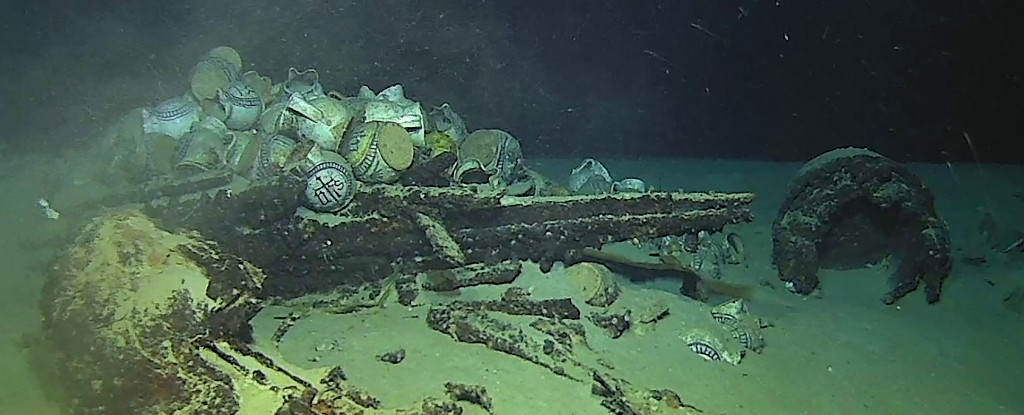
The wreck was soon confirmed to be a merchant ship from the 1500s. Named for its proximity to Cap Camarat and its numbering on local charts, Camarat 4 is heralded by Arnaud Schaumasse, head of underwater archaeology at the French culture ministry, as "the deepest shipwreck ever discovered in French waters."
The considerable depth sets this find apart. Unlike many shallow water wrecks vulnerable to looting and tourism, this site has remained untouched, making it a landmark achievement in deep-sea archaeology.
Preserved Renaissance Cargo on the Seafloor
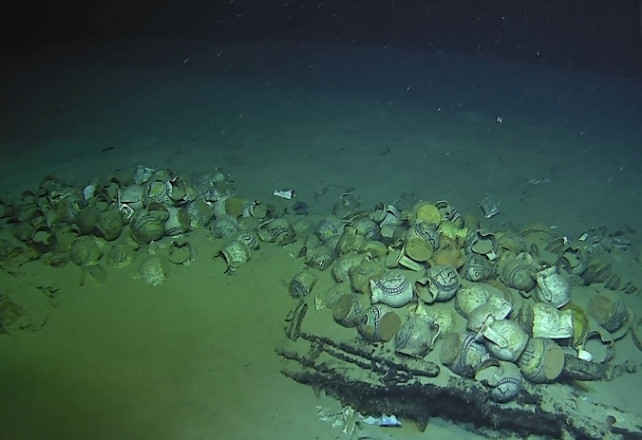
The vessel appears to have been en route from northern Italy when it sank. Visible cargo includes about 200 ceramic jugs featuring narrow spouts, often clustered together, around 100 yellow plates, two cauldrons, six cannons, an anchor, and metal ingots.
Several jugs bear the monogram “IHS,” an abbreviation linked to the Greek name of Jesus, while others display botanical or geometric decorations. These stylistic elements suggest origins from Liguria, in present-day northern Italy. Beyond its maritime intrigue, the wreck offers a rare glimpse into the commerce of the Renaissance Mediterranean.
Researchers have noted that part of the ship’s stern looks strangely vacant, unusual given the careful use of cargo space typical for merchant vessels of that era. This raises the prospect that additional objects could be concealed beneath surrounding sediments.
Exceptionally Well-Preserved Deep-Sea Relic
Marine archaeologist Marine Sadania spoke of the wreck’s remarkable preservation: “Its extreme depth has shielded the site from looting and disturbance, making it as if time has stood still — an extraordinary situation.” At over 2,500 meters, the wreck avoids the human impacts that typically degrade shallower sites.
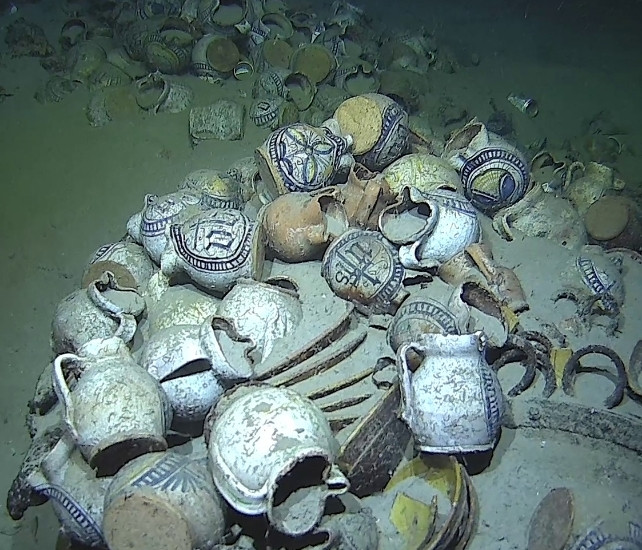
However, the site is not completely free from modern contamination. Scientists found contemporary debris interspersed among the centuries-old artifacts, including a soda can and an empty yogurt container. This stark juxtaposition highlights the ongoing issue of marine pollution, tracing even to the ocean’s depths.
This aspect adds a poignant dimension: the wreck is not only an archaeological treasure but also a testament to how modern waste has infiltrated even the most remote marine environments.
Plans for Detailed 3D Mapping of Camarat 4
Rather than conducting an excavation, the team plans to create a 3D model of the shipwreck over the next two years and selectively extract samples for research. This approach aims to carefully document the site while preserving its pristine state.
The depth of the find presents technical challenges, nearing the limits of current exploration tools, meaning any intervention must be meticulously planned. For now, Camarat 4 remains undisturbed in its dark ocean resting place, with its cargo of ceramics, weaponry, and metal goods still spread across the sea floor.
- Categories:
- News



0 comments
Sign in to Comment