
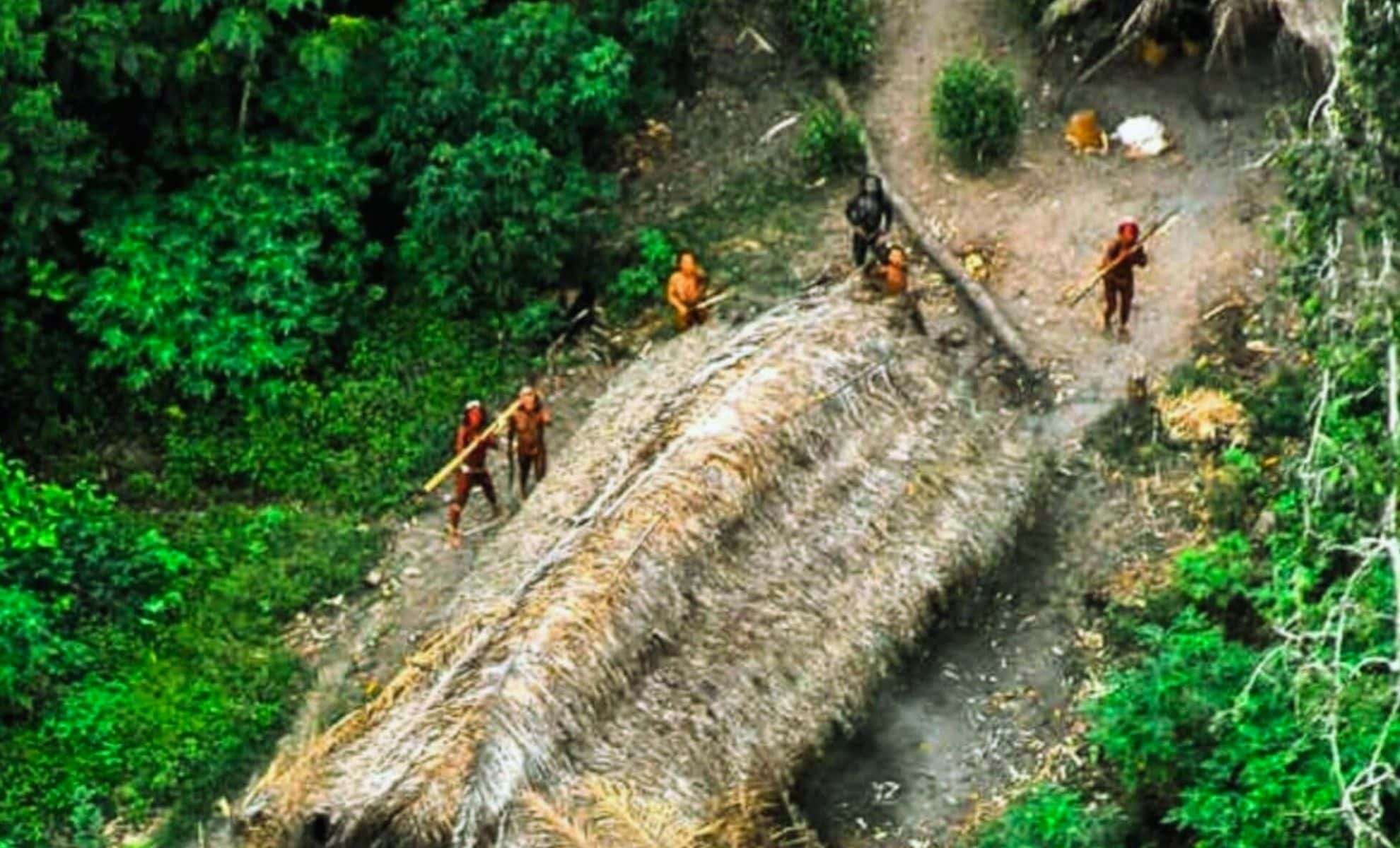
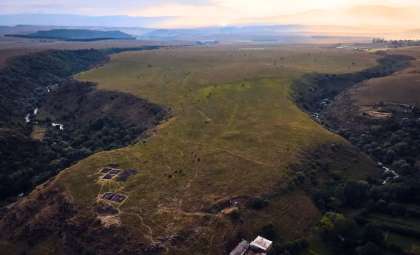
New aerial recordings produced by environmental organizations and Indigenous rights groups have unveiled rare glimpses into the lives of some of the globe’s most secluded tribes, who remain untouched by external societies. These visuals, gathered in remote forests and islands, offer important perspectives on communities that have successfully maintained isolation for generations while highlighting the ongoing dangers they confront.
North Sentinel Island’s Sentinelese Community
The Sentinelese people, inhabitants of North Sentinel Island located in India’s Andaman Islands, rank among the most recognized uncontacted groups worldwide. Estimates by the Anthropological Survey of India suggest their population ranges from 50 to 200 individuals. Having remained isolated for tens of thousands of years, Indian authorities strictly prohibit any contact to safeguard them from diseases and external influences.
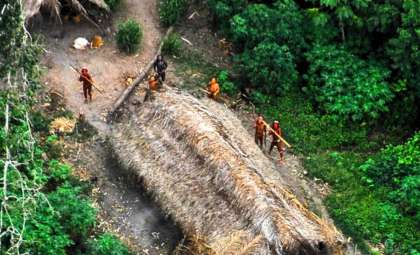
Recent drone captures reveal the Sentinelese stepping out from dense foliage to watch the flying devices, frequently armed with bows and arrows. T. N. Pandit, an anthropologist who has observed the tribe remotely, characterizes them as “self-reliant and completely independent from external societies,” surviving through hunting, fishing, and gathering. Their strong opposition to outside interference reflects their commitment to maintaining their traditional lifestyle.

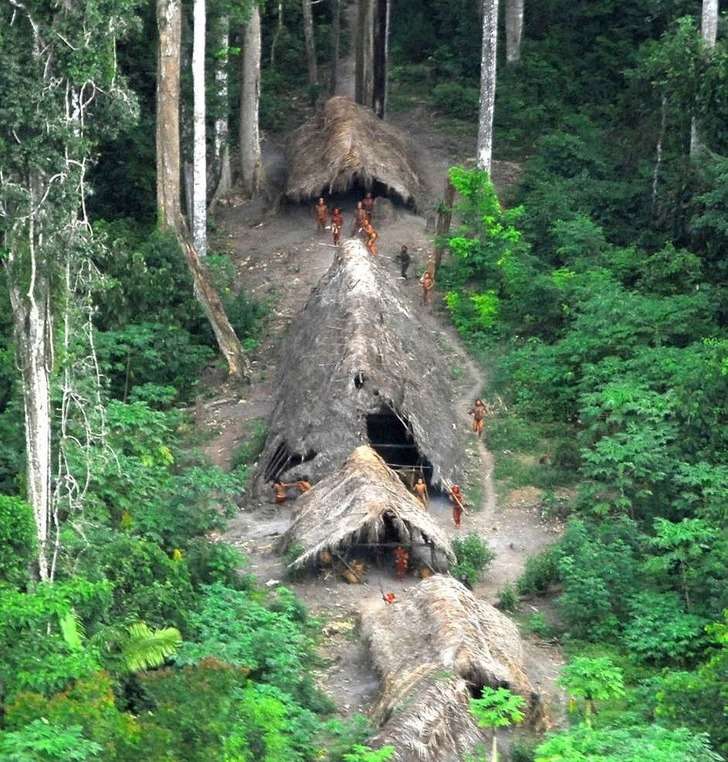
Pressure Mounts on Hidden Amazonian Indigenous Groups
The Amazon rainforest in Brazil harbors the largest concentration of uncontacted tribes globally. The isolated territory of the Javari Valley, situated near the Peruvian border, is home to over 100 such groups, states Brazil’s Indigenous affairs body, FUNAI. These peoples purposely avoid contact, stemming from a history marked by violent confrontations.
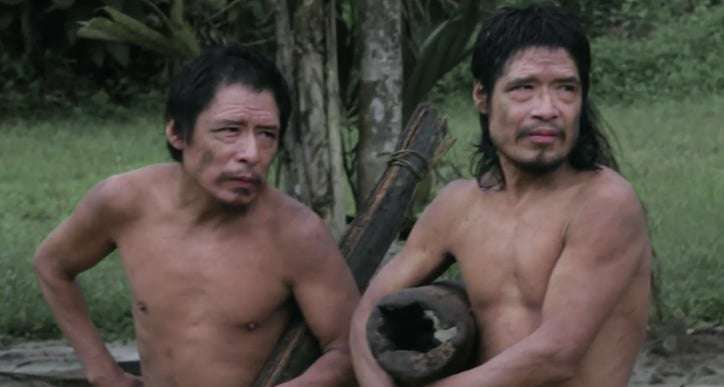
Despite legal protections, illegal mining and logging endanger their existence. Data from Global Forest Watch reveals that deforestation on Indigenous protected lands has accelerated in recent years. The Awá tribe, who lead a nomadic lifestyle as hunter-gatherers, face significant risks from habitat destruction. Rights organization Survival International warns that “any loss of their forest habitat could bring them close to extinction.”
The Severe Risks of Contact
Engaging with isolated tribes often brings tragic consequences due to their lack of immunity to widespread diseases like influenza and measles. The Piripkura tribe in Brazil’s Mato Grosso region exemplifies this vulnerability, with their population dwindled to just a few survivors following violent land seizures during the rubber boom era and conflicts with illegal loggers.
The tragic incident in 2018, where American missionary John Allen Chau lost his life attempting to reach the Sentinelese, sparked intense ethical discussions about contacting isolated groups. His death emphasized the importance of honoring these peoples’ desire for isolation. Anthropologist Kim Hill from Arizona State University notes that “despite good intentions, contact often results in calamity; historical evidence shows these tribes thrive only when left undisturbed.”

Guarding Isolation as a Means of Protection
Most experts agree the survival of uncontacted tribes depends on defending their territories and refraining from forced engagement. Stephen Corry, director of Survival International, stresses that “respecting their decision to remain isolated is essential for their continued existence.” Strengthening legal protections and halting illegal incursions remain vital actions.
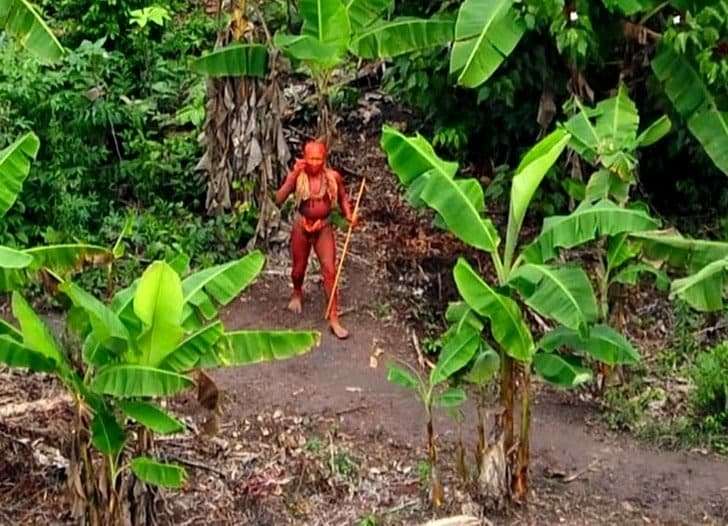
While drone technology offers new methods to observe and document these groups from afar, it also prompts important considerations about intrusiveness. These uncommon aerial perspectives serve as a poignant reminder of their cultures’ vulnerability amid increasing outside threats. Safeguarding their sovereignty not only upholds human rights but also preserves invaluable cultural heritage.
- Categories:
- News








0 comments
Sign in to Comment