
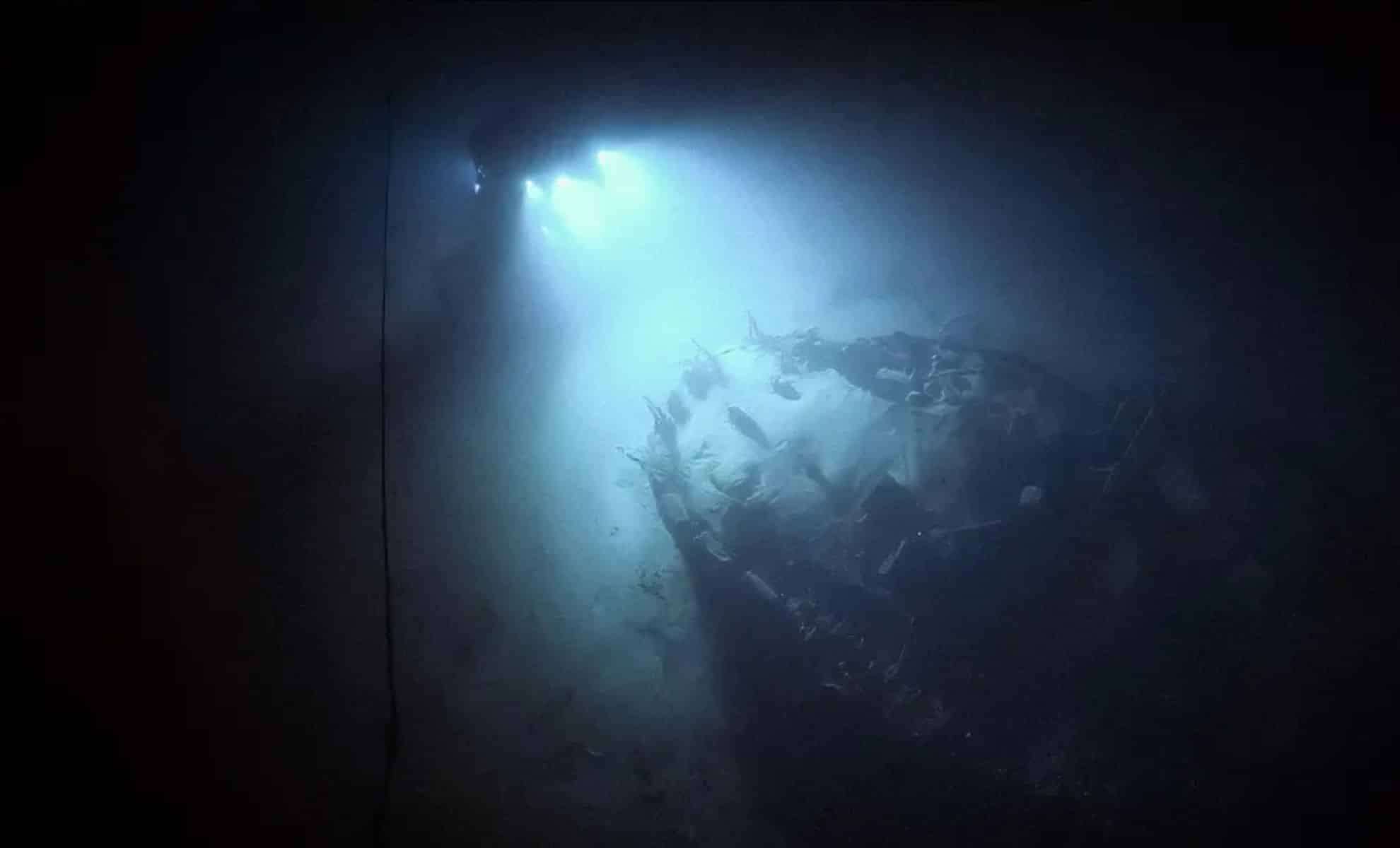
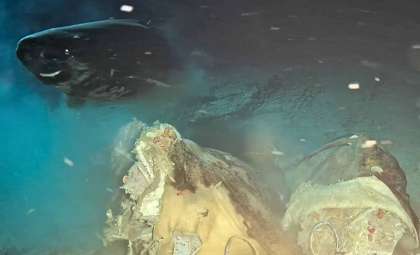
Researchers from around the world have successfully located the sunken remnants of the Japanese destroyer Teruzuki, a key warship from World War II, missing since it went down in December 1942. This breakthrough, featuring detailed underwater images, was shared by the Ocean Exploration Trust and covered in Smithsonian Magazine.
The Shipwreck From an Overlooked Naval Clash
Resting more than 2,600 feet beneath the ocean near Guadalcanal, the Teruzuki lies within Iron Bottom Sound, a channel between Savo Island, Nggela, and Guadalcanal known for fierce 1942 naval engagements. This battleground claimed over 100 ships, 1,450 planes, and inflicted more than 20,000 casualties.
Built in 1942 for the Imperial Japanese Navy, the Teruzuki belonged to the Akizuki-class destroyers, optimized for anti-aircraft support and nicknamed the “Tokyo Express.”

On December 12, 1942, the destroyer was hit by two Mk-8 torpedoes from American forces near Cape Esperance, damaging its steering system and starting fires onboard. Most of the crew and Admiral Tanaka survived, but nine sailors lost their lives as the ship eventually sank. Due to wartime secrecy, there are no surviving photographs of the vessel; its shape can only be inferred from other ships in the same class.
Advanced Technology Uncovers a Historic Shipwreck
The wreck was initially detected with the help of DriX, an unmanned surface vessel managed by the Center for Coastal and Ocean Mapping at the University of New Hampshire. This autonomous craft utilized high-resolution sonar to identify a massive object on the ocean floor. Dr. Larry Mayer, director of the Center, explained, “It was something unknown to us until now.”
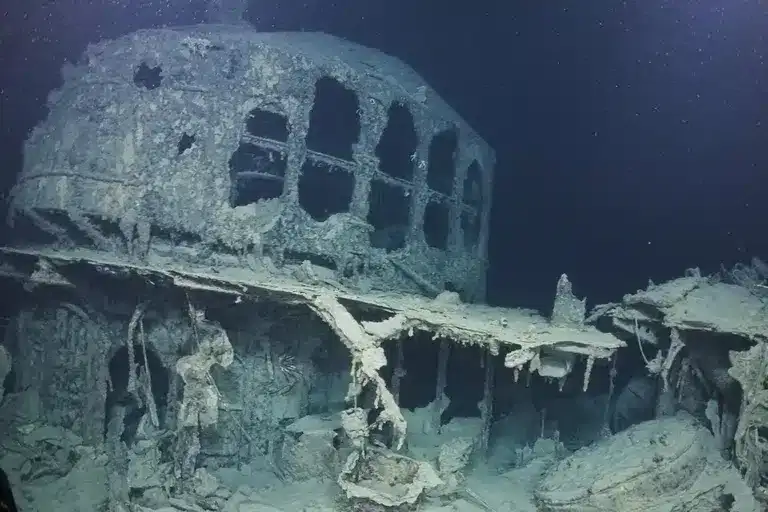
After pinpointing the wreck, two remotely operated vehicles (ROVs) named Hercules and Atalanta were sent from the E/V Nautilus to capture direct images. The ship’s main hull was found intact, its gun turrets still pointing skyward, preserving its combat-ready condition.
Roughly 200 meters away, explorers discovered the ship’s detached stern, previously unnoticed before the ROV survey. Mayer described this find as an especially thrilling secondary discovery.
A Cultural and Historical Milestone
Among the team was Hiroshi Ishii, a maritime archaeologist from Kyoto University and a crew member onboard the Nautilus. Discussing the find with Newsweek, Ishii noted how little is commonly known in Japan about the naval battles surrounding Guadalcanal.
“As a Japanese national, I am grateful that this shared history between the U.S. and Japan is being honored,” he remarked. “This opportunity to uncover something lost for more than 80 years is truly unique.” Ishii also highlighted the rarity and honor of contributing to the identification of this long-missing vessel.
New Discoveries Advance Maritime History
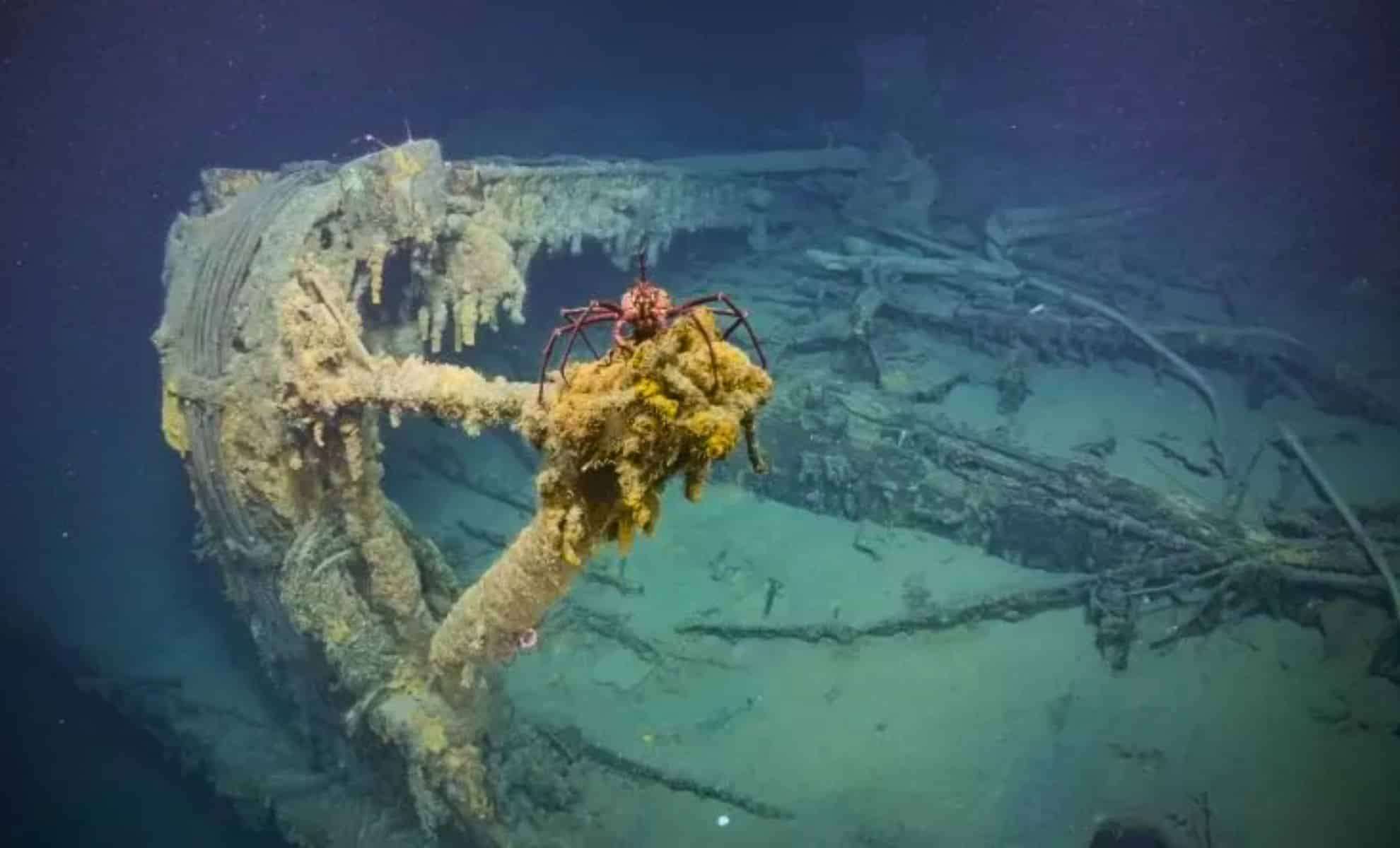
Earlier during the same expedition, the Nautilus team revealed the rediscovered bow section of the USS New Orleans, which was severed in November 1942 after a Japanese torpedo strike. Despite serious damage, the American crew ingeniously navigated the crippled ship backwards to safety over a 1,000-mile journey to Australia using a makeshift bow made from coconut logs.
Phil Hartmeyer, a marine archaeologist with NOAA Ocean Exploration, commented, “Identifying Rear Admiral Tanaka’s flagship Teruzuki involved a collaborative international team documenting its remains, highlighting the historical importance to both former foes and current allies.” He added, “Exploring our planet’s unknown waters allows us to uncover powerful stories of sacrifice and humanity’s bond with the oceans.”
- Categories:
- News





0 comments
Sign in to Comment