
A groundbreaking exploration near Easter Island (Rapa Nui), Chile, in the remote Salas y Gómez Ridge has revealed an impressive diversity of ocean life. Led by the Schmidt Ocean Institute, the expedition discovered more than 50 species never before recorded by scientists within this vast chain of underwater mountains stretching about 2,900 kilometers.
Remarkable New Ocean Discoveries
From February to April 2024, an international team of 25 scientists representing 14 institutions conducted an extensive survey of the seamounts in the Salas y Gómez Ridge. Their efforts led to the identification of 160 species, including an estimated 50 to 60 potentially new to science at initial observation.
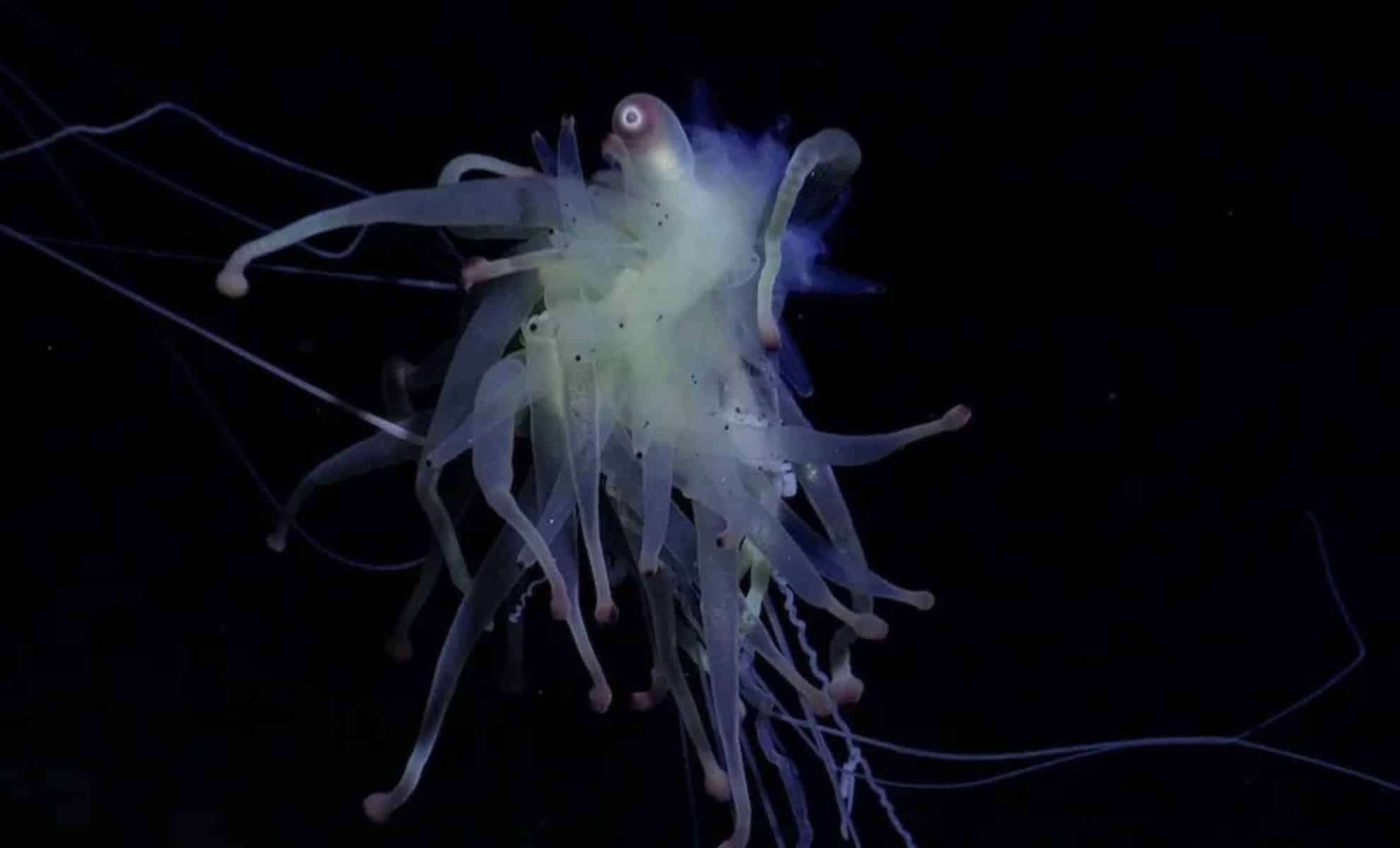
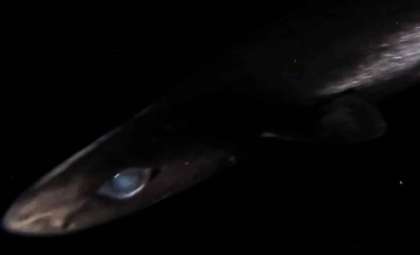
Planctoteuthis, a deep-sea squid that has been very rarely observed
pic.twitter.com/3Lq529RWN4— Scary Underwater (@scaryunderwater) November 18, 2024Add Cosmo Herald as a Preferred Source

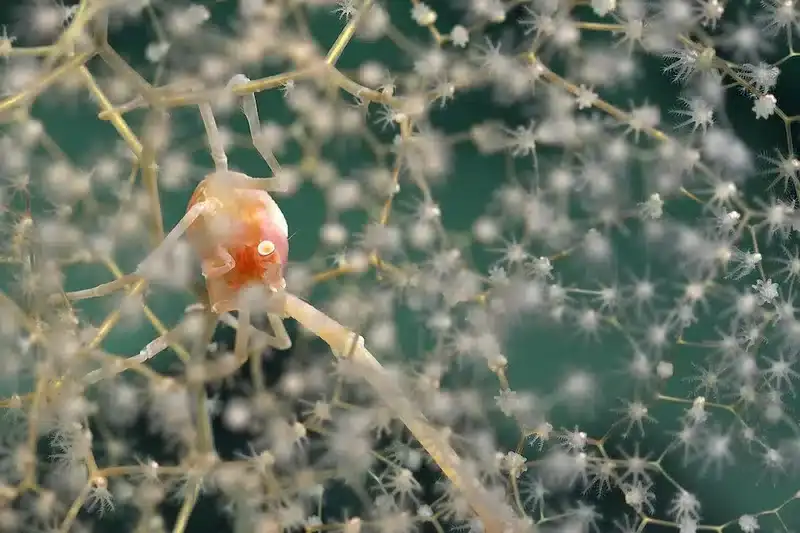
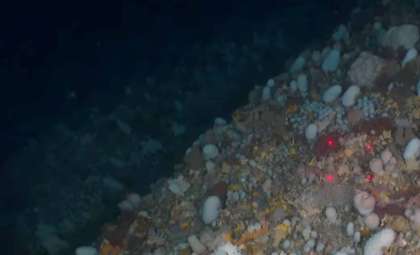
The discoveries included deep-sea corals, glass sponges, squid, sea urchins, mollusks, fish, crabs, sea stars, and squat lobsters, all previously unrecorded in this locale. Ariadna Mechó from the Barcelona Supercomputing Center highlighted, “Between 50 and 60 species initially appear new to science, and this number is expected to rise as we examine more samples in the lab.”
This extraordinary exploration sheds light on the largely unknown deep-sea ecosystems surrounding Easter Island, emphasizing the importance of investigating these hidden marine environments.
International Collaboration Brings Unique Expertise
During the 40-plus days at sea, experts from Chile, the United States, Italy, Spain, and the Netherlands joined forces. This mission also marked the debut of Emilia Ra’a Palma Tuki, a Rapa Nui marine biologist and recent graduate from Universidad Católica del Norte in Chile, participating in such a high-profile study. She contributed alongside global researchers in uncovering the secrets of Salas y Gómez Ridge’s depths.
Beyond species discovery, the team aimed to understand the ecosystems associated with individual seamounts and islands known for unique habitats such as glass sponge gardens and deep coral reefs.
Implications for Future Ocean Protection
The mission’s results could be instrumental in guiding future conservation strategies around Easter Island. Dr. Javier Sellanes, a lead scientist from Universidad Católica del Norte, emphasized the discovery’s importance: “The unique habitats and marine communities we observed highlight how little is known about this isolated region.”
The collected data may support the development of enhanced marine protected areas (MPAs) in Chile. Researchers hope their ongoing analyses will help establish new MPAs, extending safeguarding to Rapa Nui and critical sites along the Salas y Gómez Ridge.
Dr. Erin E Easton, chief scientist at the University of Texas Rio Grande Valley, stressed the need for comprehensive protection. “Distinct ecosystems on each seamount illustrate why conserving the entire ridge is essential, rather than focusing on a few isolated spots,” she remarked.
- Categories:
- News



0 comments
Sign in to Comment