
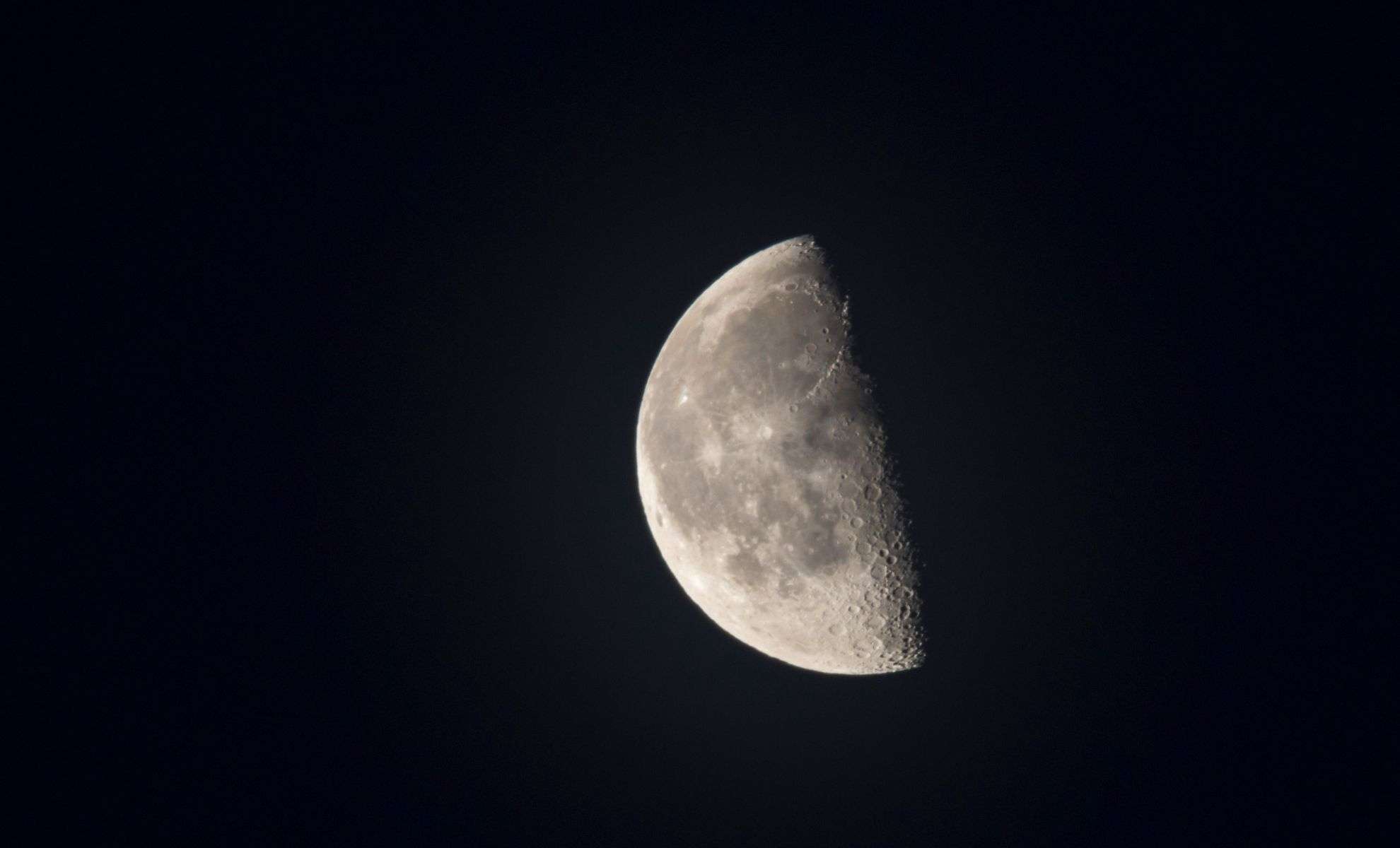
This evening, October 28, sky enthusiasts have the chance to observe a remarkable optical effect on the moon’s surface. Just before reaching its first-quarter phase, a striking “X” and “V” pattern will appear as sunlight interacts with lunar terrain features.
These captivating shapes arise from the shadows cast by craters and mountain ridges along the moon’s terminator, the boundary that separates lunar day from night. This event is a treat for both dedicated astronomers and casual observers, with no need for advanced telescopic equipment to enjoy the spectacle.
Optimal Viewing Time for the Lunar ‘X’ and ‘V’
According to a detailed Space.com briefing, tonight’s moon phase alignment offers prime conditions to witness this phenomenon. The best opportunity to see the “X” and “V” will be around 7 p.m. EDT (23:00 GMT), as the sky darkens. At this time, the moon will sit roughly 20 degrees above the southern horizon—easy to spot since a fist at arm’s length covers about 10 degrees horizontally.

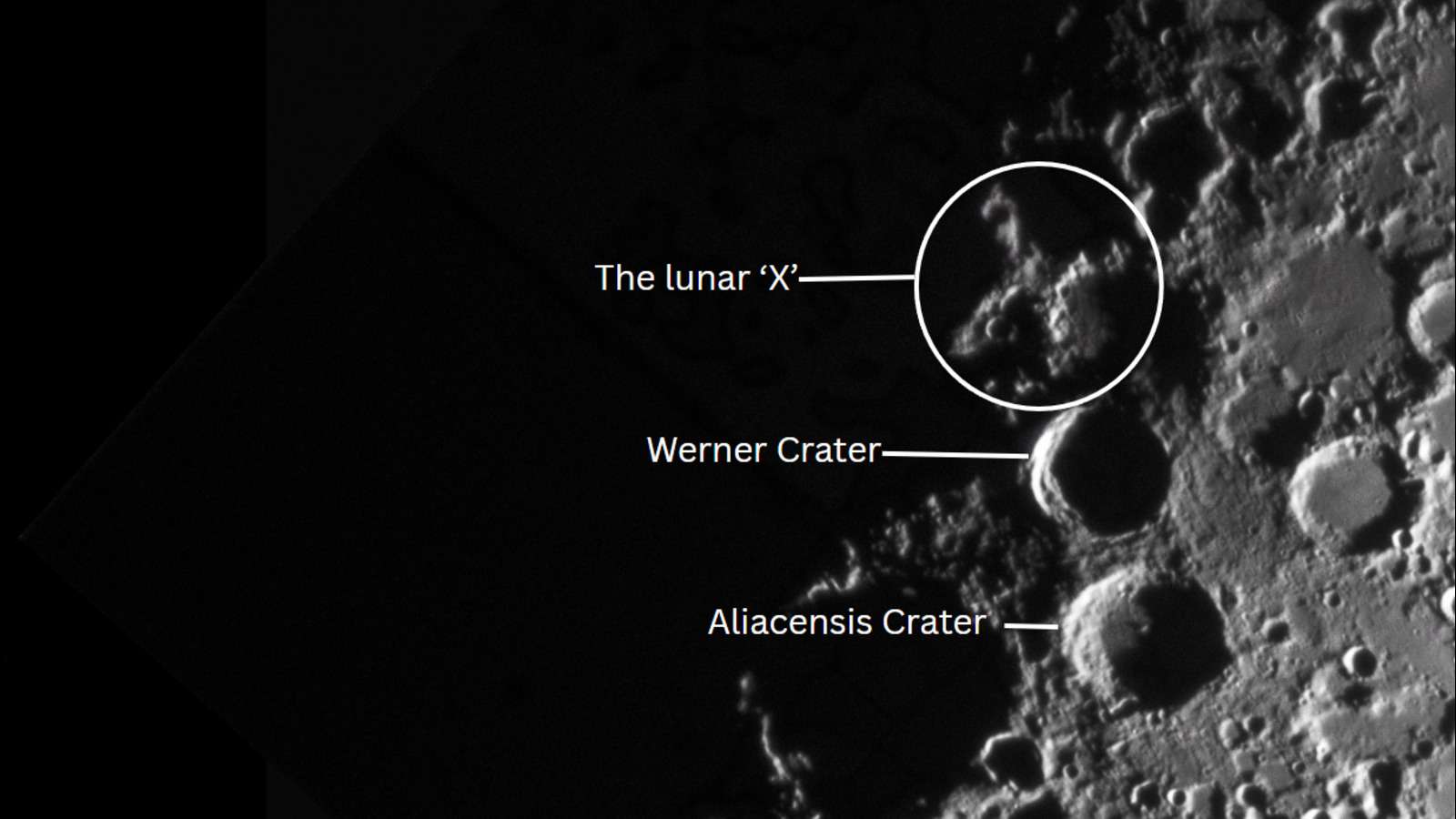
The iconic lunar “X” appears about 25 degrees south of the moon’s equator, where sunlight highlights the rugged edges of the Bianchini, Purbach, and La Caille craters. Shadows from these formations create the distinct “X” shape. Meanwhile, the “V” pattern becomes visible roughly 10 degrees above the equator, near the left of Mare Tranquillitatis, or the Sea of Tranquility. The combination of light and shadow brings these symbols into stunning clarity when illuminated at the right angle.
Equipment Suggestions for the Best View
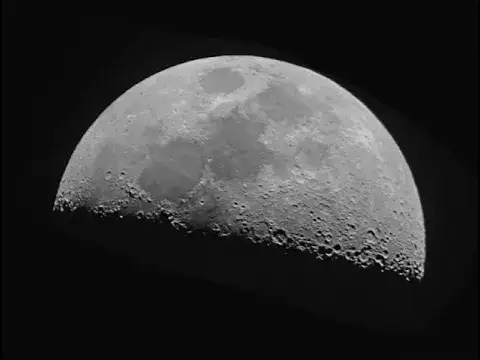
To clearly observe the details of the “X” and “V” formation, a telescope with a minimum aperture of 6 inches is recommended. This size allows viewers to discern the intricate shadow patterns cast by lunar craters and the nearby dark plains. Although binoculars or smaller telescopes can reveal the moon itself, the unique shapes might not be as distinct.
For beginners, models like the Celestron NexStar 4SE are excellent choices. These automated telescopes help locate celestial objects quickly and offer crisp views of the lunar surface, making them well-suited for novice stargazers.
Understanding Tonight’s Distinct Lunar Appearance
The Earth’s only natural satellite follows a 27-day orbit around our planet, which causes changing patterns of illumination on its surface. This shifting alignment results in varied light and shadow effects, bringing the “X” and “V” patterns into sharp relief near the lunar terminator, the line separating day from night on the moon. This boundary enhances the contrast needed to spotlight these features, making tonight a prime occasion for their observation.
Photographers interested in capturing this lunar event should consider using a tripod and a camera with adjustable settings. Such equipment will help highlight the sharp details of the “X” and “V” markings for stunning moon imagery.
- Categories:
- News













0 comments
Sign in to Comment