
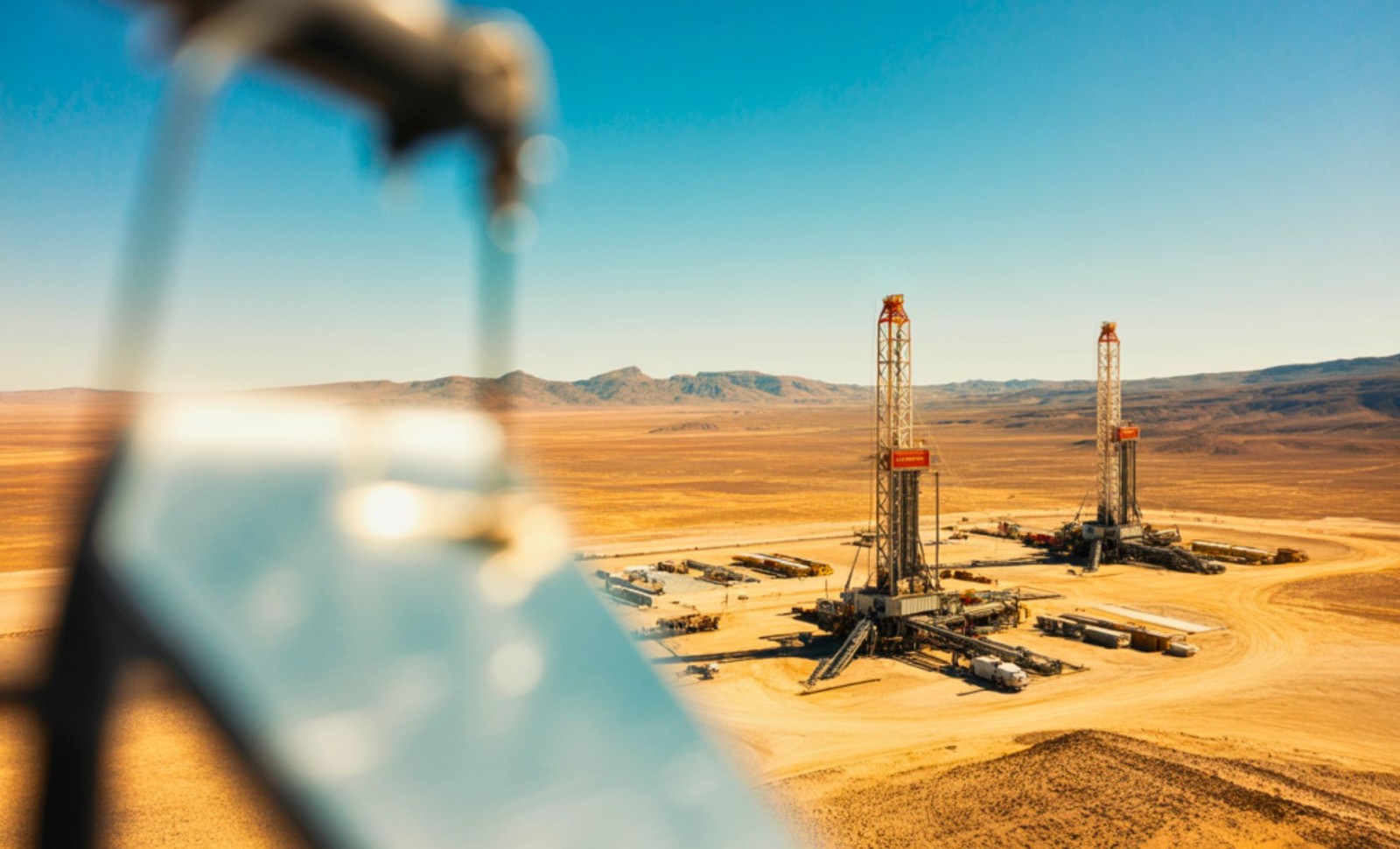
Deep beneath Nevada’s arid high desert, an innovative energy discovery is making waves. Salt Lake City’s Zanskar, a geothermal energy company, has revealed a commercial-grade blind geothermal system—a resource with no surface signs—marking the first confirmed find of its kind by the U.S. geothermal sector in over 30 years.
Dubbed “Big Blind,” this geothermal site lacks traditional indicators like hot springs or steam vents. Instead, it harbors a naturally occurring, high-temperature underground reservoir that could provide consistent baseload renewable energy, a crucial yet elusive component in clean power generation.
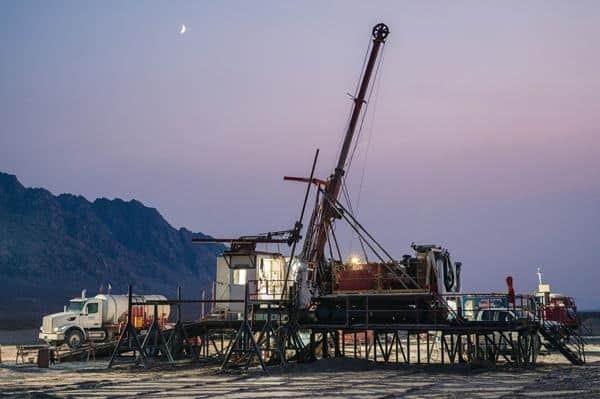
While this is Zanskar’s third geothermal find this year, Big Blind stands out as its first proven blind system. This breakthrough challenges long-held beliefs about where geothermal sources are situated and how to discover them.

The implications of this finding extend nationwide. As U.S. energy grids strive to phase out fossil fuels yet maintain reliability, Big Blind could demonstrate a new path toward tapping into clean, continuous energy from unexpected locations.
AI-Powered Exploration Unlocks Hidden Geothermal Potential
Zanskar pinpointed Big Blind using its proprietary AI-driven exploration platform, integrating geological data with machine learning algorithms to spot geothermal hot spots. During summer 2025, the team drilled two intermediate-depth wells targeting areas of elevated heat flow.
Both wells struck a permeable reservoir with temperatures near 250°F around 2,700 feet deep—a noteworthy achievement in a region where reaching similar heat usually requires drilling as deep as 10,000 feet and expensive stimulation techniques.
“This unveiling of Big Blind…demonstrates the speed and repeatability of our AI-native platform,” said Carl Hoiland, co-founder and CEO of Zanskar, in the official press release on GlobeNewswire.
This latest discovery follows Zanskar’s previous successes at Lightning Dock in New Mexico—currently the top-performing pumped geothermal well in the country—and Pumpernickel in Nevada. Detailed information about these sites can be found on Zanskar’s official site, which highlights an expanding pipeline of geothermal prospects.
Reimagining Reliable Renewable Energy with Geothermal
Beyond Big Blind itself, this discovery suggests that traditional geothermal resources—once thought to be exhaustively explored or scarce—might be far more common if searched for with advanced techniques.
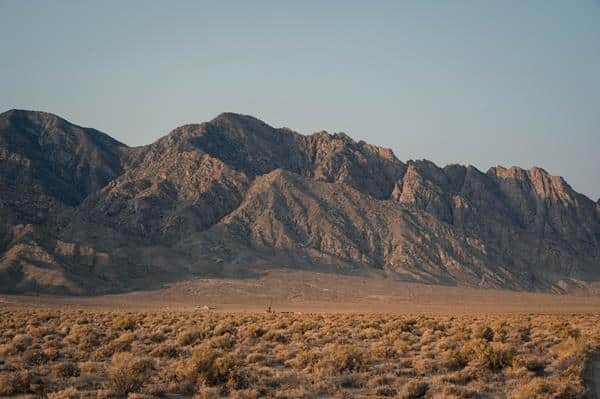
Zanskar asserts that Big Blind fulfills all requirements for utility-scale geothermal power production using conventional technology. Estimates suggest such systems could deliver over 100 megawatts of dependable, clean energy, with deeper future drillings likely uncovering hotter zones.
“The discovery wells only begin to tap the potential of this naturally occurring geothermal source,” the company stated, highlighting prospects for accessing higher temperature layers as development advances.
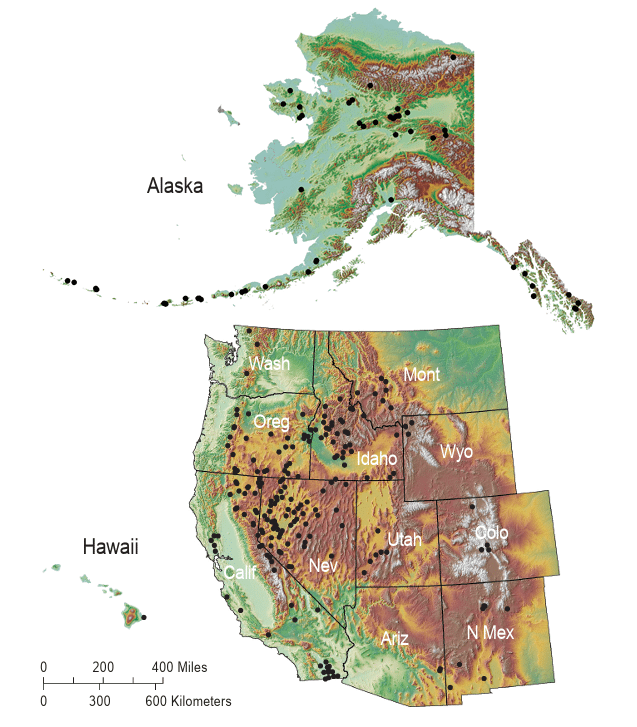
These findings resonate with studies from the U.S. Geological Survey, which identified vast untapped geothermal reserves, often concealed in sedimentary formations and overlooked due to lack of visible surface indicators.
Importantly, Zanskar’s approach does not depend on advanced well stimulation methods, reducing both environmental impact and costs. This contrasts with engineered geothermal systems being developed by firms like Fervo Energy, which rely on hydraulic fracturing to increase heat extraction.
Challenging Old Geothermal Exploration Paradigms
Historically, geothermal exploration in the U.S. has focused on sites with obvious surface heat phenomena, such as California’s The Geysers and Nevada’s Coso area. This narrow focus has left large portions of the western states unexplored despite promising geology.
Zanskar’s AI-based exploration strategy may overturn this bias, revealing previously hidden geothermal assets. Its repetitive success across multiple distinct locations suggests blind geothermal systems could be a significant, underexploited clean energy resource.
“Naturally occurring geothermal systems are commonly overlooked for being ‘too difficult to find,’ or ‘too sparse to matter,’” said Joel Edwards, co-founder and CTO of Zanskar, in the same press statement.
This shift in geothermal development is catching the eye of researchers and energy policy advocates. A Department of Energy report recently underscored geothermal power as an undervalued renewable resource with high utilization and lower land footprint compared to wind and solar.
Future Prospects for Geothermal Energy Revitalization
Though Big Blind is still in exploration, Zanskar plans to advance with comprehensive well drilling and extended flow testing to fully evaluate the site’s capabilities. Success could set the stage to expand geothermal power throughout the western U.S.
The company continues to scan for more geothermal anomalies with its AI platform in geologically similar regions. As demand for clean, reliable energy rises alongside supportive policies, this method could reshape geothermal’s role in America’s evolving energy landscape.
At present, Big Blind’s discovery provides compelling evidence that hidden geothermal resources are far from rare; they simply require innovative approaches to reveal. With the appropriate technology and exploration strategies, these underground assets might become vital contributors to a resilient, zero-emission electricity grid.
- Categories:
- News








0 comments
Sign in to Comment