
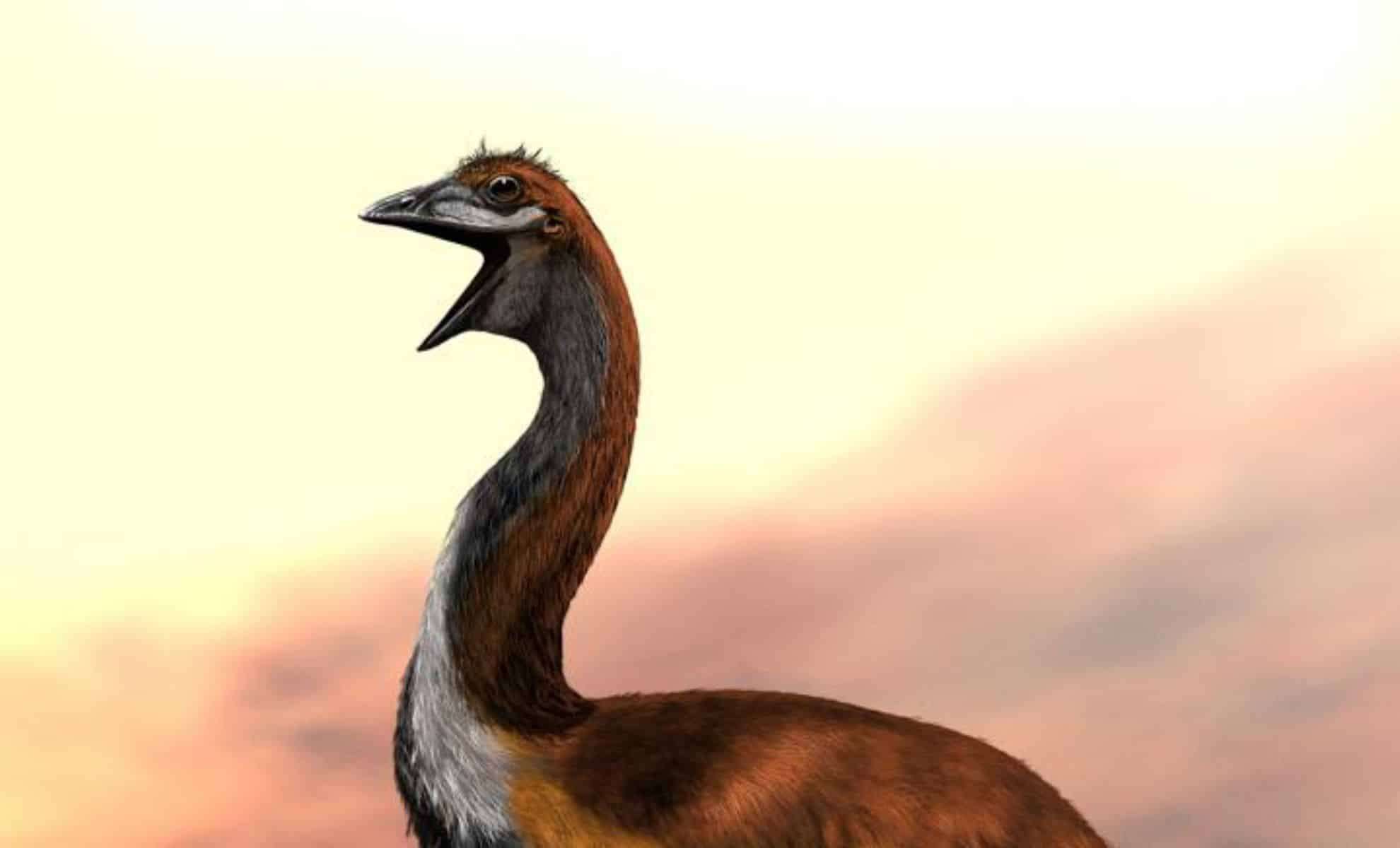
Madagascar has long been renowned for its extraordinary and distinctive wildlife. Among its most impressive inhabitants was the elephant bird, a colossal avian species that disappeared nearly a millennium ago. Celebrated in folklore and known to science as the largest bird to have ever lived, it dwarfed even the biggest modern birds such as ostriches and emus in both height and weight.
A Massive Flightless Creature
The elephant bird (Aepyornis maximus) belonged to the ratite family, which includes ostriches, emus, and kiwis. Yet it was far larger than any of these, with adults tipping the scales at over 2,000 pounds and reaching heights close to 10 feet. These birds were built more for raw power than speed, with sturdy legs and bulky frames, while their tiny wings were insufficient for flying. Nevertheless, the elephant birds thrived across Madagascar’s forests and savannas, facing few natural threats due to their immense size.
Huge Eggs and Leisurely Pace
Information from the Lab Manager website reveals that the elephant bird laid some of the largest eggs ever found. These eggs grew to about 13 inches in length and held roughly two gallons of fluid—equivalent to around 150 chicken eggs.

Fossilized remains of these eggs still surface occasionally on Madagascar’s shores or get uncovered by locals and scientists. The enormous egg sizes reflect the impressive proportions of their parent birds and likely played a crucial role in their survival up until extinction.
Though enormous, elephant birds were herbivores, feeding on fruits, leaves, and plants close to the ground within dense forest ecosystems. Their slow, deliberate movements allowed them to navigate thick undergrowth with ease, relying on bulk rather than nimbleness.
An Unexpected Kinship with the Kiwi
Interestingly, elephant birds are more closely related to the small, flightless kiwis of New Zealand than to other large flightless birds like the ostrich or emu. Genetic research analyzing ancient DNA has uncovered this surprising evolutionary link, highlighting a unique biological lineage despite major size differences.
These studies have reshaped scientists’ understanding of the elephant bird’s place on the avian evolutionary tree, underscoring its distinctive traits among ratites.
Human Arrival and the End of the Elephant Bird
The extinction of the elephant bird closely aligns with the arrival of humans on Madagascar, estimated between 500 and 1000 A.D. This overlap strongly suggests that human interference was a key factor in the bird’s decline.
Samuel Turvey, a co-author and professor at the ZSL Institute of Zoology, emphasized, “Understanding the diversity of past species is critical for grasping evolutionary and ecological changes on islands like Madagascar. Recognizing what was lost after humans arrived is essential to protecting today’s endangered species.”
As human activities intensified, the elephant bird population dwindled, eventually disappearing entirely by approximately 1000 A.D. Today, the species survives only through fossils and cultural myths. These giant birds continue to fascinate researchers and fuel imaginations about their incredible presence.
The disappearance of such a monumental bird underscores the fragile ecosystems that once flourished in Madagascar and highlights the profound consequences of human impacts on biodiversity.
- Categories:
- News









0 comments
Sign in to Comment