
In Ghent, Belgium, deep excavation trenches have emerged as workers convert a historic military site into a new urban park. Initial digging pierced through modern surfaces near the site of the former Spanish Castle, a fortress that historically guarded the city's eastern boundary. At first, the operation seemed routine, aiming to uncover remnants of the citadel before re-landscaping the area.
However, as the excavation reached deeper layers, the earth revealed signs older than the 16th-century stronghold. Archaeologists from the Ghent Archaeological Service observed dark soil embedded with carefully arranged stones that defied expectations, showing patterns unlike defensive walls or artillery installations.
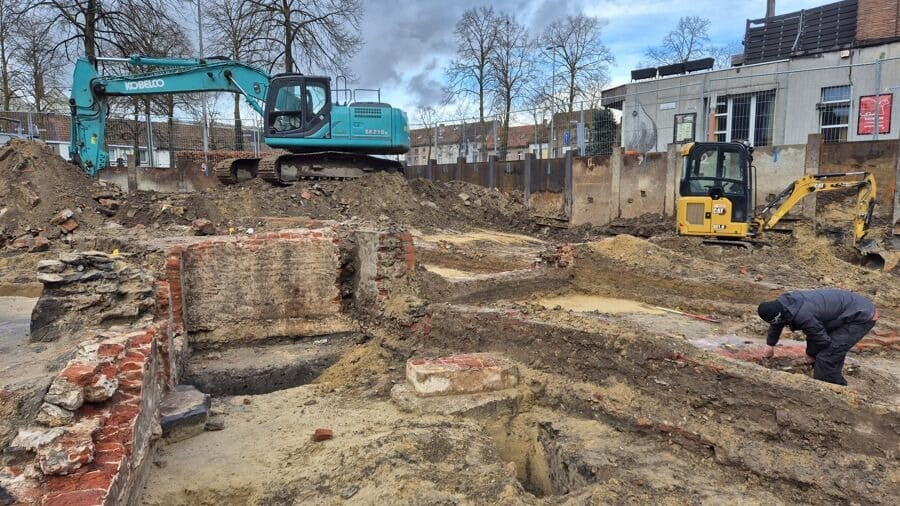
Delicate stone alignments emerged across the terrain, resembling foundations from a settlement predating the fortress. Rows of small, rectangular bases suggested a network of narrow pathways or property divisions. What was supposed to be a simple construction project gradually uncovered an older, buried community beneath the fortress's remains.

On February 19, 2026, researchers verified their findings: the exposed foundations were remnants of a medieval settlement lost long before the citadel was erected. According to VRT NWS, the vast structure had unintentionally encapsulated an entire forgotten neighborhood beneath its fortifications.
The Lost Neighborhood of 1540
Expanding their dig, archaeologists mapped out the buried district’s layout. The unearthed footprints of residences and public buildings pointed to the historic St. Bavo’s Abbey district, once a bustling medieval quarter of Ghent. Remains of closely clustered homes flank narrow roadways, with a large stone church foundation revealed at the site’s heart.
VRT News reports identified the church as dedicated to Saint Bavo, an important spiritual hub for thousands in the vicinity. The area around the church contains walls that once enclosed a densely populated neighborhood filled with homes, workshops, and trading spaces.
This community met a sudden end in 1540 amid clashes between local citizens and imperial powers. In response to a taxpayer revolt, Holy Roman Emperor Charles V ordered the destruction of St. Bavo’s Abbey and approximately 800 adjacent residences, clearing land for a new stronghold reinforcing imperial dominance.
Previously, historians presumed the old district had been fully eradicated before fortress construction. However, the dig reveals that the ancient community was buried intact beneath the fortress’s foundation.
Shielded by the Fortress
Unintentionally, the fortress preserved the heritage below. Its massive stone walls and compacted earth acted like a protective seal over the earlier settlement. Unlike other parts of Ghent, which underwent redevelopment, this area remained untouched under the fortress.
Geert Vermark of the Ghent Archaeological Service described the fortress as a ‘protective lid’ that kept older structures safe by preventing later construction from disturbing the buried layers.
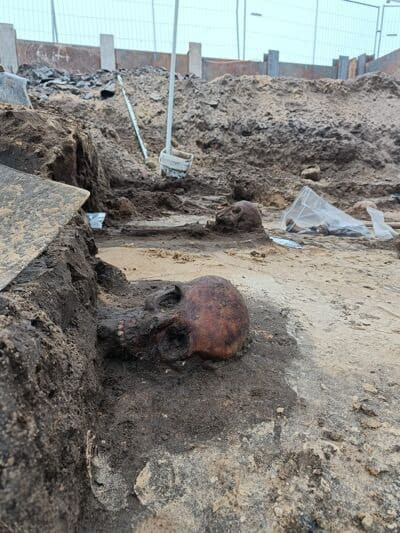
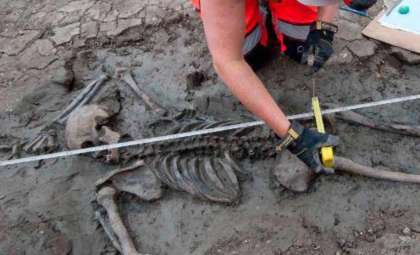
A standout find is a cemetery adjacent to the church foundations, featuring over 200 human skeletons arranged in orderly rows consistent with a community burial ground. The graves include men, women, and children, pointing to a civilian population predating the fortress and unrelated to later military occupants.
Insights from the Excavation
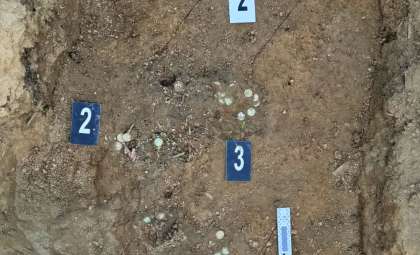
Surrounding soil layers have yielded thousands of smaller artifacts like Roman pottery fragments, metal tools, and broken household ceramics, indicating continuous habitation and daily life activities over centuries.
Roman-era objects hint that the site may have served as a settlement for over a millennium, likely benefiting from its location on trade routes along the Scheldt River, a vital corridor for commerce and transport.
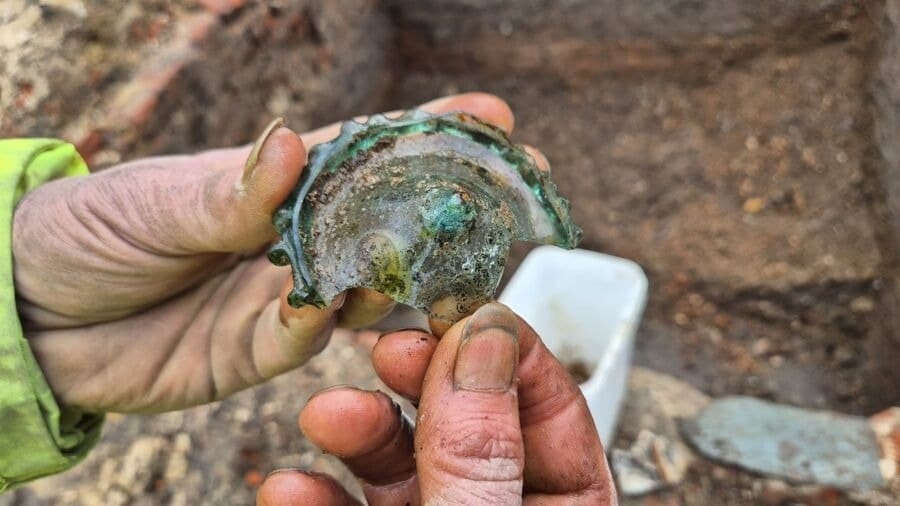
As digging progresses, archaeologists are cataloging successive historical layers stacked within mere meters. Each stratum represents unique episodes in Ghent’s evolving urban story, with deeper excavation revealing increasingly ancient periods.
The skeletal remains are undergoing bioarchaeological study to analyze bone chemistry and markers, offering a window into the medieval inhabitants’ diet, health, and lifestyles.
Within the Spanish Castle Walls
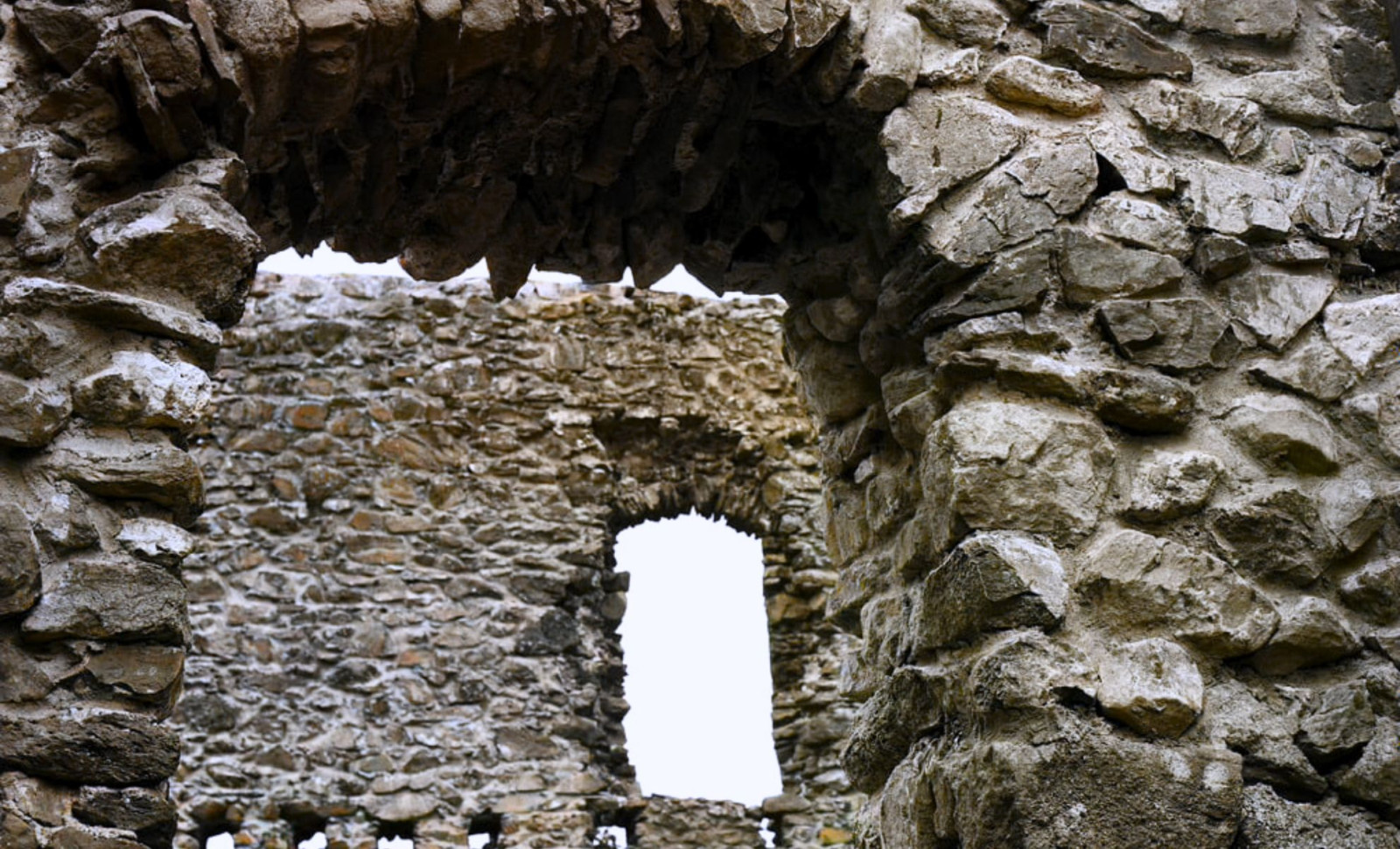
Above these ancient layers rose one of the region’s mightiest fortresses. Completed in 1540, the citadel was constructed to assert imperial control after the city’s tax uprising against Charles V. Its design featured robust limestone walls, pointed bastions, and a broad moat fed by the adjacent river.
Excavation has uncovered previously hidden sections of the fortress foundations, revealing that many stones were repurposed from the demolished abbey. Ornamental blocks and carved columns from Sint-Baafsabdij are embedded in the fortress's structure.
Using rubble from the razed neighborhood as construction filler expedited the fortress’s building process while recycling existing materials from the site.
Additionally, remnants of a wooden bridge that spanned the inner moat were found. Waterlogged conditions preserved these timber beams remarkably well for a structure dating back nearly 500 years.
- Categories:
- News






0 comments
Sign in to Comment