
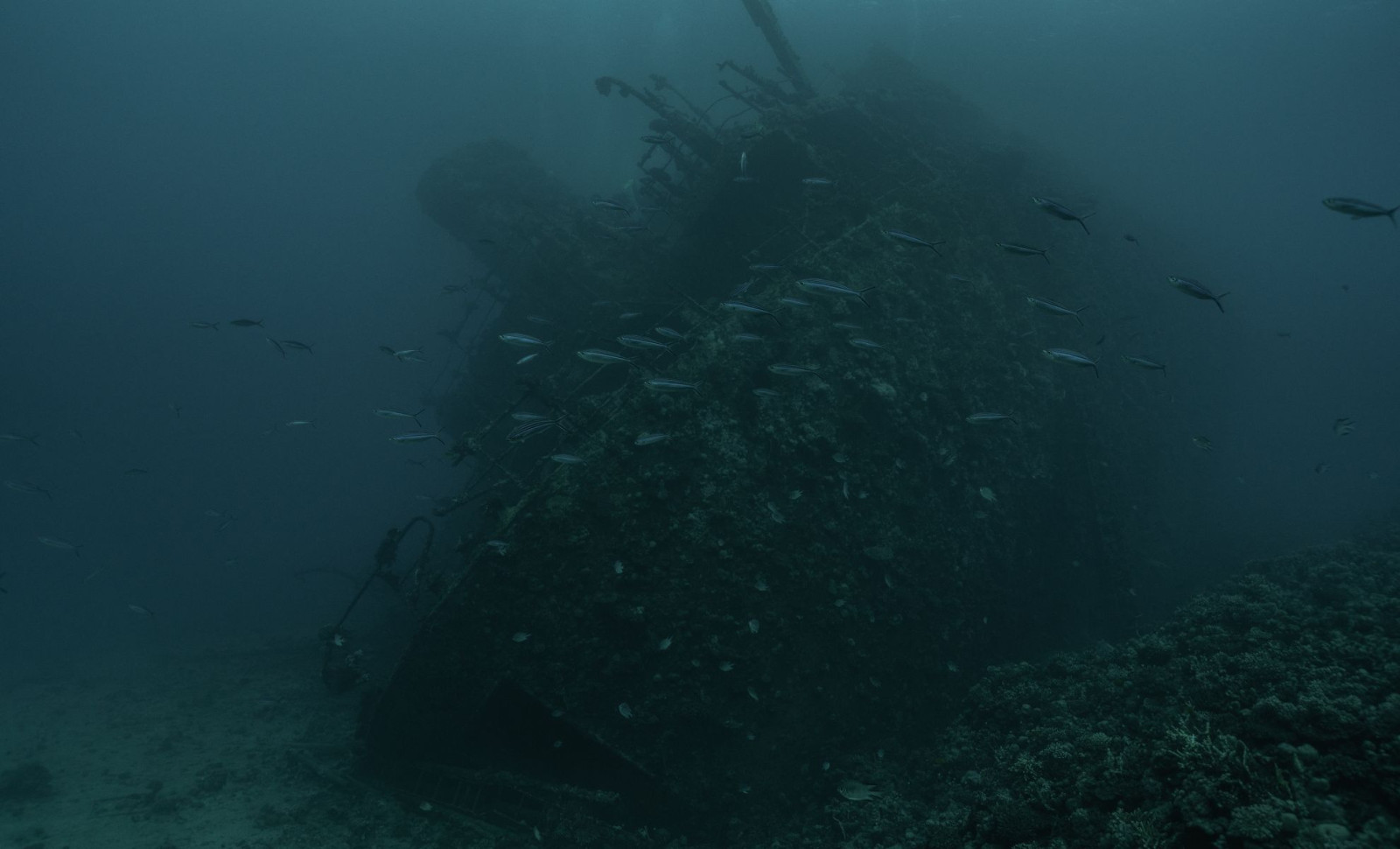
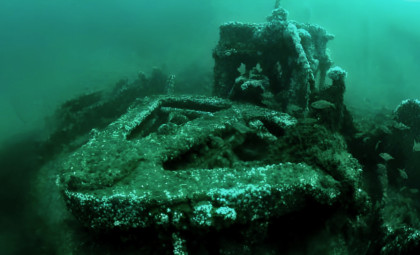
In 2015, marine archaeologists made an astonishing discovery of 22 ancient shipwrecks near Fourni, a modest Greek archipelago situated in the eastern Aegean Sea. This revelation, sparked by the accounts of local fishermen and sponge divers who recalled seeing ancient pottery encrusted with algae resting on the seabed, surpassed all initial expectations.
Fourni is a rocky cluster of islands located close to the Turkish shoreline. While it never developed famed urban centers or grand monuments, its position served as a vital maritime junction for millennia, facilitating passage for vessels moving along prominent Aegean trade routes running east-west and north-south. Countless ships navigated these waters, but many never reached their destinations.
Astonishing 22 Shipwrecks in Less Than Two Weeks
The underwater expedition near Fourni was a collaborative project between the Greek Ephorate of Underwater Antiquities and the RPM Nautical Foundation based in the United States. Directed by archaeologists George Koutsouflakis and Peter Campbell, the team originally anticipated uncovering a few shipwrecks.

Contrary to their expectations, the 13-day survey revealed an impressive 22 shipwrecks, dating from the Archaic era (700–480 B.C.) to the late medieval 16th century A.D., all previously undocumented by scientific research. The sites varied in depth, ranging from 180 feet underwater to as shallow as 10 feet below the surface.
“I think we were all shocked. We were expecting three or four wrecks, and we would have been very happy,” said Campbell, co-director of the project.”
Prior to this mission, around 180 ancient shipwreck sites had been officially recorded across Greek maritime territory, the fruit of many years of exploration. These recent 22 discoveries alone represent a notable 12 percent increase in known wrecks around Greece, despite the team having explored only about 5 percent of the coastline.
Tracing Fourni’s Maritime Legacy Through Lost Vessels
According to a press release by the University of Southampton, although Fourni lacked prominent urban development, its placement at key seaways made it indispensable for ancient ships crossing the Aegean Sea. Koutsouflakis noted that while historical documents from the Roman era scarcely mention Fourni, the discovery that about half of the wrecks originate from this late Roman period was especially surprising.
These ships' voyages persisted even after historical records ceased. As Koutsouflakis, Greek lead of the survey, explained:
“By the late Roman period, we don’t really know anything about the island,” adding that, “Fourni is hardly mentioned in the sources of that time. You see that the shipwrecks tell us a more nuanced story. The island must have maintained importance as a harbor site.”
Unique Cargoes Uncovered Beneath the Waves
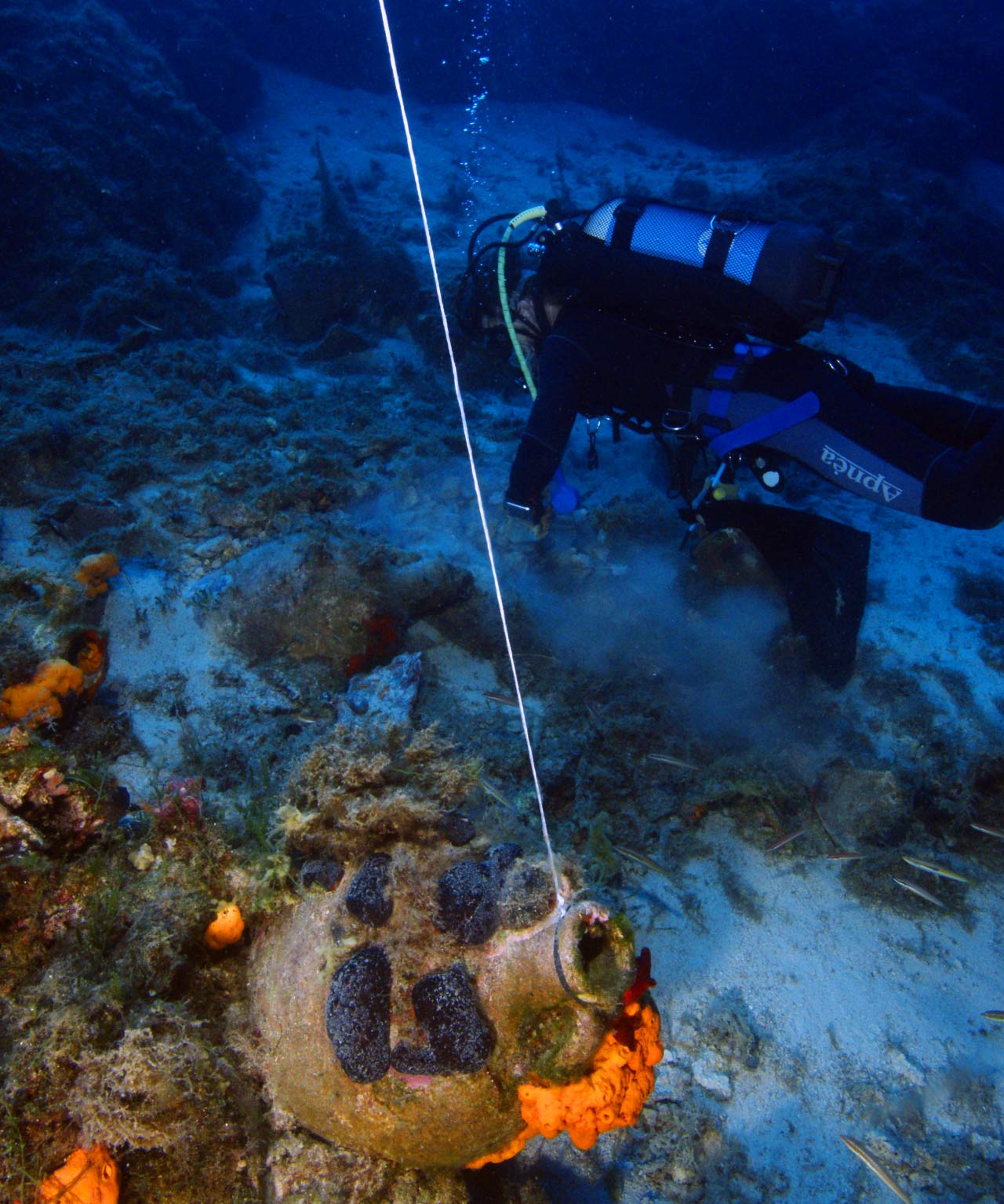
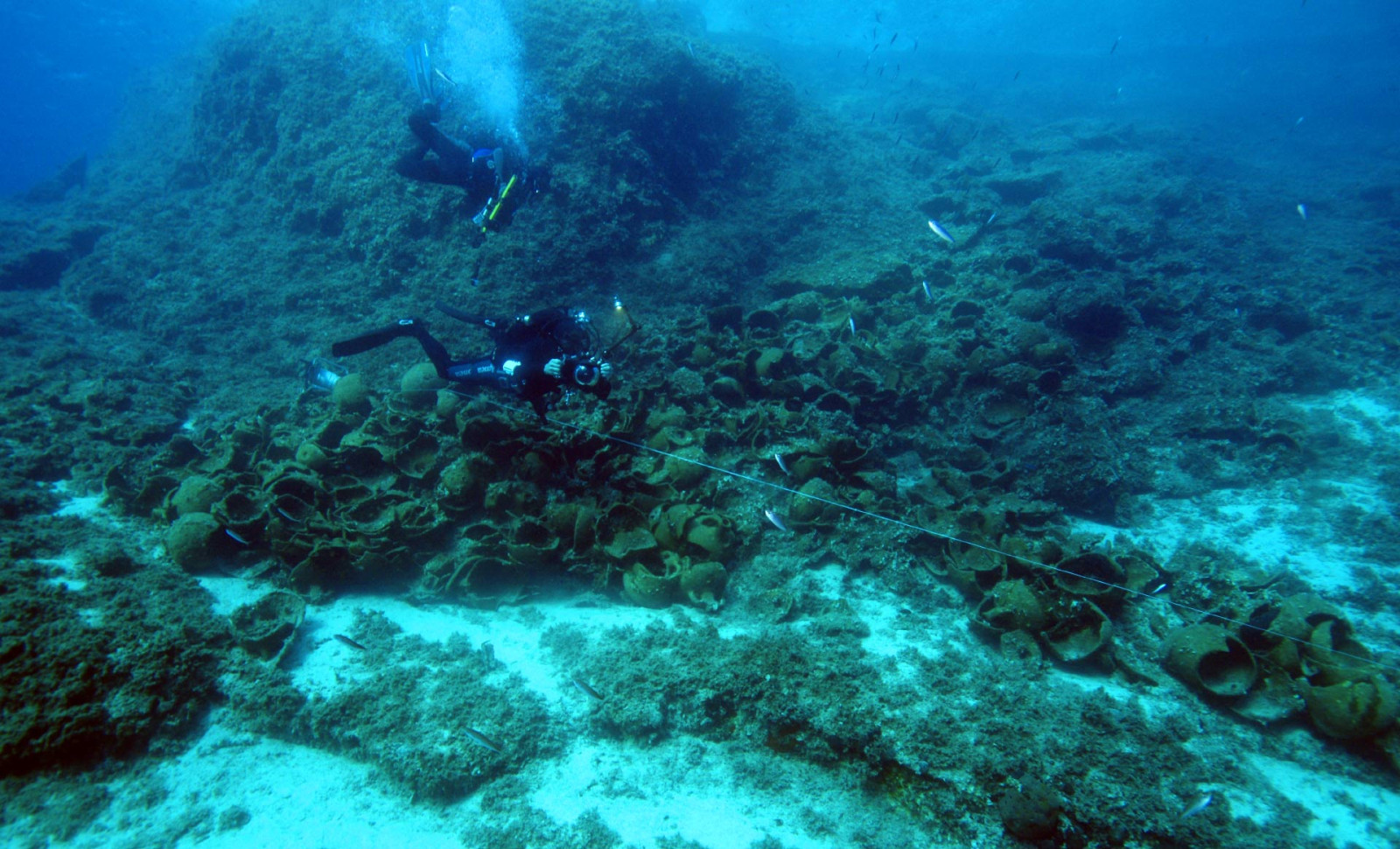
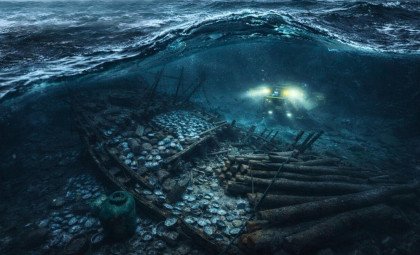
Though much of the ships themselves have deteriorated, their cargoes remain remarkably intact, spread across the ocean floor. Most wrecks contained amphoras—ancient ceramic vessels that transported commodities such as olive oil, wine, and fish sauce. These artifacts near sinking sites reveal the locations where the vessels met their fate. Describing this, Campbell said:
“You you can see near the point of impact where the ships must have crashed, and then you have this scatter pile raining down the underwater slope of the cliff,” he stated, “These aren’t the nice ship-shaped piles of amphoras that you sometimes get in ships that wreck far out at sea. We probably do have some of those, but they’re probably farther away from shore.”
Among the 22 shipwrecks, three are particularly notable for carrying cargoes never before recorded in Mediterranean maritime archaeology, a significant claim considering previous extensive research in these waters.
“What is astonishing is not only the number of the shipwrecks, but also the diversity of the cargos, some of which have been found for first time,” added team member Dr. Koutsouflakis. “At least three of the sites have cargos that have not been found previously on shipwrecks.”
One wreck held a collection of Archaic-era pottery likely originating from nearby Samos, presumably en route to Cyprus before the vessel sank near shore. Another contained unusually large amphoras from the Black Sea, dating to the 2nd century A.D. The third featured amphoras dubbed “Sinopian carrots,” named for their distinctive carrot-shaped bases and sourced from Sinop, a Turkish Black Sea town.
Samples collected from these wrecks have been sent to a lab in Athens for detailed examination to determine the exact nature of the goods these ships were freighted with when they were lost to the waters around Fourni.
- Categories:
- News





0 comments
Sign in to Comment