
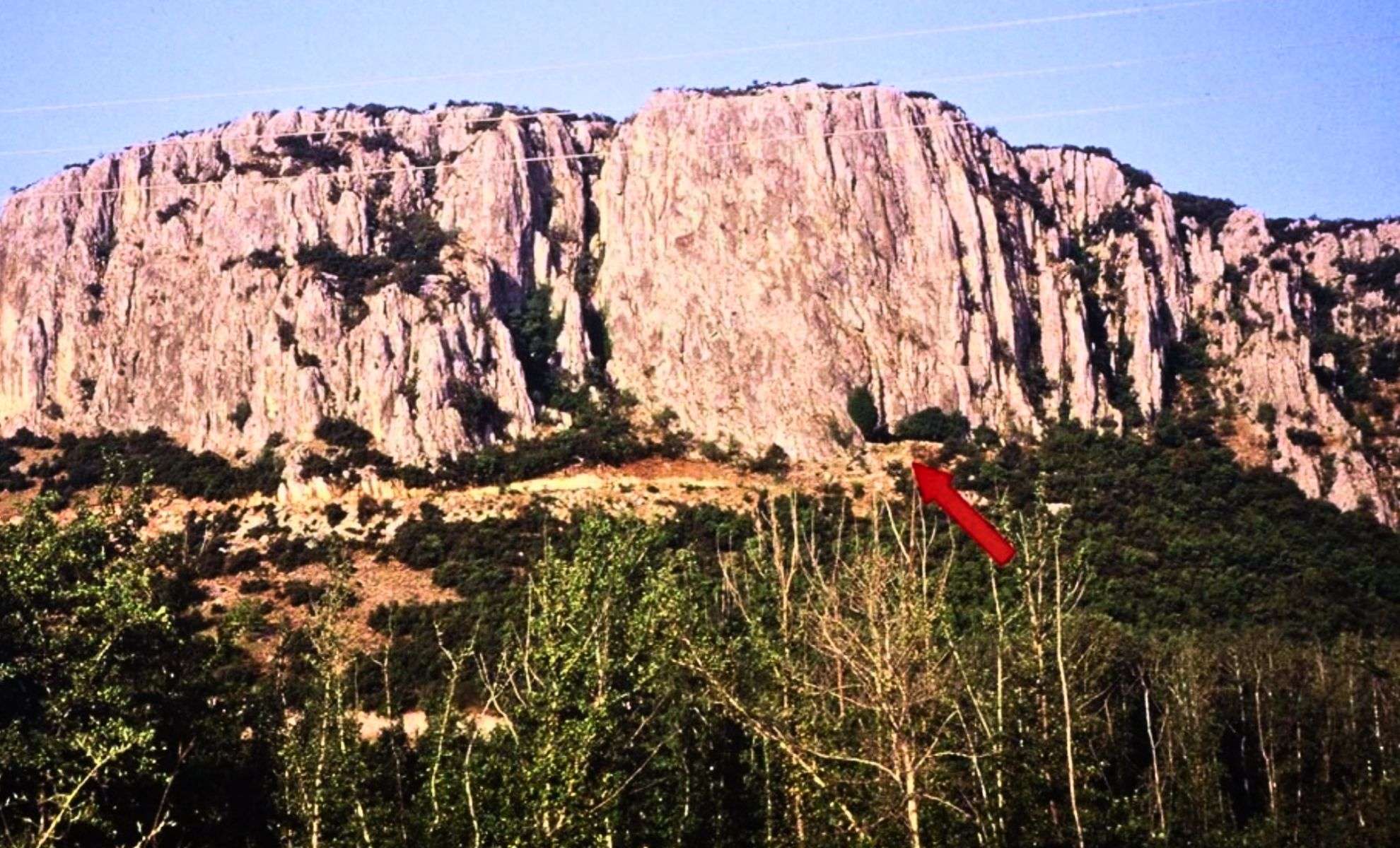
Deep within Theopetra Cave in central Greece, researchers have uncovered what may be the oldest standing man-made structure known to date. This stone wall, believed to be more than 23,000 years old, predates Egypt's Great Pyramid of Giza by over 17,000 years, challenging previous views on the beginnings of architectural design and how early humans adapted to harsh climates.
The discovery was initially detailed by archaeologist Dr Catherine Kyparissi-Apostolika, who has been leading digs at the cave since 1987 through Greece's Ephorate of Palaeoanthropology and Speleology. Built during the Last Glacial Maximum—a frigid era when much of Europe was engulfed in ice—this structure is thought to have partially closed off the cave’s entrance, providing refuge against severe weather conditions.
“The findings indicate an early form of purposeful architectural effort,” Dr Kyparissi-Apostolika stated in an official report. “It reveals that Upper Paleolithic humans had a more advanced ability to modify their surroundings than once believed.”

A Site Documenting 130,000 Years of Human Activity
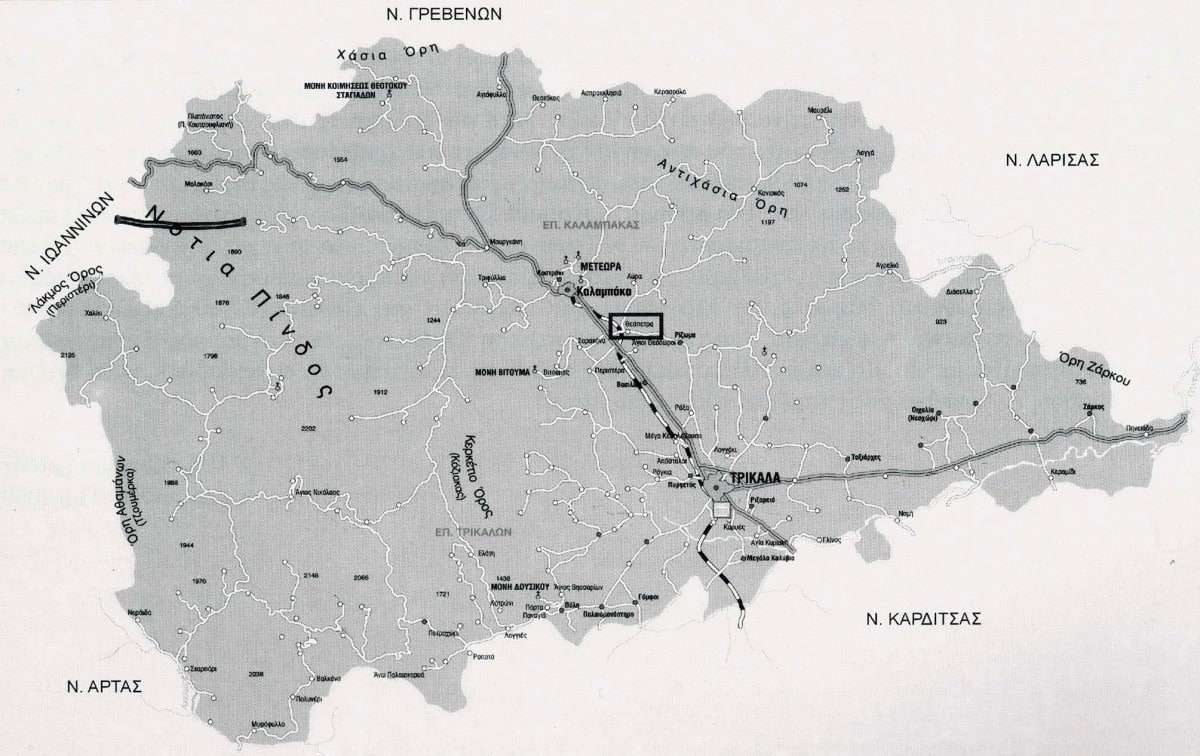
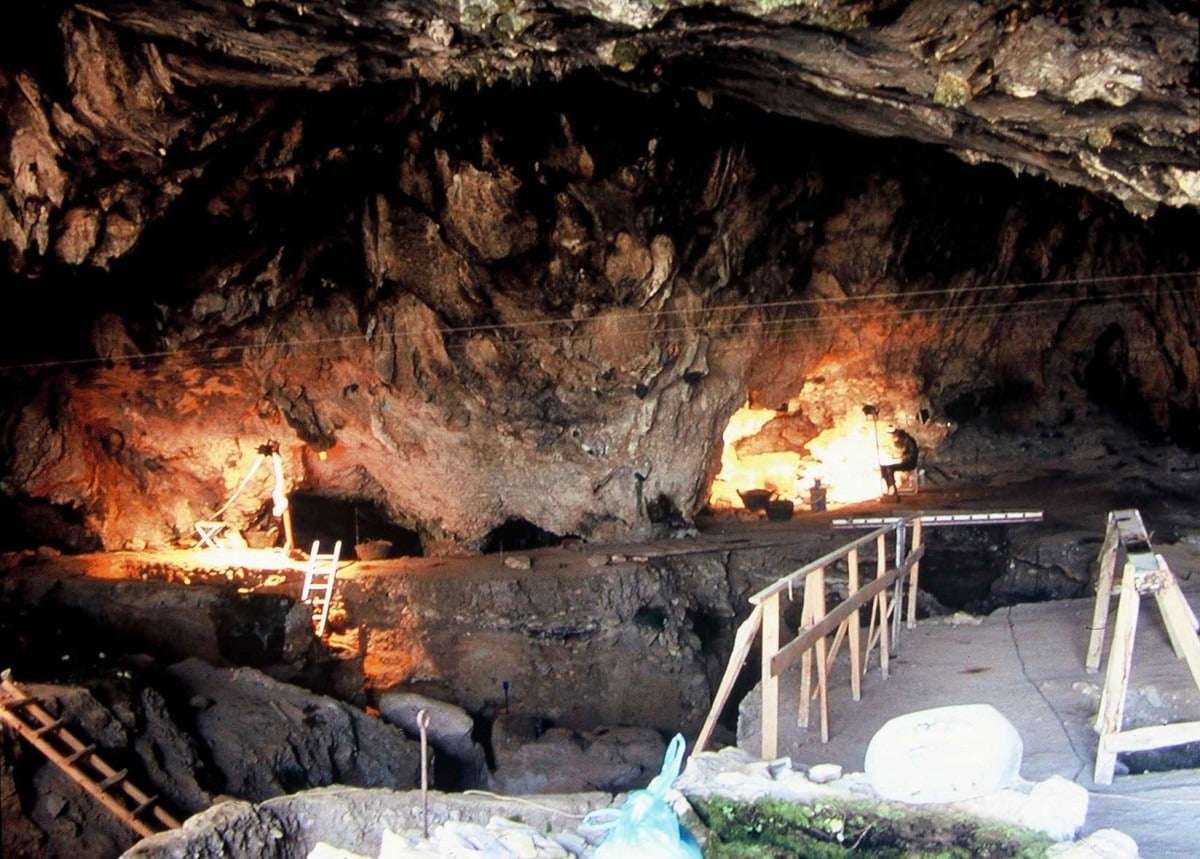
Theopetra Cave, situated close to Kalambaka in Thessaly, stands out as a treasure trove of continuous prehistoric occupation, spanning approximately 130,000 years. Its stratified deposits capture a timeline from the Middle Paleolithic through to the Neolithic epoch.
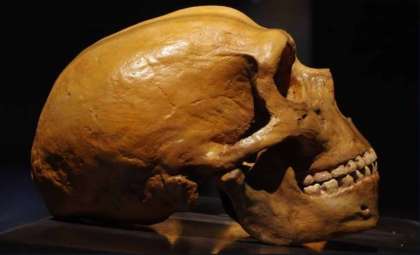
Layers of sediment extending up to six meters deep contain a variety of artifacts such as stone tools, hearth remains, shell decorations, and astonishingly, children’s footprints potentially dating back as far as 135,000 years, likely left by Neanderthals (Homo sapiens neanderthalensis). Using methods like photogrammetry and laser scanning, scientists determined these footprints were made by young children approximately four or five years old.
A 2007 thermoluminescence dating study from CNRS confirmed human presence at the site between 130,000 and 140,000 years ago, highlighting an exceptionally prolonged sequence of human habitation.
Adapting Through Climate and Early Farming
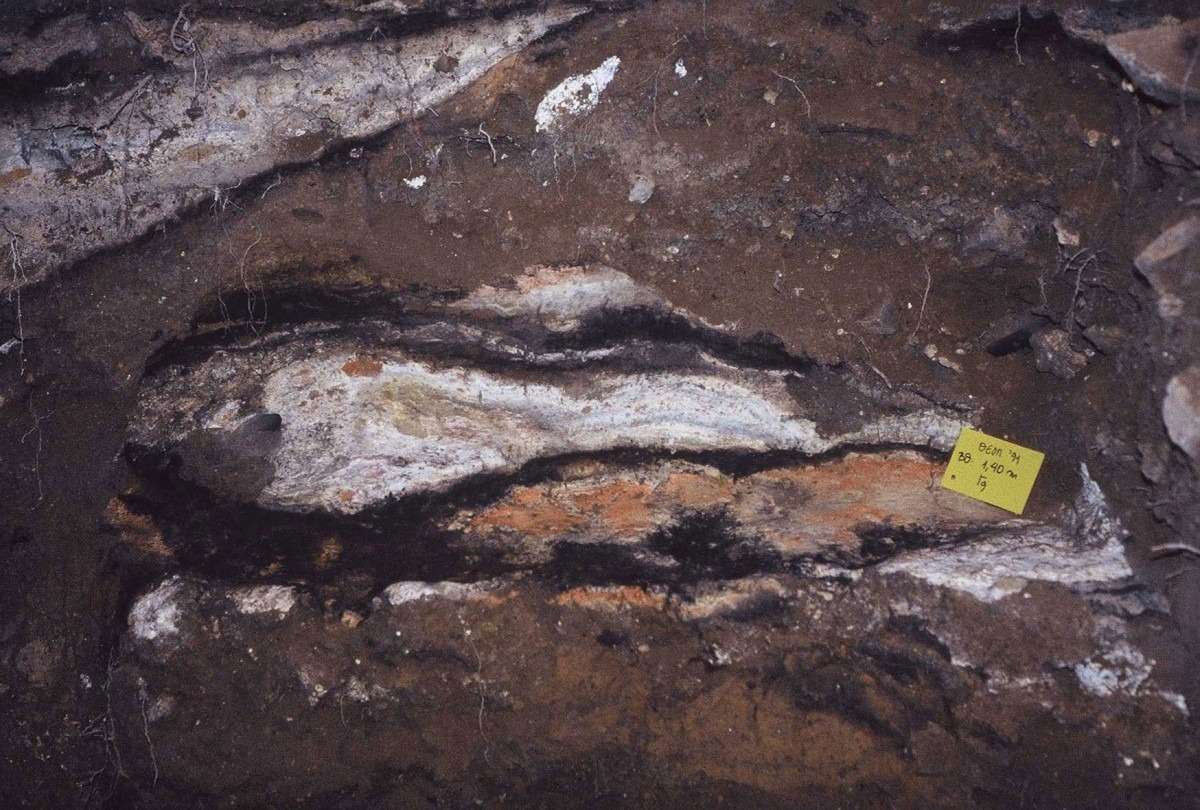
Theopetra Cave serves as a detailed record of human resilience to climate changes. As ice ages came and went, inhabitants adjusted their lifestyles, including shifts in diet and technology. Advanced sediment analyses conducted alongside researchers from the Weizmann Institute of Science and Harvard University uncovered evidence of multiple cold and warm cycles, plus a significant flooding event leaving sediment deposits two meters above the current cave floor.
Constructed from uncut stones bonded with clay, the stone wall was designed to block chilly airflow into the cave. Dr Kyparissi-Apostolika describes this as an early example of architectural development, predating the rise of agricultural communities.
Later archaeological layers reveal a transition toward food production with remains of barley, wheat, olives, and animal protein, alongside primitive experiments with ceramics during the Mesolithic. Clay objects such as cylinders found near ancient fire pits, dating back over 10,000 years, hint at burgeoning material knowledge well before the advent of Neolithic pottery.
A Nexus of Continuous Human Occupation
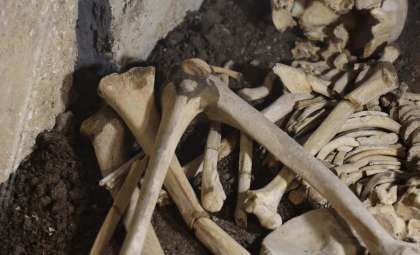
The cave has yielded human skeletal remains spanning from the Upper Paleolithic to the Mesolithic. Among them, a burial roughly 15,000 years old ranks as one of the region’s earliest modern human internments. Genetic studies on bones from varied eras indicate a long-standing occupation, suggesting uninterrupted human presence over thousands of years.
Strikingly, the top archaeological layers reveal attributes of early Neolithic culture, including animal pens, designated burial grounds, and food storage solutions—marking a gradual evolution towards organized community living. The cave also functioned as a sanctuary during periods of instability.
Publications in the Radiocarbon Journal and Greece’s national archaeological records affirm the site's immense value in documenting pre-agricultural social dynamics in southern Europe.
Transforming Our Understanding of Early Human Construction
While famous ancient sites like Göbekli Tepe (~11,000 years old) and Stonehenge (~5,000 years old) often dominate narratives about early monumental architecture and ritual, Theopetra’s modest stone wall presents a significant paradigm shift.
This discovery reshapes architectural history and challenges the timeline for when humans began deliberately modifying their surroundings to enhance comfort and survival. Sealing the cave against chilling winds may seem modest, but it reflects a profound cognitive leap towards future-oriented planning, stable dwellings, and community formation.
Theopetra remains a cornerstone for multidisciplinary archaeological research, bridging geology, anthropology, climate science, and genetics. The site is now preserved with partial public access, and select finds are exhibited in nearby museums.
- Categories:
- News






0 comments
Sign in to Comment