
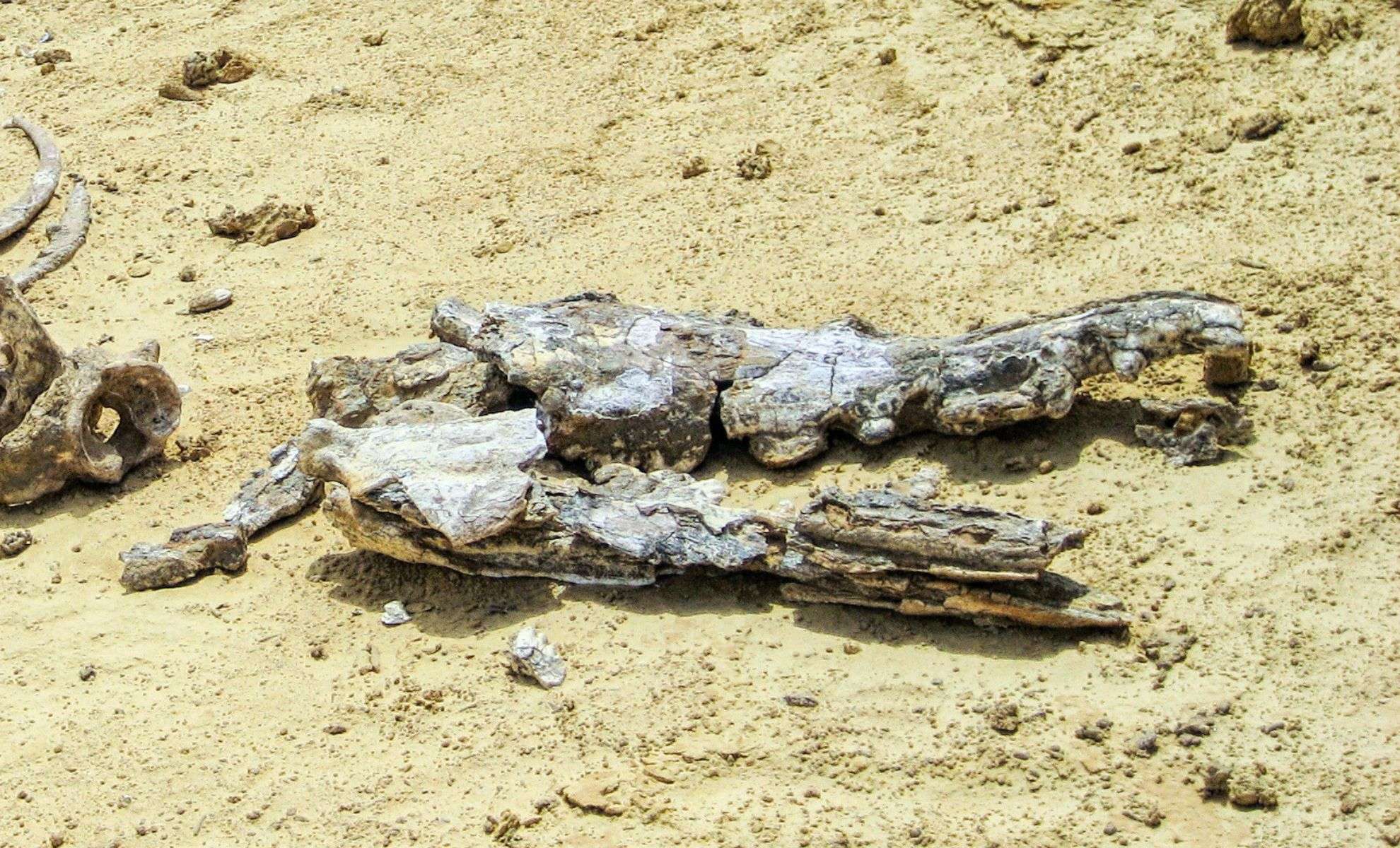
Researchers in southern Italy have uncovered the most extensive blue whale fossil ever documented, prompting a reevaluation of when Earth's largest marine mammals first appeared. Published in the Biology Letters, this discovery indicates that these ocean giants existed nearly 1.5 million years earlier than previously estimated, reshaping scientific understanding of whale evolution.
A Serendipitous Find by a Local Farmer
In 2006, a farmer near Matera, Italy, spotted large bones emerging from the lake he used for irrigation. These were identified as vertebrae from a colossal whale. It took the farmer three years to reduce the water level enough without harming his crops, allowing paleontologists to excavate the specimen safely.
Led by Giovanni Bianucci of the University of Pisa, the team revealed a nearly complete skeleton stretching about 85 feet. Though slightly shorter than the largest living blue whales, which can reach 100 feet, the fossil's considerable age underpins its scientific significance.

Revising the Timeline of Whale Gigantism
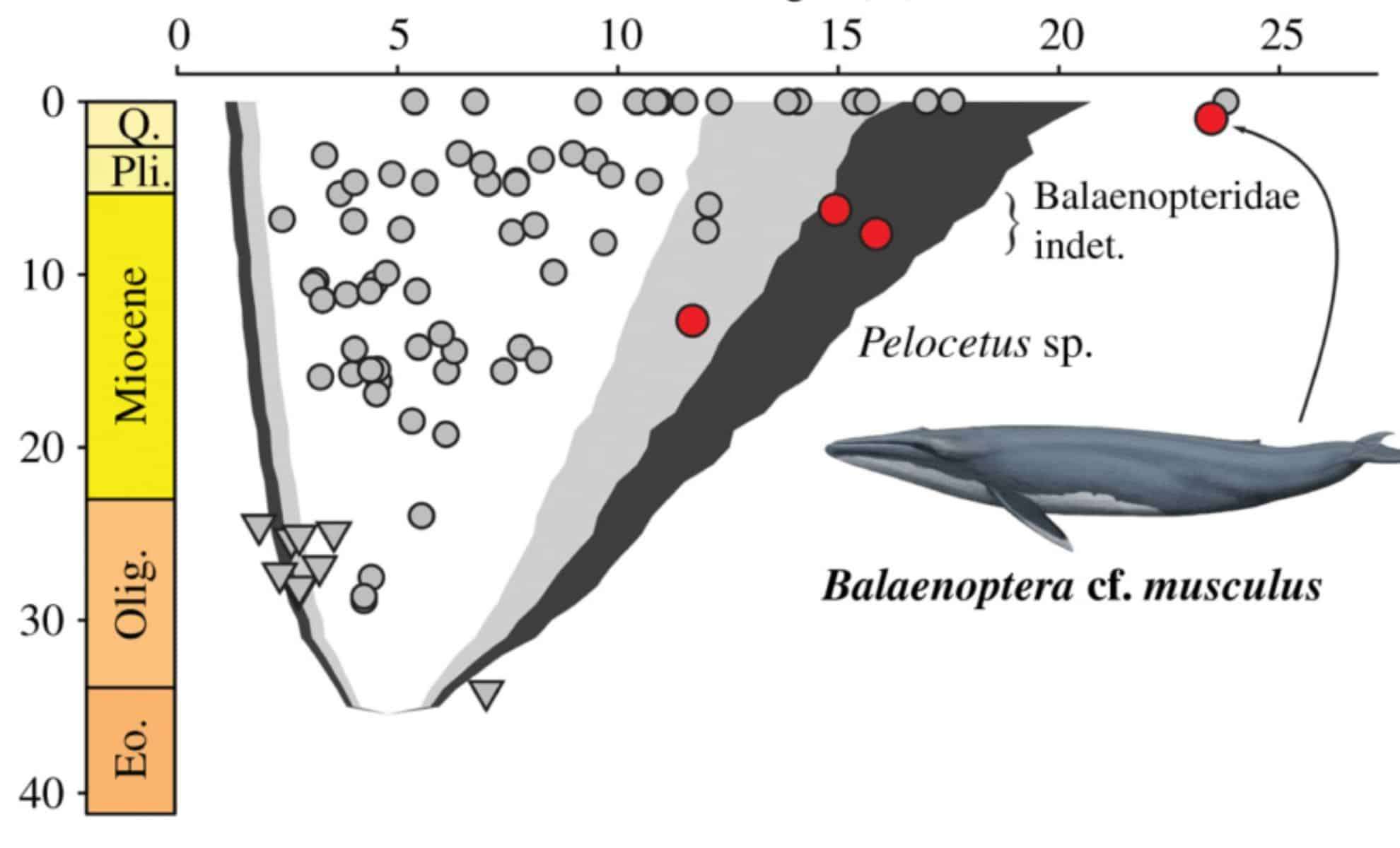
Previously, paleontologists thought that baleen whales became gigantic only about 300,000 years ago, based on the then-available fossil evidence. However, this Italian fossil, much older than anticipated, supports a theory of gradual size increase over millions of years rather than abrupt growth.
"The existence of such an enormous whale at that ancient time suggests gigantism in whales developed over an extended period," said Felix Marx, a paleontologist at the Royal Belgian Institute of Natural Sciences and co-author of the paper. "Size evolution in species is not an overnight process."
Incorporating this fossil into current evolutionary datasets pushes back the timeline, indicating that significant whale size increases may have begun at least 3.6 million years ago, possibly dating back six million years. This challenges earlier models and suggests a more intricate evolutionary path.
A Rare Window into Early Blue Whales
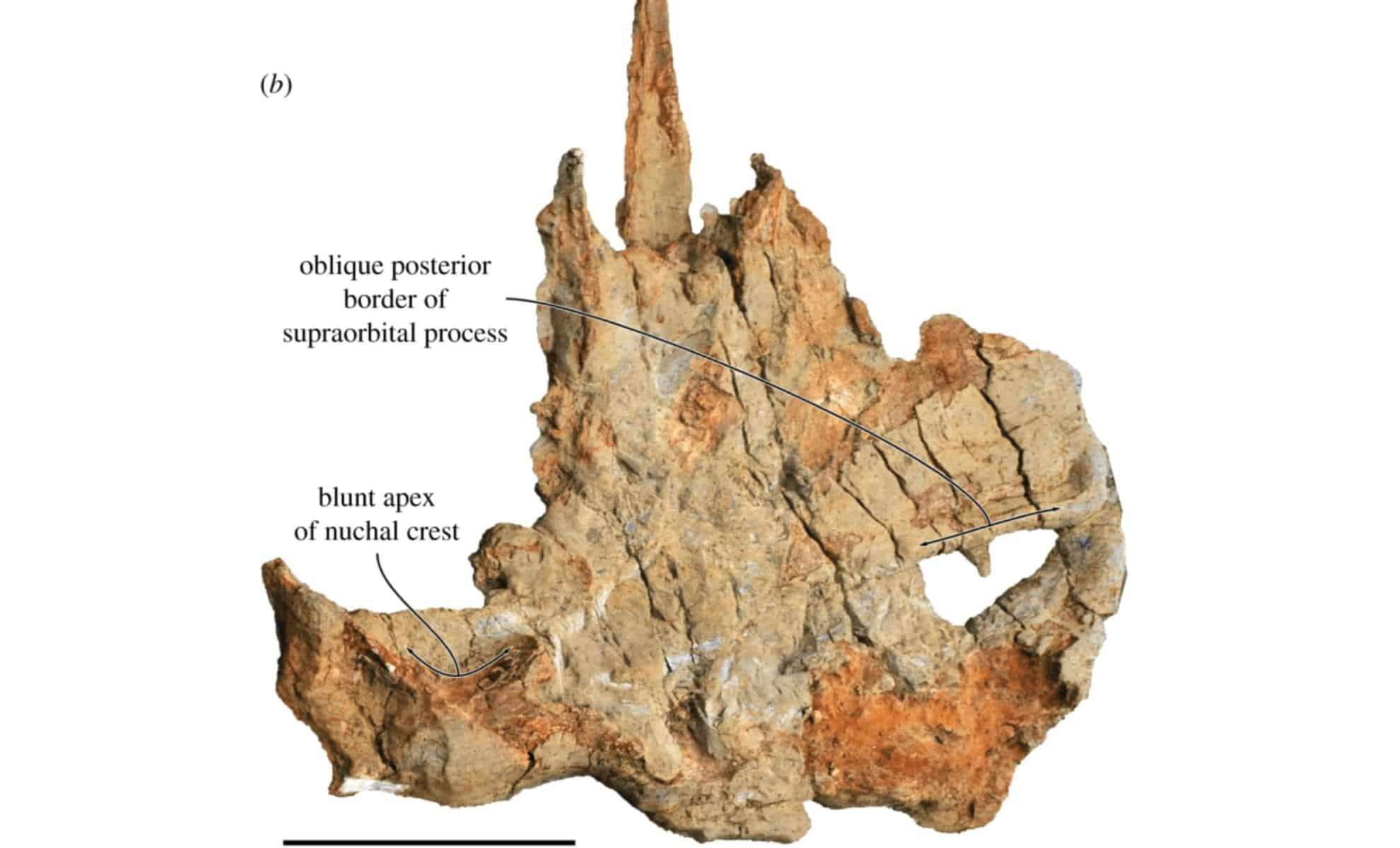
Fossils older than 2.5 million years are uncommon due to sediment coverage under modern seabeds, making the Matera discovery exceptionally valuable. The remarkably intact skull offers critical insights into how these creatures achieved such immense proportions over time.
The finding also aligns with the idea that environmental shifts during the Pleistocene, including ice age cycles and sea level changes, influenced whale evolution. Each new discovery helps clarify how changing habitats shaped these majestic animals' growth.
Future Prospects in Whale Paleontology
Cheng-Hsiu Tsai of National Taiwan University, who discovered what may be the second-largest whale fossil known, expressed no surprise at the Italian find. “Honestly, this fossil is expected,” he said, anticipating that even larger and older specimens will come to light.
Meanwhile, Marx is further investigating in Peru, where several massive fossils await examination. Confirmation of his hypotheses there could provide compelling evidence that baleen whales gradually attained their impressive sizes over millions of years instead of in sudden evolutionary bursts.
- Categories:
- News










0 comments
Sign in to Comment