
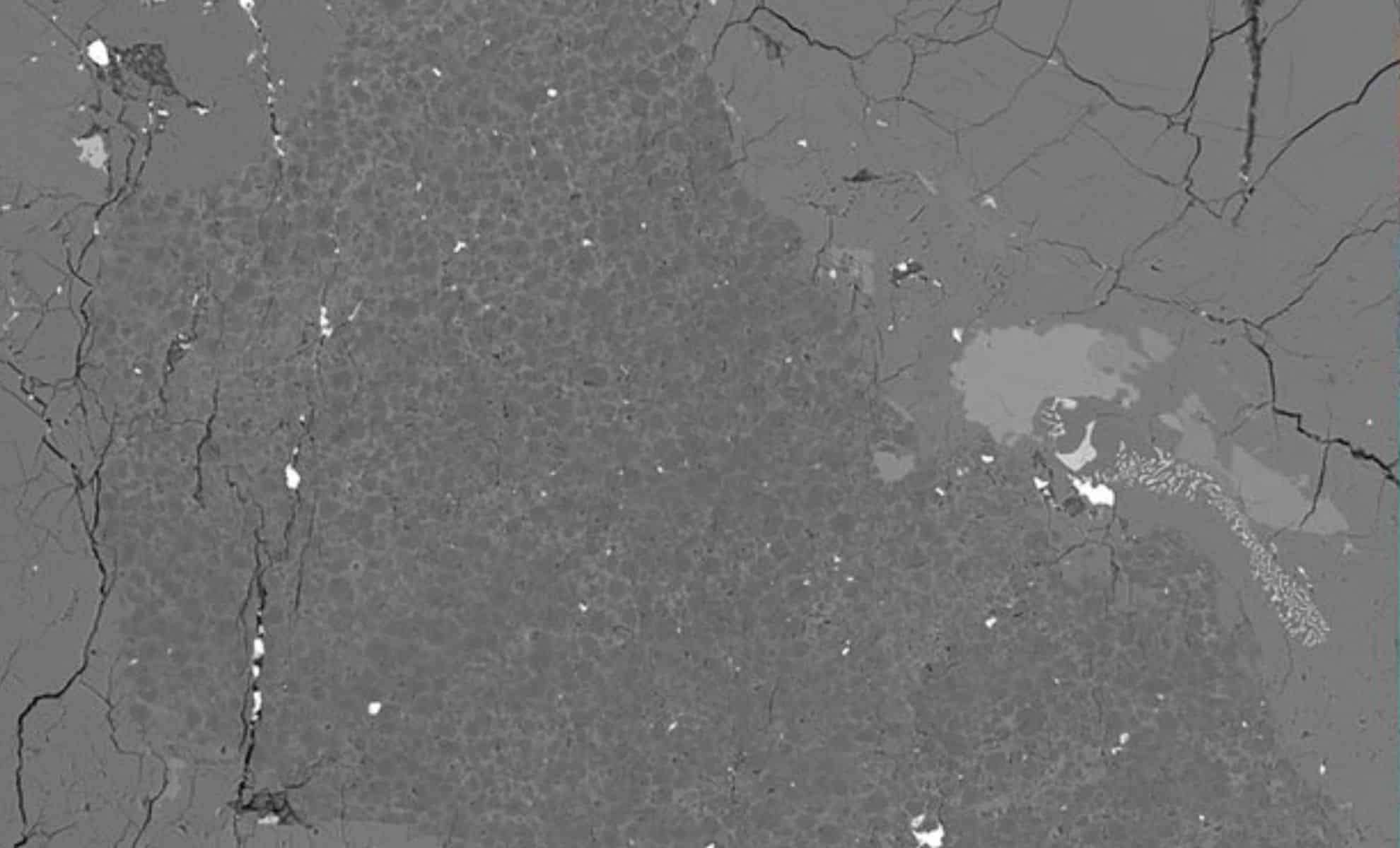
A recent investigation Communications Earth & Environment introduces new evidence that contests established ideas on the birth of our solar system. Fragments from the meteorite Northwest Africa 12264 have unveiled fresh details about how and when planets formed, hinting that inner and outer planets emerged in tandem rather than sequentially. This revelation stems from research by Dr. Ben Rider-Stokes and his team at The Open University in the UK, whose analysis could transform our perspective on early solar system development and influence planet formation theories beyond our star system.
New Perspectives on Planetary Origins Influenced by Meteorite Analysis
Conventional wisdom held that planets closer to the Sun, like Earth and Mars, formed earlier compared to distant giants such as Jupiter and Saturn. This was largely attributed to a faster formation process for rocky, dry planets inside the solar system, while the abundant water and ice in the outer reaches were thought to slow down their internal melting and differentiation. But after examining the 50-gram Northwest Africa 12264 meteorite, acquired in Morocco in 2018, researchers found evidence indicating that inner and outer planets may have originated nearly simultaneously, about 4.564 billion years ago.
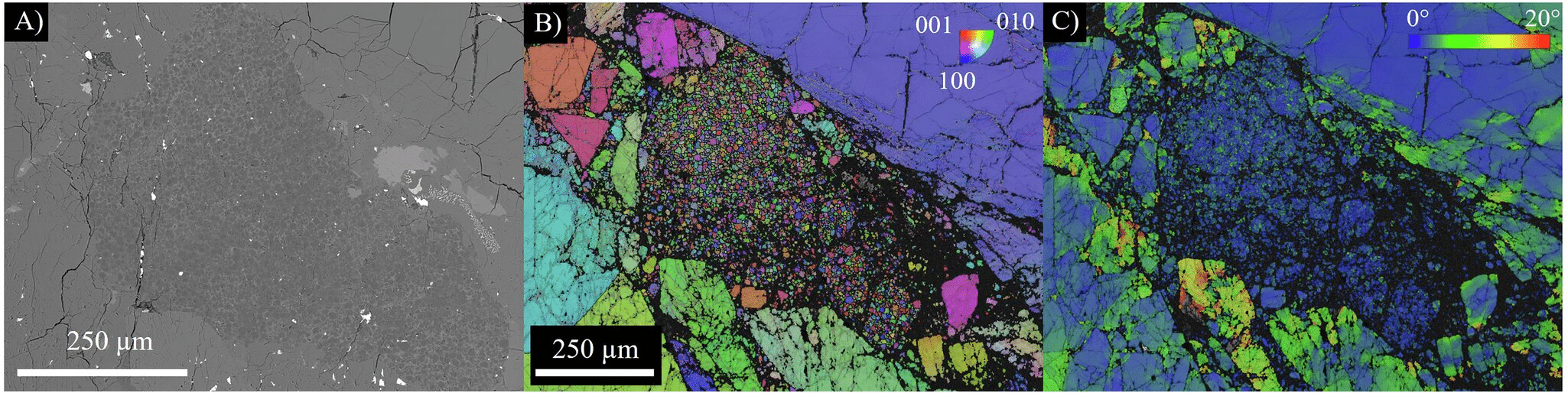
By studying the meteorite’s composition, the team confirmed its origin in the outer solar system through chromium and oxygen isotope ratios, which follow specific patterns across the solar system. Remarkably, the meteorite’s age, established using lead isotope analysis, closely matches that of basalt samples from inner solar system planetary crusts. This synchronization suggests that planets formed beyond the asteroid belt developed concurrently with inner planets, contradicting traditional staggered formation timelines.

Broader Consequences for Understanding Solar System Formation
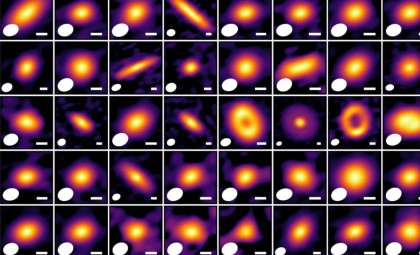
These discoveries have extensive implications that go beyond simply revising when planets formed in our solar system. Dr. Rider-Stokes notes that the findings "align well with observations of exoplanetary disks, which suggest swift planetesimal formation across various distances." This points to planet formation as a more rapid and wide-reaching phenomenon, potentially uniform across the solar system. If outer planets like those beyond Jupiter formed as quickly as planets nearer the Sun, it implies a more consistent environment for early planetary development. This insight could reshape models of planetary system evolution, both locally and in distant star systems.
A key factor in this paradigm shift is the meteorite’s age coinciding with the timing of basalt formation in inner planets, rather than lagging as previously thought. This indicates that planetary differentiation—the segregation of planets into core, mantle, and crust—occurred roughly simultaneously throughout the solar system. The isotopic data challenge the notion that water- and ice-rich outer planets formed more slowly, suggesting a unified timeline of planet formation regardless of location.
- Categories:
- News





0 comments
Sign in to Comment