
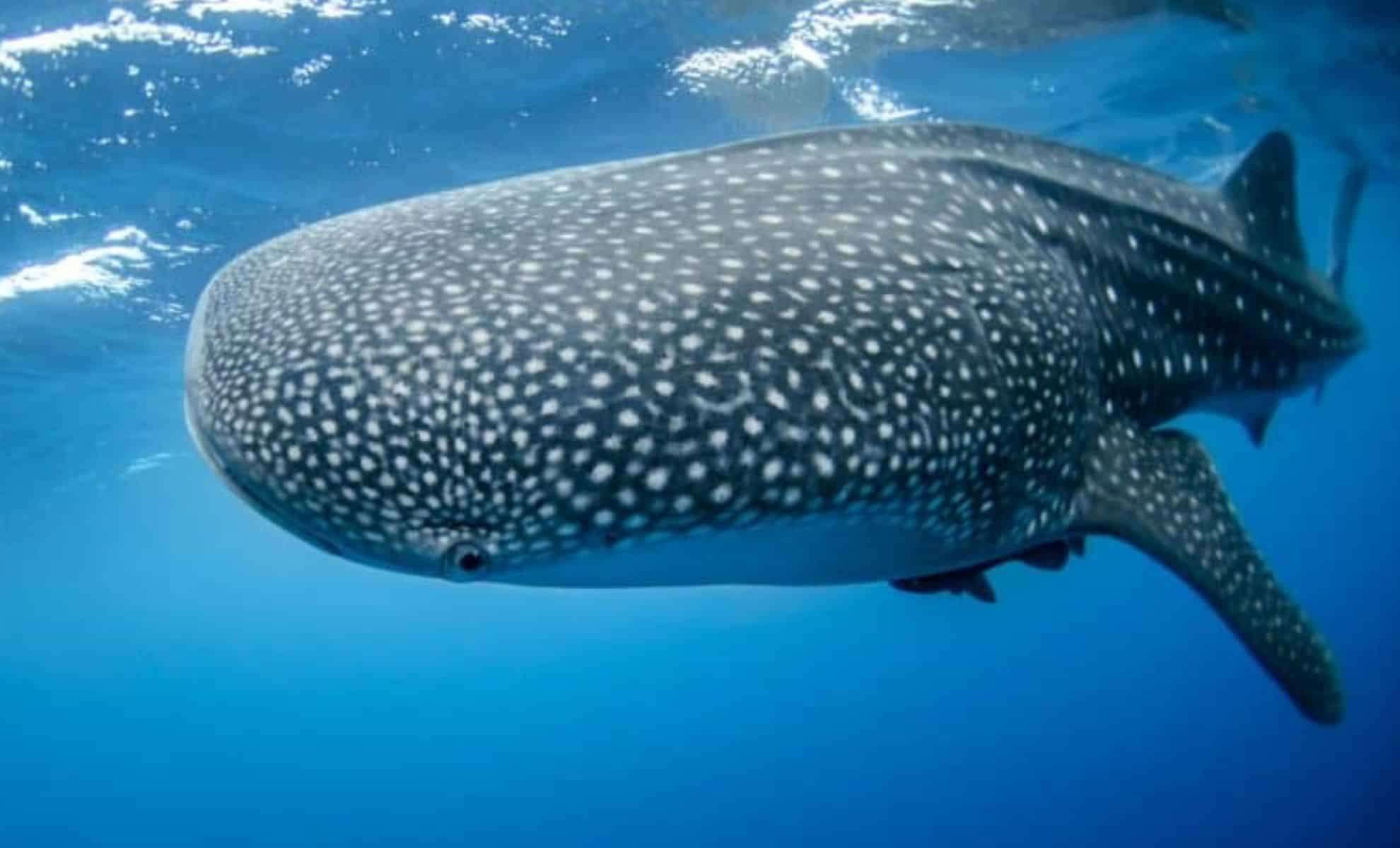
The vast ocean conceals some of the planet’s most extraordinary life forms, with a recent sighting that stunned marine experts: an enormous whale shark, the largest fish species, measuring an astonishing 60 feet was documented in the Pacific Ocean. As reported by Animals Around the Globe, this specimen surpasses typical whale shark sizes, which generally range from 18 to 33 feet. This remarkable observation offers new perspectives for marine scientists and underscores the urgent need to bolster conservation efforts for these remarkable creatures.
Understanding the Whale Shark: Ocean’s Largest Gentle Fish
Although whale sharks boast enormous dimensions, their temperament is notably peaceful. These giants, recognized as the largest fish on Earth, often grow beyond 40 feet. They feed by straining plankton, small fish, and krill from seawater, using their wide mouths as natural filters. Their calm nature combined with their feeding method has made them beloved subjects for divers and ocean admirers wishing to witness their serene presence underwater.
Whale sharks distinguish themselves not only by their impressive size but also by their tranquil behavior, unlike many predatory shark species. They pose no danger to humans, moving slowly through warm and tropical waters while subsisting mainly on microscopic organisms. This filter-feeding habit plays a vital role in sustaining oceanic ecosystems by helping to control plankton levels.

Unprecedented Size Challenges Known Limits
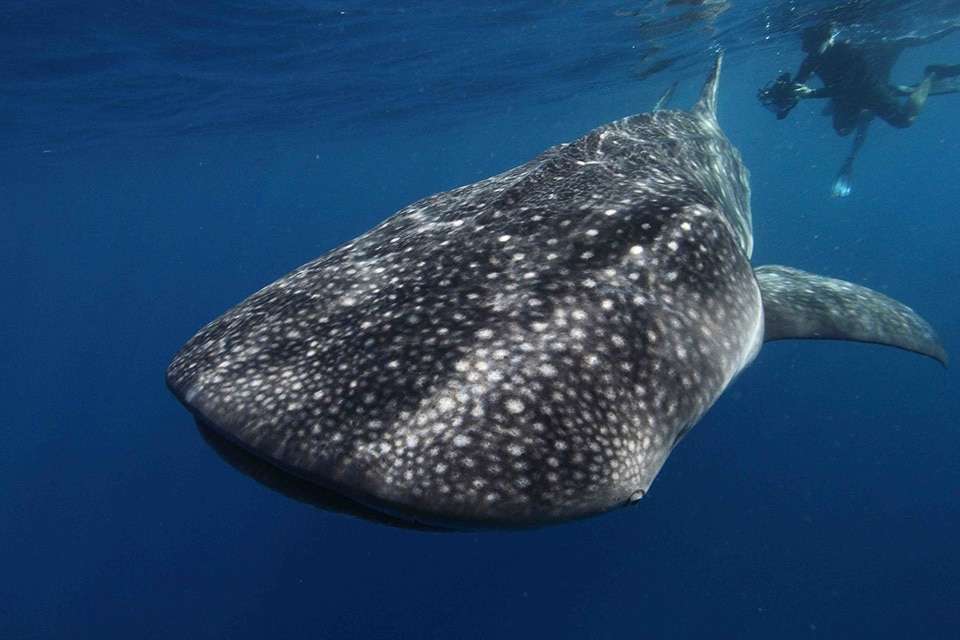
The discovery of a 60-foot whale shark in the Pacific marks a milestone in marine research. Typically, whale sharks measure between 18 to 33 feet, rarely exceeding 40 feet. This newly recorded giant far exceeds the common size range, making it a rare and extraordinary case. Its exceptional length highlights how much remains to be explored about these ocean giants.
This extraordinary specimen was spotted in coastal Pacific waters, a region where whale sharks are commonly found. The sighting presents a unique chance to deepen scientific understanding of their behavior, migratory routes, and life cycle. The immense size serves as a powerful reminder of the mysteries still hidden within the ocean’s depths.
Ecological Significance of Whale Sharks
Whale sharks contribute importantly to the stability of marine ecosystems. By feeding on large amounts of plankton and small sea creatures, they help regulate populations that, if unchecked, could disrupt the balance of marine food chains. Their filter-feeding keeps these populations in check, promoting healthy ocean dynamics.
These sharks migrate along routes that bring them close to coral reefs, where balanced plankton levels support reef health. Their feeding activities indirectly safeguard these sensitive habitats. Moreover, studying whale sharks helps scientists monitor ocean currents, understand lifecycle dynamics, and assess environmental changes linked to climate fluctuations.
Migration Habits and Conservation Concerns
Whale sharks undertake extensive migrations spanning thousands of miles across oceans, yet many aspects of their journeys remain a mystery. Advances in satellite tagging have revealed long-distance travels from locations as diverse as the Philippines to the Gulf of Mexico and from the Maldives to Western Australia.
Despite their size and peaceful nature, whale sharks are threatened by human activities including overfishing, habitat loss, and pollution. Their slow reproductive rates limit population recovery, and incidental catches in fishing gear further jeopardize their survival.
Efforts to Safeguard Whale Sharks
Conservation initiatives emphasize protecting whale sharks through establishing marine reserves and implementing fishing regulations that reduce accidental harm. Public education campaigns are also crucial to raise awareness about the importance of preserving these gentle giants and their environments.
Modern technology, such as satellite tracking and underwater monitoring, is aiding researchers in gathering detailed data on whale shark behavior and migration, which proves essential for effective protection strategies. These innovations support ongoing efforts to ensure whale sharks continue thriving in the world’s oceans for future generations.
- Categories:
- News












0 comments
Sign in to Comment