
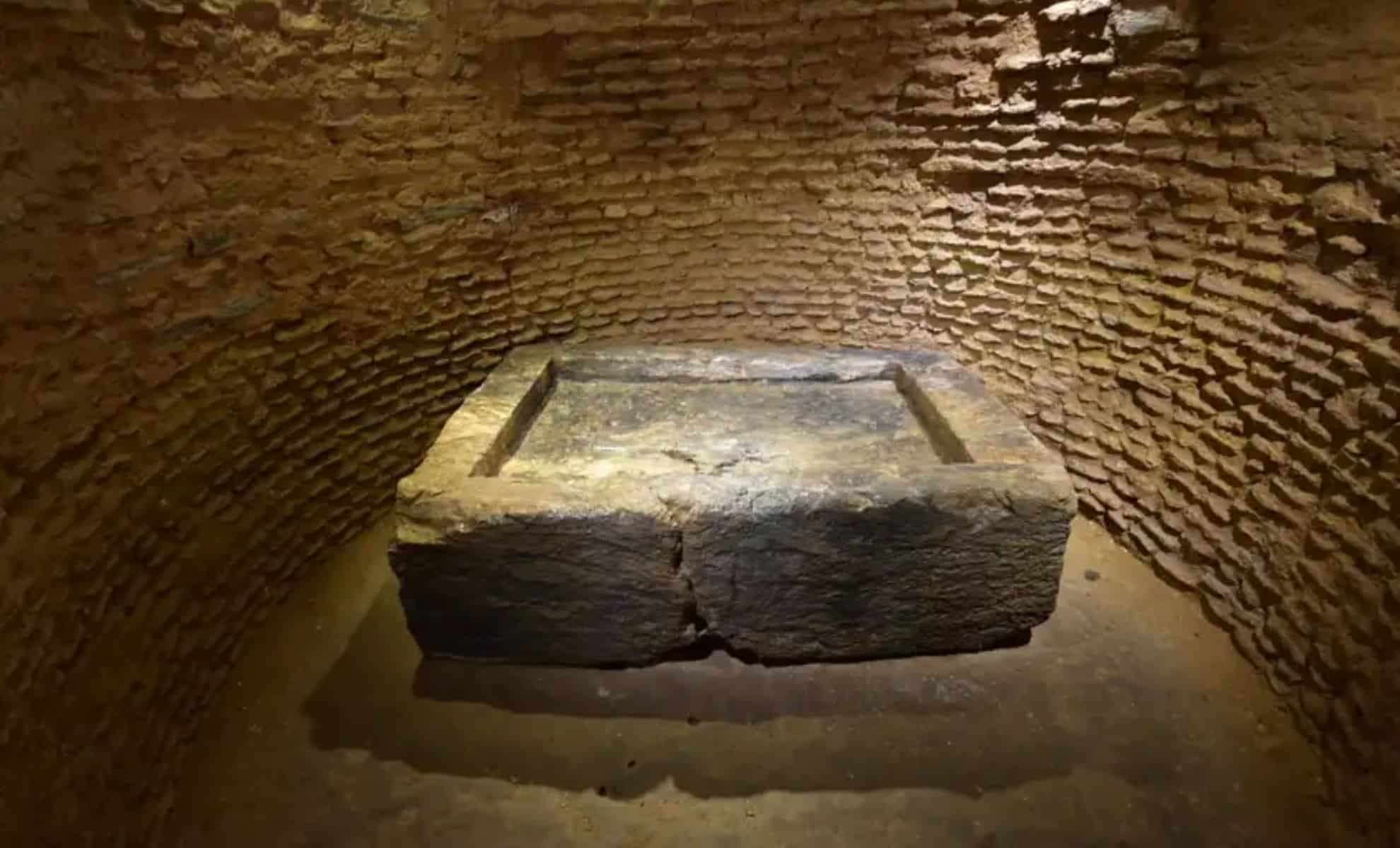
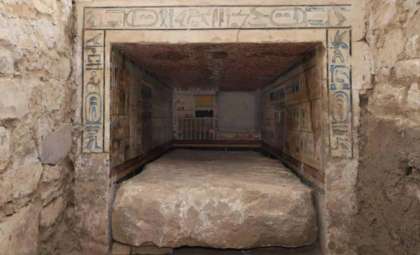
Scientists have discovered how ancient humans accomplished the remarkable feat of moving a 2-tonne stone more than five millennia ago. This monumental stone, known as the Matarrubilla stone, is housed within a circular tomb structure called a tholos at the Valencina archaeological site near Seville.
The Matarrubilla Stone: An Ancient Ceremonial Artifact
The Matarrubilla stone stands out as a significant prehistoric relic. Crafted from gypsum and weighing approximately two tonnes, it measures about 1.7 meters in length and 1.2 meters in width. Its placement inside a tholos, a type of burial or ritual chamber, highlights its importance in ancient ceremonial practices.
For decades, the question of how such a colossal stone was transported to Valencina remained unanswered. Its massive scale and unique material composition led researchers to theorize a key ceremonial function during the Copper Age.

Only recently have investigations into the stone’s origin offered a breakthrough: the Matarrubilla stone was probably moved by ancient mariners equipped with advanced seafaring technology.
Prehistoric Maritime Expertise in the Iberian Peninsula
This discovery sheds light on the exceptional nautical capabilities of prehistoric communities in Spain. The ability to transport such massive stones via sea routes points to maritime skills that surpass prior assumptions.
According to recent research, the Matarrubilla stone’s relocation likely involved coastal navigation and boat construction techniques sophisticated enough to handle heavy cargo. Successfully hauling such weight over long distances by water underscores these ancient peoples’ craftsmanship and navigational acumen.
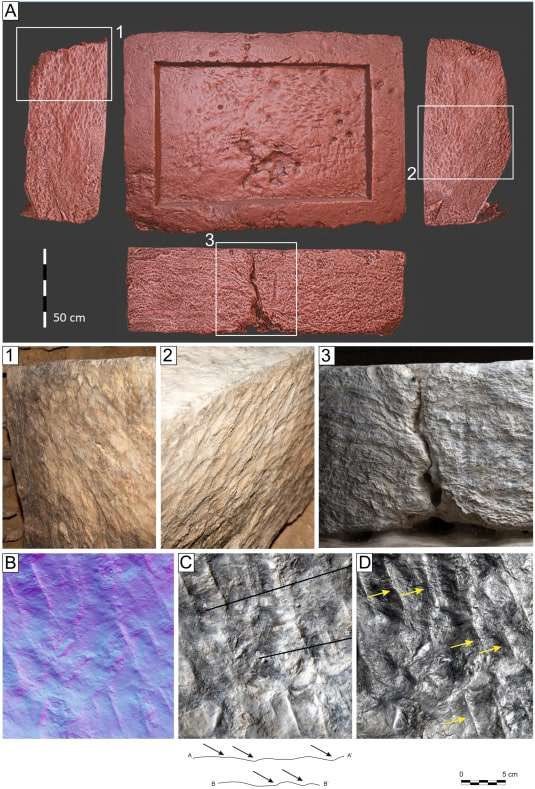
Revealing the Complexity of Copper Age Societies
The movement of the Matarrubilla stone also provides important insights into societal organization during the Copper Age in southern Spain. These communities not only possessed the skills for extended maritime travel but also demonstrated social coordination capable of supporting such engineering endeavors.
The utilization of substantial megalithic structures for ceremonial functions suggests a sophisticated societal framework, one that mobilized collective labor and technology to fulfill religious needs. The stone’s journey invites further questions about prehistoric maritime networks: how extensive were these seafaring routes, and what influence did they have on cultural evolution and interaction?
- Categories:
- News








0 comments
Sign in to Comment