
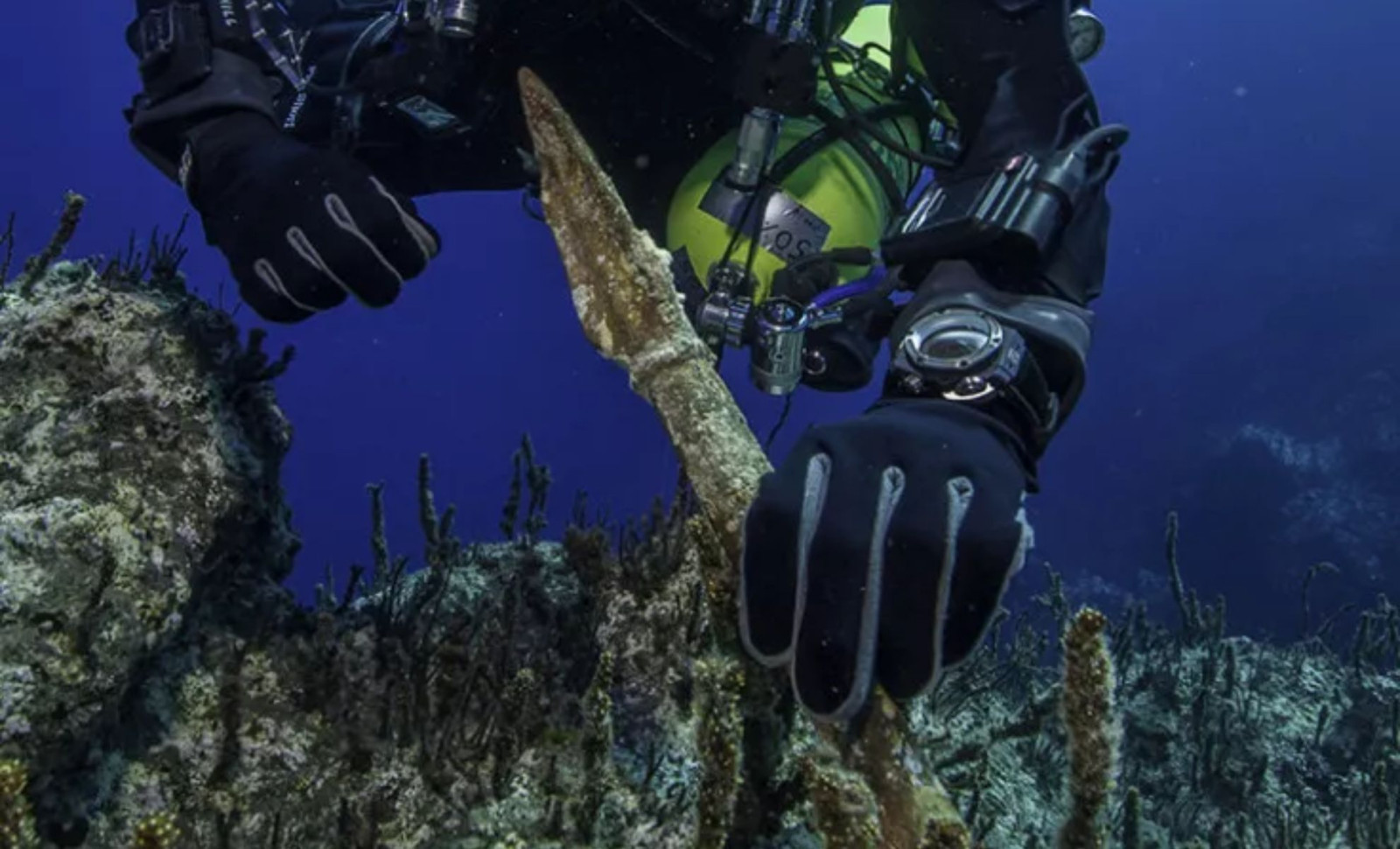
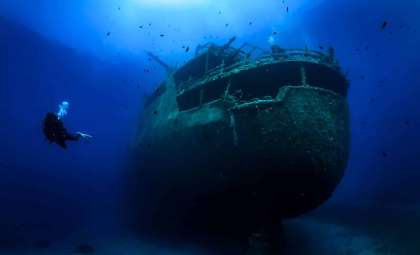
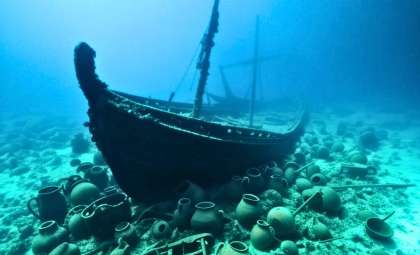
Archaeologists have uncovered more than fifty remarkably preserved items from the renowned Antikythera shipwreck. These objects, ranging from exquisite luxury pieces to everyday tools, have remained buried under the ocean floor for over 2,000 years. Located near a secluded Greek island, this site is recognized as one of the most significant underwater archaeological discoveries to date.
The shipwreck is estimated to be about 2,050 years old and has captivated researchers for many years due to the notable diversity and abundance of its cargo. The current excavation, part of the Return to Antikythera project launched in 2014, aims to delicately extract artifacts preserved beneath thick sediment layers.
Leading this effort is the Woods Hole Oceanographic Institution, working closely with Greece's Ephorate of Underwater Antiquities.

Rich Cluster of Artifacts Hidden Underwater
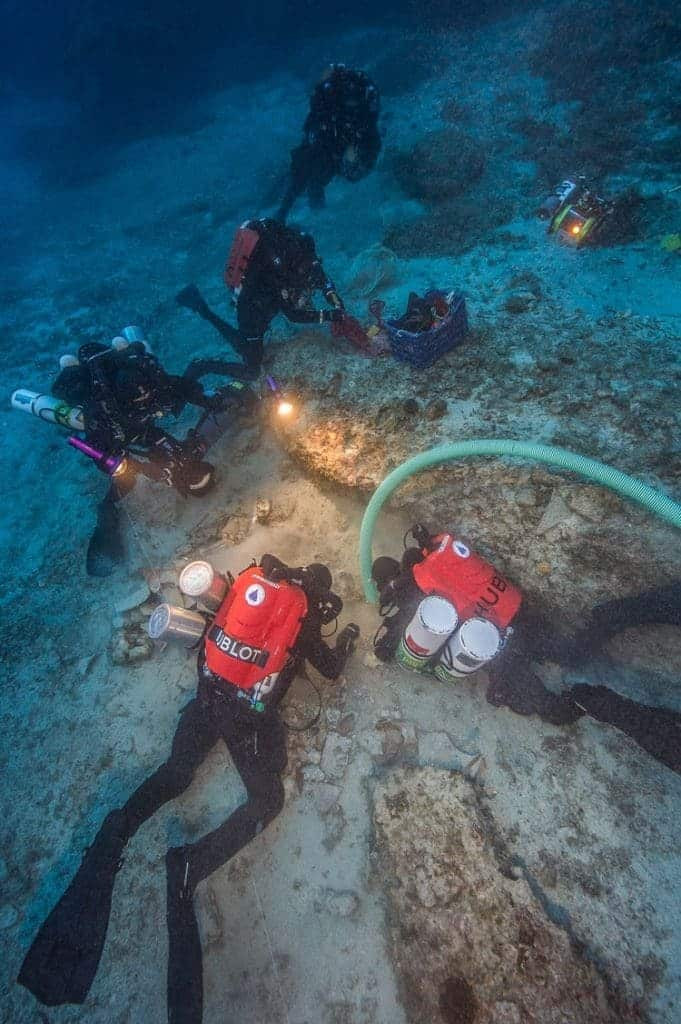
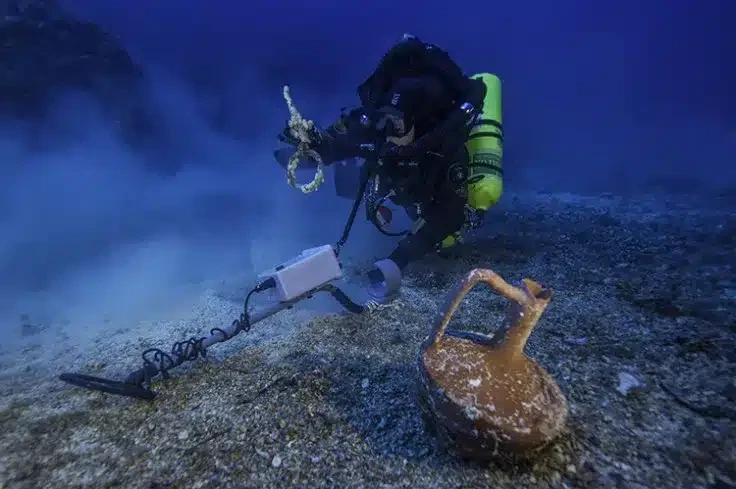
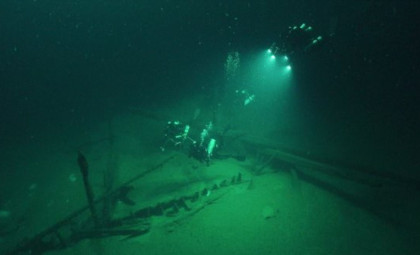
The ongoing Antikythera expedition has provided new insights about the shipwreck. Divers dedicated nearly 40 hours on the seabed, employing advanced tools to conduct careful excavations. According to a Science report, metal detection devices identified numerous buried objects scattered over the site, confirming that much of the wreck’s cargo remains entombed beneath sediment.
To maintain precise records, many items underwent 3D scanning before and after their retrieval. Dr. Theotokis Theodoulou, a maritime archaeologist with the Greek Ministry of Culture’s underwater division, remarked:
“We were very lucky this year, as we excavated many finds within their context, which gave us the opportunity to take full advantage of all the archaeological information they could provide.”
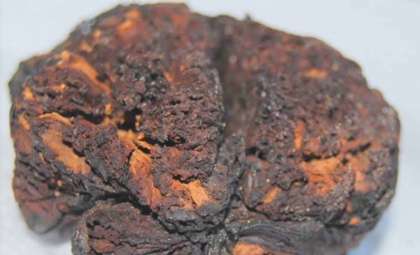
The latest discoveries include over fifty objects such as a bronze armrest potentially linked to a regal throne. Smaller artifacts like nails, a fragment likely from a utensil, and a delicate bronze lump situated near a blue bead contribute to the broader understanding of the site.
Signs of Luxury and Everyday Life Intertwined
Investigators also identified remnants of mosaic glass, transparent glass containers, and a beautifully adorned lagynos vessel likely used as a table jug. As explained by Dr. Theodoulou, recovering items in situ enhances comprehension of their original functions. Some artifacts suggest personal belongings, including parts of a bone flute and a game piece reminiscent of an ancient board game, hinting at leisurely diversions on board. Other items encompass a stone figurine base and ceramics like a Rhodian amphora neck featuring a stamped handle and a Koan demi-amphora.
Scientific Techniques Shed Light on Origins
Advanced laboratory testing also supports the archaeological investigation. Researchers retrieved fifteen lead objects, including a large salvage ring and sections of anchors, for isotopic examination. This technique may help pinpoint the sources of the lead ore and possibly the ship’s place of origin. Meanwhile, DNA samples were collected from wooden hull fragments and ceramic vessels found intact.
Additionally, sediment was gathered for analysis aimed at identifying starch grains and phytoliths. Although microscopic, these particles can illuminate the ship's cargo contents and even provide clues about ancient diets.
“The 2015 expedition has left the team with the best understanding yet of this unique shipwreck and its cargo. A metal detection survey of the site revealed that metallic targets are dispersed over an area of about 40×50 meters. This is thought to match the wreck’s debris field, indicating the vast size of the ship that sank off the forbidding cliffs of Antikythera,” as mentioned in a press release avaliable on the Woods Hole Oceanographic Institution‘s website.
- Categories:
- News




0 comments
Sign in to Comment