
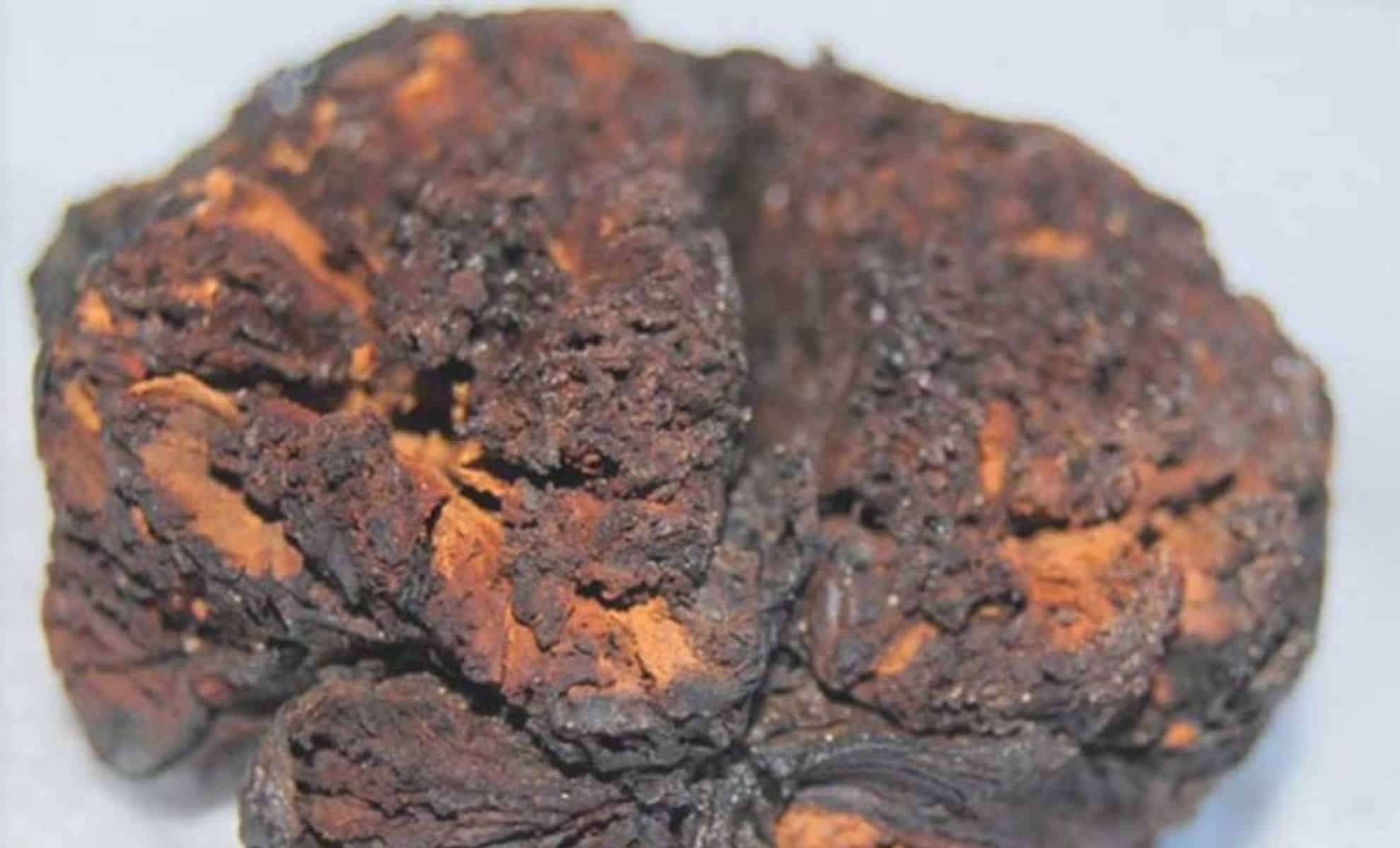
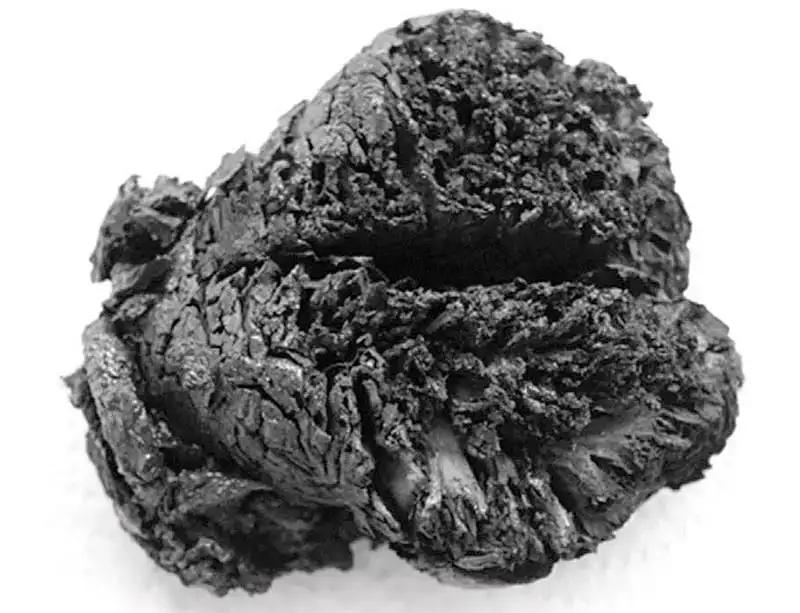
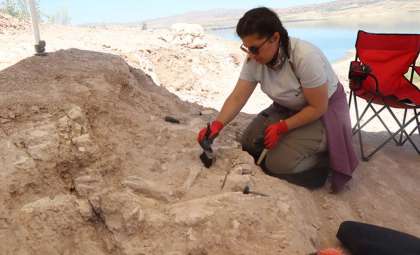
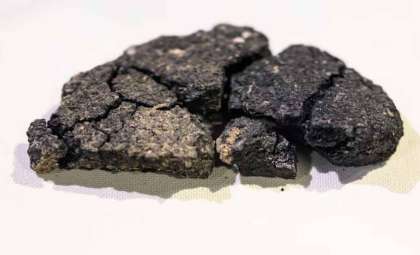
A remarkable discovery has emerged from Turkey, captivating the scientific community. Archaeologists have uncovered a human brain dating back 4,000 years at the ancient Seyitomer Hoyuk site in western Turkey. The exceptional state of preservation makes it one of the oldest and most complete ancient brains ever recovered.
The Mystery Behind Its Preservation
Brain matter typically deteriorates swiftly after death due to enzymes that break down neural cells, making intact specimens from the Bronze Age exceedingly rare. In this case, a unique combination of natural occurrences contributed to the brain’s extraordinary preservation.
Experts suggest that the settlement’s inhabitants were buried following a powerful earthquake. Shortly afterward, a blazing fire swept through, which may have effectively cooked the brain in its own fluids, preserving the tissue remarkably well.

Additionally, the burial soil, rich in magnesium, potassium, and aluminum, enabled the development of adipocere—a waxy substance that contributed further to the mummification and long-term stabilization of the brain tissue.
An Uncommon Opportunity for Research
This uniquely preserved brain offers researchers an extraordinary chance to delve into the health and conditions of people from the Bronze Age. The pristine brain tissue allows for an unprecedented examination of potential medical conditions, including tumors, bleeding, or other pathological signs that may reveal the individual's cause of death.
The rarity of such preservation means archaeologists rarely encounter intact brain matter. Scientists at the University of Zurich, who studied this specimen, expressed astonishment and believe this finding could motivate further efforts to locate and analyze ancient brain tissue.
They highlighted that "the exceptional preservation combined with the brain’s age is extraordinary," suggesting this discovery may encourage the archaeological community to be more vigilant in searching for similarly preserved specimens.
Broader Significance for Archaeology and Health Sciences
Although uncommon, cases of preserved ancient human remains containing brain tissue have precedent. For instance, in 2012, three children’s bodies found atop Volcan Llullaillaco in Argentina were superbly preserved by cold mountain conditions. Similarly, this Bronze Age brain’s preservation was made possible by a unique conjunction of environmental elements and catastrophic events.
Technological advancements now allow researchers to study preserved tissues in unprecedented detail. Frank Rühli from the University of Zurich, who has experience analyzing medieval brains, remarked, "To deepen our knowledge of neurological disorders throughout history, specimens like this are invaluable."
Discoveries like this have the potential to transform our understanding of ancient diseases, historical health trends, and how environmental factors influenced the survival and development of past human societies.
- Categories:
- News






0 comments
Sign in to Comment