
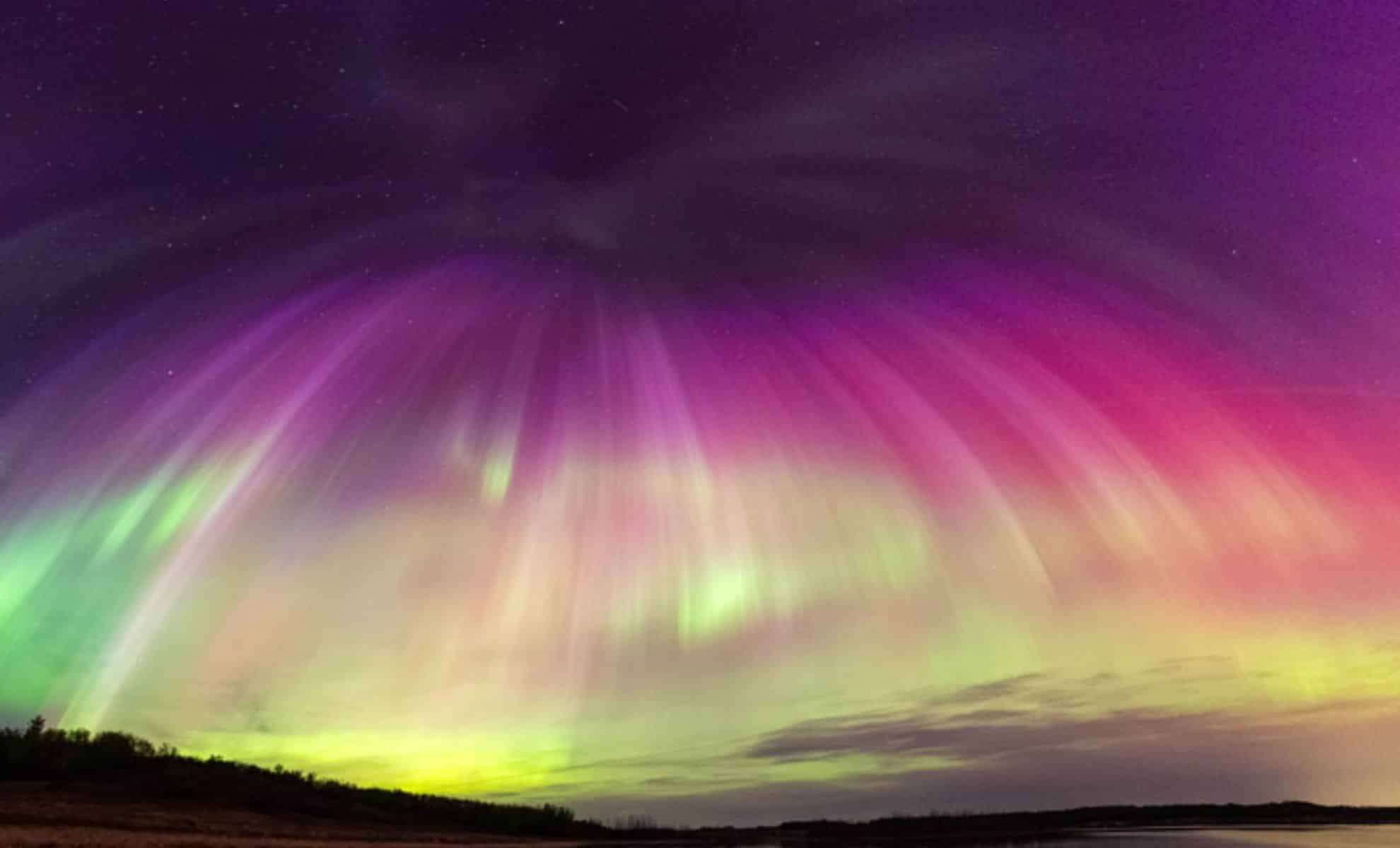
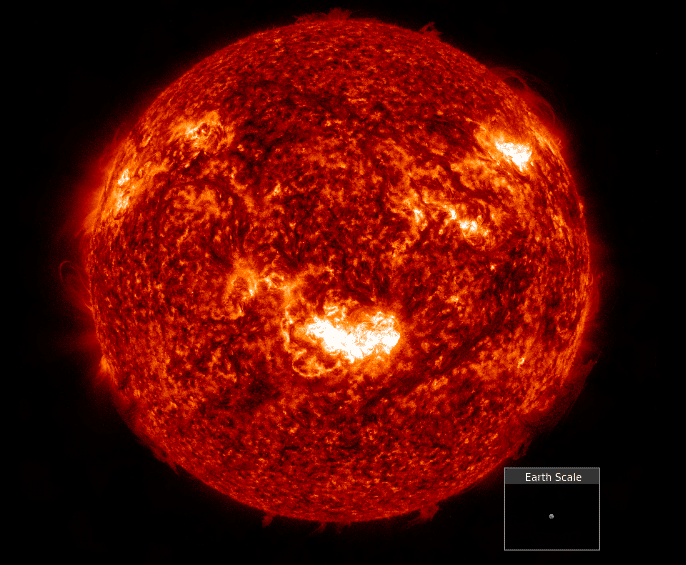
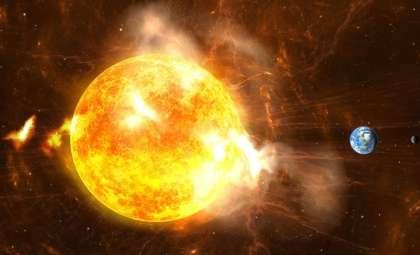
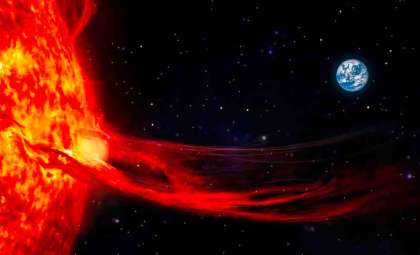
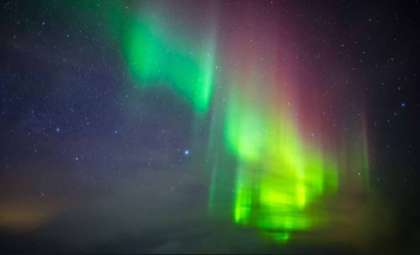
On May 10, 2024, Earth encountered its strongest geomagnetic disturbance in more than 20 years. Termed the Gannon Storm, this intense event was sparked by a sequence of colossal solar flares and coronal mass ejections (CMEs) erupting from a sunspot cluster nearly 17 times Earth's diameter. These explosive outbursts hurled charged particles and magnetic fields toward Earth, triggering a G5-class geomagnetic storm—the highest classification on NOAA’s space weather scale. While dazzling auroral displays mesmerized viewers worldwide, this storm served as a stark reminder of how susceptible modern infrastructure is to solar activity. According to a recent NASA report, the Gannon Storm offered valuable knowledge about the effects solar weather can have on technology, emphasizing the urgency of improving our preparations for potentially more severe solar events.
Origins and Progression of the Gannon Storm
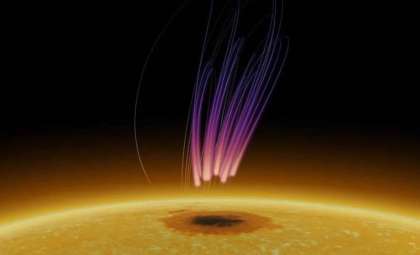
The Gannon Storm originated from a vast active sunspot region that emitted a barrage of solar flares and CMEs over several days. From May 8 to 11, 2024, eight distinct CMEs surged toward Earth, igniting a geomagnetic disturbance that caught many by surprise. Observations from NASA’s Solar Dynamics Observatory and Parker Solar Probe were instrumental in real-time tracking of the solar activity. As explained by Jamie Favors, the director of NASA’s Space Weather Program, “The plan was to run through a hypothetical scenario, finding where our existing processes worked and where they needed improvement. But then our hypothetical scenario was interrupted by a very real one.” This episode was more than an unexpected challenge; it showcased how solar storms can disrupt Earth’s magnetosphere, leading to breathtaking auroras and posing significant risks to vital technological networks.
Impact on Vital Infrastructure and Industries
North America’s electrical grid endured the storm without major disruptions, a result of long-term investments in protective measures. However, other industries experienced notable difficulties. The agricultural sector, which heavily depends on GPS-enabled Global Navigation Satellite Systems (GNSS) for precision farming techniques, faced significant interference. Disruptions to GPS signals complicated critical planting and harvesting operations. Terry Griffin, an Agricultural Economics professor at Kansas State University, pointed out, “Not all farms were affected, but those that were lost on average about $17,000 per farm. It’s not catastrophic, but they’ll miss it.” This scenario highlights the increasing reliance on satellite technology and the necessity of fortifying systems against space weather disruptions.

Advancements in Solar Storm Research
The Gannon Storm catalyzed progress in understanding space weather at NASA. The complex interaction of swiftly succeeding CMEs produced unforeseen magnetic disturbances, posing challenges to existing forecasting models. Key data collected by NASA’s Parker Solar Probe and the Solar Dynamics Observatory strengthened efforts to enhance predictive capabilities. Jamie Favors remarked, “Our ability to predict these events is getting better, but we still have a lot to learn about how the sun’s eruptions affect Earth’s systems.” This expanding database from the Gannon Storm will be fundamental in refining space weather predictions and improving readiness for upcoming solar disturbances.
Raising Public Awareness of Space Weather
The widespread visibility of auroras during the Gannon Storm generated a surge of public interest, especially in locations unaccustomed to such displays, like Ohio and Kentucky. This phenomenon prompted many to inquire about solar activity’s causes and visual nuances. As Kelly Korreck, a NASA program scientist, observed, “So many people got to view the aurora that normally wouldn’t, and they’re asking questions about why does this happen? Why did it look different? Why can I see it with my phone and not my eyes? Why is this red here and green there?” This growing curiosity represents a cultural shift, where public engagement is becoming a valuable asset for space weather education and preparedness. Agencies like NASA are capitalizing on this momentum to inform communities about solar phenomena and their potential impacts.
Strategies for Future Solar Storm Defense
Looking forward, the Gannon Storm underscores the critical need for adopting robust preparedness measures amid rising solar activity. Shawn Dahl, NOAA’s SWPC Service Coordinator, emphasized, “Even though the grid successfully avoided a failure of such magnitude, it did show that the general public should understand that a power blackout could occur with future storms of this or stronger magnitude.” As we near the peak of Solar Cycle 25, similar or even more intense storms are likely. NASA and NOAA are focusing efforts on enhancing early warning systems, improving space situational awareness, and developing backup satellite communications to maintain operations during severe space weather events.
Now, a year after the Gannon Storm, it stands as evidence of how far progress has come in both mitigating and understanding space weather risks. While it highlighted effective preparedness, it also revealed vulnerabilities that require attention. The lessons learned from this significant solar storm will continue to inform strategies to protect Earth's increasingly space-dependent technologies from the unpredictable dynamics of the Sun.
- Categories:
- News






0 comments
Sign in to Comment