
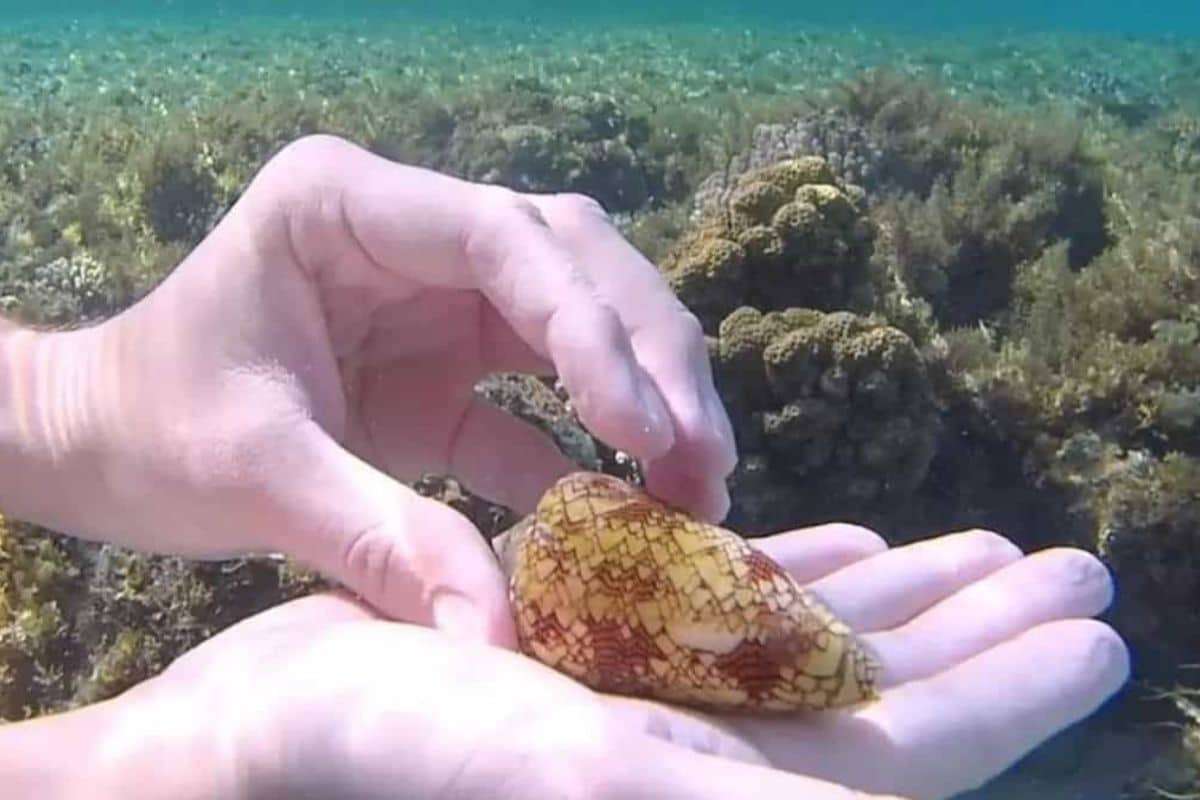
The ocean’s mesmerizing allure often conceals hidden dangers, as one snorkeler’s recent adventure in Egypt’s Red Sea dramatically illustrates. What began as a leisurely dive quickly escalated into a brush with death involving one of the marine world's most poisonous inhabitants—a textile cone snail.
Curiosity Leads to a Dangerous Encounter
Frank, an avid snorkeler, was marveling at the abundant sea life of the Red Sea when he spotted a beautifully patterned shell on the seabed. Drawn to its delicate markings, he picked it up, expecting to take home a memorable keepsake. However, this was no ordinary shell—it concealed a lethal predator.
Sharing his near-tragic experience on Reddit, Frank revealed he had been completely unaware of the peril he held. The shell’s occupant, a textile cone snail, carries a venom capable of killing a fully grown human within hours if untreated.

The Hidden Danger: Textile Cone Snail Venom
Found primarily in warm, shallow waters, the textile cone snail ranks among the ocean’s most venomous animals. This small mollusk employs a specialized harpoon-like tooth to deliver a potent toxin to its prey.
This venom includes conotoxins, complex neurotoxins that swiftly immobilize fish. In humans, a sting can lead to muscle paralysis, respiratory failure, and death if medical treatment isn’t received promptly. Since no antidote exists, avoidance is vital.
Experts caution travelers to avoid touching unfamiliar sea creatures, as many, such as the textile cone snail, deceptively seem harmless but can be deadly. Tourists often unknowingly take risks, as Frank’s story clearly demonstrates.
Social Media Buzz: Teaching Moments and Relief
Frank’s post on the Reddit diving forum garnered reactions ranging from shock to gratitude for his luck. Many users expressed astonishment at how close he came to serious harm, while others used the occasion to raise awareness about marine safety.
One commenter remarked: “You’re fortunate and a bit reckless.” Another shared a crucial warning: “Most fatalities from textile cone snails happen when people pocket the shells as souvenirs. You escaped by a hair.”
Others highlighted the need to protect marine environments, reminding everyone not to disturb underwater life. A seasoned diver advised: “Avoid handling snails while diving. It's essential not only for your safety but also for preserving the ocean’s ecological balance.”
Valuable Lessons About Respecting Marine Life
Frank admitted that he had no understanding of the potential dangers prior to the incident. Luckily, he remained unharmed, but his experience now stands as a cautionary tale for ocean enthusiasts.
Marine scientists emphasize educating oneself before venturing into unfamiliar waters. Creatures like the textile cone snail, blue-ringed octopus, and stonefish effortlessly blend into their surroundings, posing risks even to experienced divers without proper knowledge.
- Categories:
- News









0 comments
Sign in to Comment