
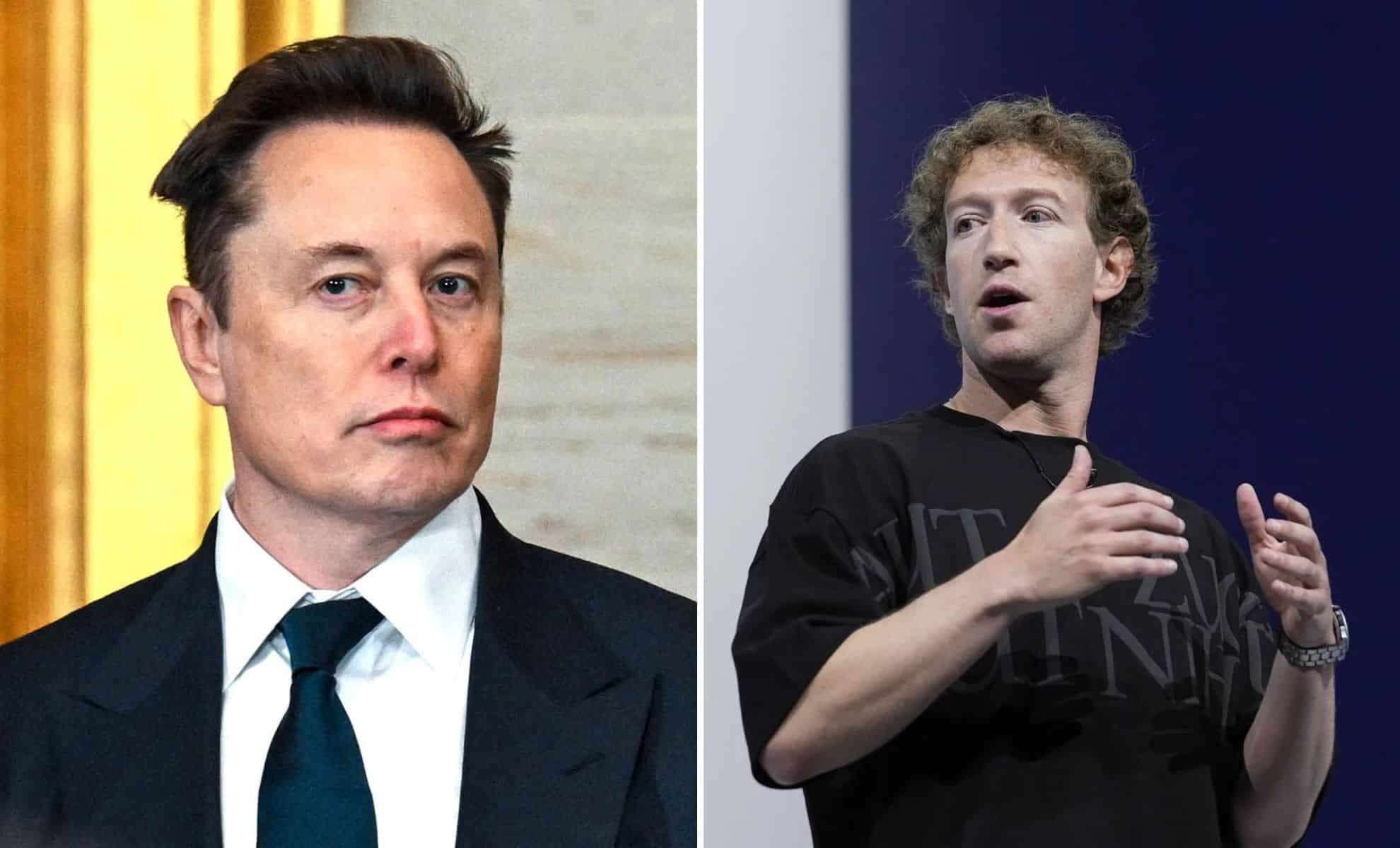
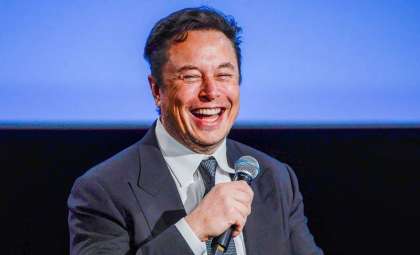
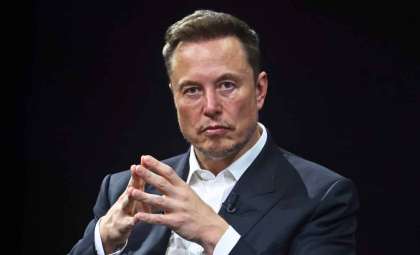
In early 2025, Elon Musk surprised the tech industry by presenting an offer approaching $100 billion to buy OpenAI, the organization behind the influential AI platform ChatGPT. Musk's motivation extended beyond monetary gain; he aimed to influence the direction of artificial intelligence to prioritize transparency, safety, and public benefit. As part of his strategic effort, Musk reached out to prominent tech leaders, including Meta CEO Mark Zuckerberg, seeking possible partnership or support. Recent court documents reveal this outreach, sparking close examination of Meta's role in the proposed acquisition. As reported by TechCrunch, OpenAI’s legal team has demanded disclosure of any correspondence between Musk and Zuckerberg to clarify Meta's involvement. This legal conflict adds a new layer to ongoing debate over OpenAI’s transition to a profit-driven structure and Meta’s potential influence in these developments.
Musk’s Concerns Over OpenAI’s Direction and Disagreement with Sam Altman
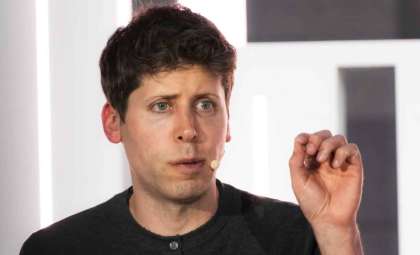
Elon Musk has been connected to OpenAI since its establishment in 2015, joining other visionaries to ensure artificial general intelligence (AGI) advanced responsibly and openly. Musk was vocal about the dangers posed by unregulated AI progress, particularly as leading firms like Google showed limited caution about safety. OpenAI’s original mission centered on creating AGI for the collective good of humanity. Over time, Musk became increasingly disillusioned with OpenAI’s leadership under Sam Altman, especially after the company shifted from a nonprofit to a profit-oriented business. Musk considers this pivot a deviation that compromises important ethical standards and safety considerations embedded in OpenAI’s founding charter.
He has repeatedly criticized Altman’s management for prioritizing commercial interests, pointing to ChatGPT’s closed-source model and subscription-based access as evidence that OpenAI has moved away from its foundational values. Musk’s public statements and court filings emphasize his belief that the firm has forsaken openness and safety in favor of corporate profit, concerns which fueled his push to gain control and redirect the company’s trajectory toward more responsible AI development.

The Ambitious $97 Billion Proposal: Musk’s Attempt to Redirect AI Future
Musk’s $97 billion offer for OpenAI is more than just a financial bid—it represents his plan to gain leadership of one of the most important AI organizations globally. His vision emphasizes transparency and ethical standards in the advancement of AGI, which he feels are being compromised under OpenAI’s current leadership. Musk’s proposal is an effort to reset AI development priorities along lines that reflect his commitment to public interest and safety.
Despite Musk’s bold offer, OpenAI’s board, including Sam Altman and investors, have pushed back, concerned that his leadership might disrupt ongoing innovation and compromise trust in the AI sector. The tension between Musk and OpenAI’s management, intensified by his public condemnations, has escalated into a legal confrontation expected to influence the governance and control of AI technologies profoundly.
Meta’s Involvement and the Legal Battles Ahead
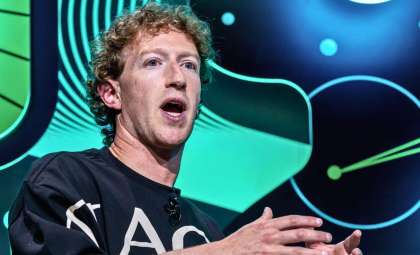
As the dispute escalates, Meta has emerged as an important figure. Court records indicate that Musk contacted Zuckerberg to discuss potential collaboration or funding for his OpenAI takeover plan. Although Zuckerberg declined to join the acquisition bid formally, the communication between Musk and Meta has raised legal questions about transparency and intent. OpenAI seeks orders compelling Meta to reveal all documents and conversations connected to possible restructuring or recapitalization plans related to the acquisition attempt.
OpenAI argues that Meta’s participation is crucial to understanding the full context behind Musk’s proposal and the company’s future. Conversely, Meta contends that its internal discussions with Musk are irrelevant to the current legal case and resists producing these materials. This standoff, involving OpenAI, Meta, and Musk, is developing into a complex, high-profile conflict with significant impact on AI development, corporate governance, and industry collaboration strategies.
- Categories:
- News





0 comments
Sign in to Comment