
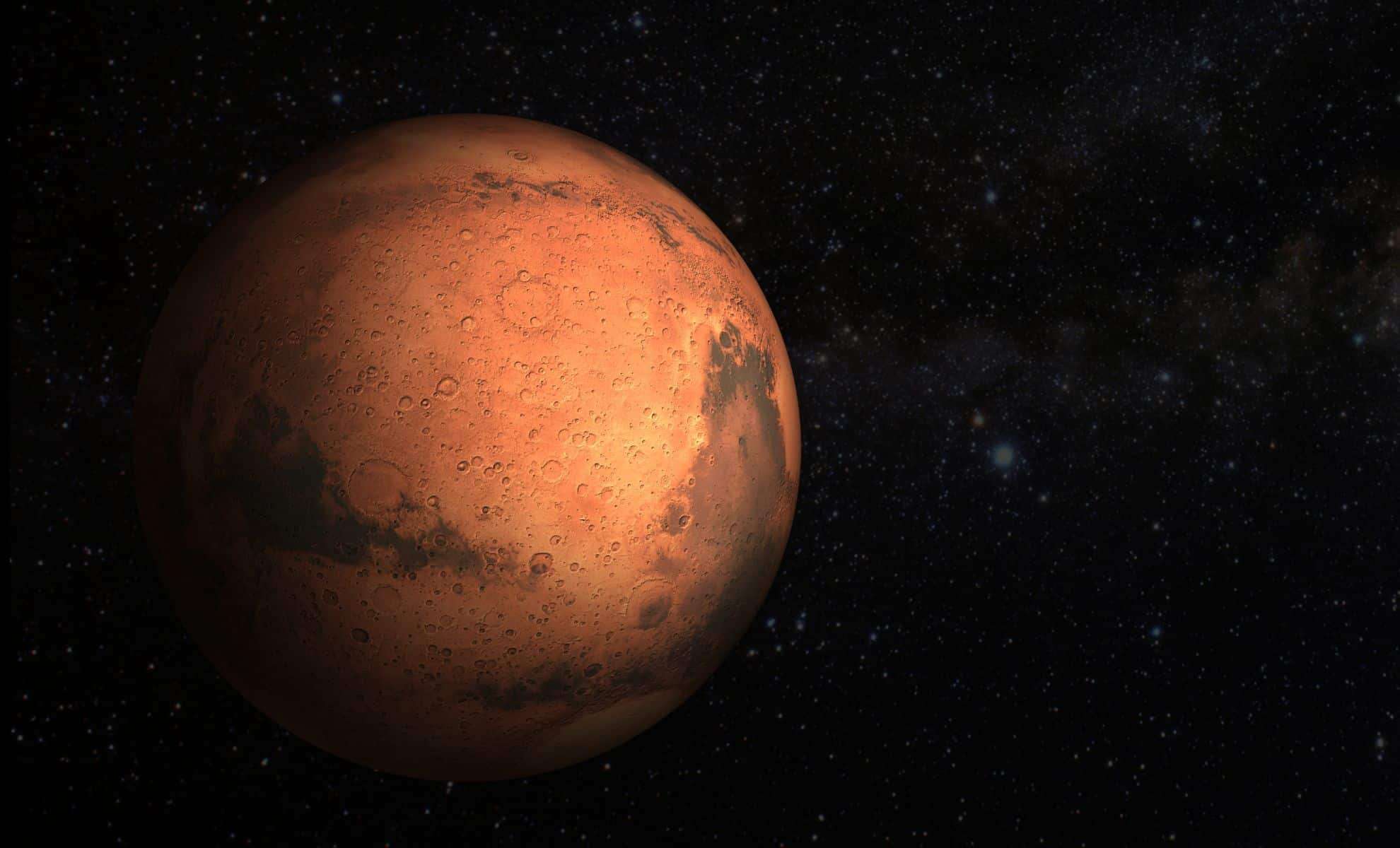
Researchers have uncovered massive, dense formations deep beneath Mars' surface, sparking new intrigue about the Red Planet’s interior and suggesting the presence of possible ongoing volcanic mechanisms below.
An Enormous Subterranean Structure Below Tharsis Montes
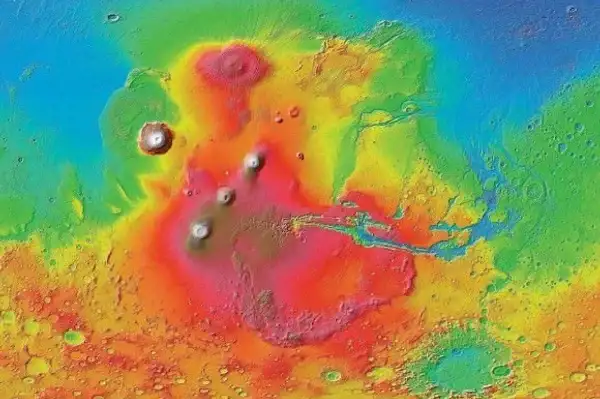
A recent study confirmed a colossal subsurface mass spanning approximately 1,750 kilometers (over 1,000 miles) in diameter and situated around 1,100 kilometers (684 miles) beneath the Tharsis Montes volcanic plateau, home to Olympus Mons, the solar system’s tallest volcano. This significant finding was reported in JGR: Planets by a team led by Bart Root at Delft University of Technology.
The scientists propose that this vast feature could be a mantle plume—rising columns of heated, less dense rock ascending from Mars' deep mantle. They noted, “There seems to be a big mass (something light) deep in Mars’ layer, possibly rising from the mantle.” Such activity hints at dynamic geological processes that might still be generating volcanic phenomena under the Martian crust.

The altitude of the Tharsis Montes region is notably elevated compared to much of Mars. This points to the underlying formation exerting an uplift on the crust, defying the typical geological expectation where heavy subterranean loads cause sinking. This unexpected buoyancy compels scientists to reconsider existing models on how Martian volcanoes maintain their support.
Discovery of Dense, Unusual 'Dog-Shaped' Anomalies
In addition to the Tharsis findings, the team noticed other dense subsurface bodies beneath Mars’ northern polar region. These gravitational irregularities, denser by approximately 300 to 400 kilograms per cubic meter compared to surrounding materials, lie obscured under thick sediment layers likely linked to ancient seas.
Unlike impact basins on Earth’s Moon, which display clear surface scars from their dense impactors, Mars’ gravity anomalies reveal no apparent surface traces.
Dr. Root remarked, “These dense structures might be volcanic remnants or compressed matter from ancient impacts. Around 20 features have been mapped near the north polar cap, including one with a distinctive dog-like shape.” The lack of visible surface markers renders these underground features especially puzzling and highlights the extent of Mars’ hidden complexity.
Upcoming Explorations Could Reveal Mars’ Inner Mysteries
To delve further into these concealed formations and the geological forces at play, scientists advocate for upcoming missions. One promising project is the Martian Quantum Gravity (MaQuls) initiative, which aims to use cutting-edge technology akin to methods employed in studying the Moon's and Earth's gravity fields.
Dr. Lisa Wörner from the German Aerospace Center (DLR) highlighted the mission's capabilities: “MaQuIs could provide unprecedented insight into Mars’ subsurface, helping us to uncover these curious hidden structures, investigate active mantle convection, and enhance our understanding of dynamic surface phenomena like seasonal atmospheric shifts and the presence of underground water deposits. ”
- Categories:
- Space









0 comments
Sign in to Comment