
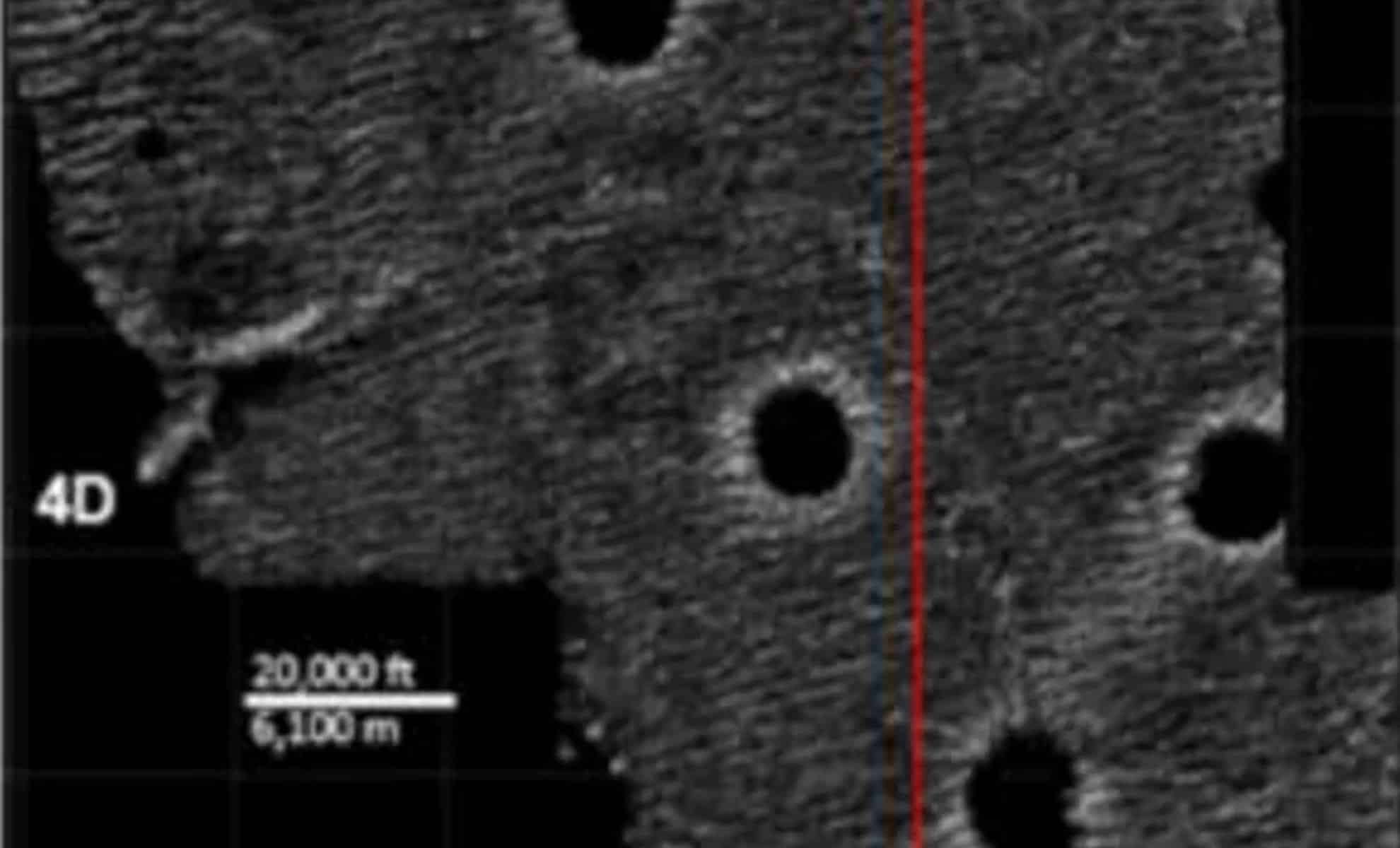
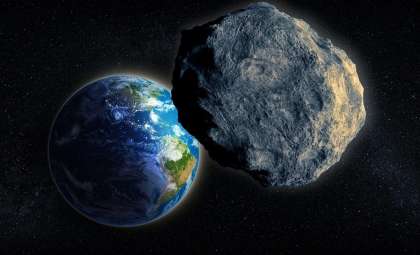
Beneath Louisiana’s marine surface lies the remarkable legacy of the Chicxulub asteroid collision — one of Earth’s most devastating events. Scientists have revealed vast “megaripples,” some rising up to 52 feet, sprawling across the ocean bed. These formations originated from the colossal tsunami triggered by the asteroid impact, proving to be much larger and more expansive than previously recognized. This research, featured in Earth and Planetary Science Letters, unveils the enormous reach of the tsunami’s aftermath. Employing advanced 3D seismic imaging, researchers are unlocking new perspectives on this iconic geological catastrophe from 66 million years ago.
Charting Megaripples: Insights into the Enormous Tsunami’s Strength
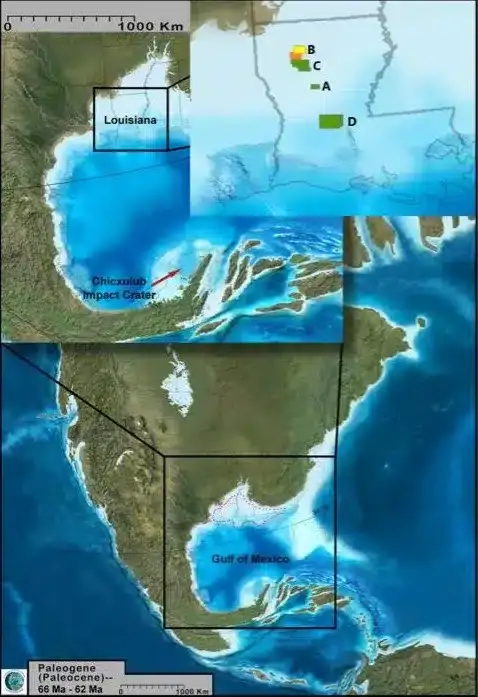
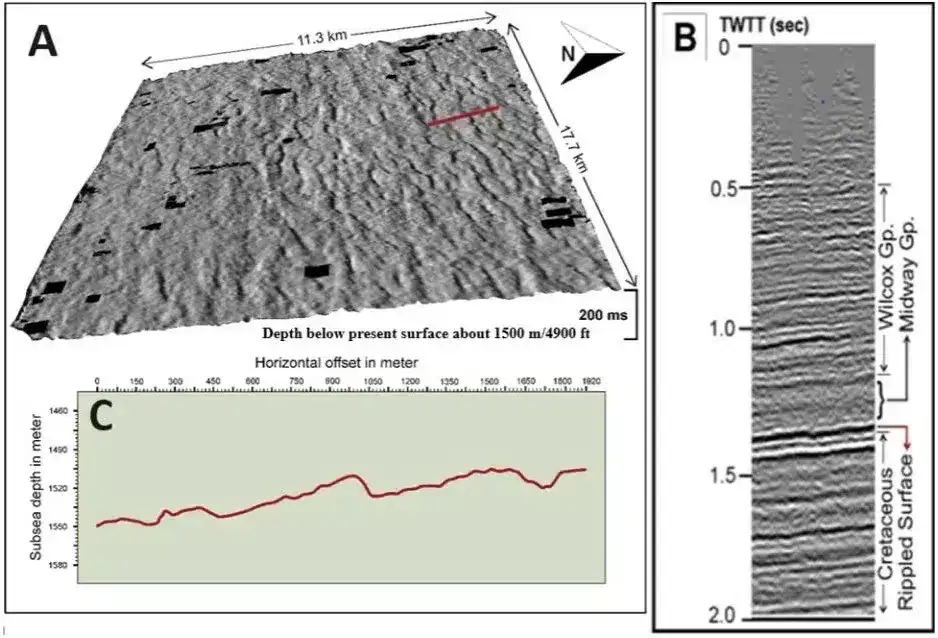
The asteroid impact at Chicxulub, linked to the extinction of nonavian dinosaurs, also generated an immense tsunami. Scientists, with Gary Kinsland from the University of Louisiana at Lafayette leading the effort, discovered evidence of giant megaripples buried underneath Louisiana’s seabed. Stretching across 900 square miles with heights reaching 52 feet, these ripples demonstrate the extraordinary energy unleashed by the event. Initially spotted in 2021 over a 77-square-mile area, newer findings extend the presence of these structures far beyond the initial map.
Analyzing comprehensive 3D seismic datasets, the team unveiled new insights into how the tsunami moved and interacted with the ocean floor. The distinctive ripple formations—varying from sharply asymmetric to diverse patterns—offer clues about the tsunami’s trajectory and force. Kinsland emphasized their significance for tsunami research, stating:

“The megaripples are different on the slope, at the shelf break and further up the shelf. This is important information in modeling of tsunami, in prediction of future tsunami interactions with shelves and in the understanding of the Chicxulub tsunami.”
Decoding the Origins of Megaripples
These giant sand features differ fundamentally from common ocean ripples shaped by regular wave patterns or currents. Instead, they formed amid the violent forces unleashed by the post-impact tsunami. Kinsland explains that the formation process likely involved seismic shaking and sediment fluidization:
“The ripples must be formed by deformation of the mass of the material,” Kinsland said. “An analogy is the ripples formed in the process of making whipped cream, which produces ripples which stand after having been pushed into ripple shapes.”
This comparison helps conceptualize the ripple creation mechanism. The researchers suggest that the tsunami’s intense movement caused sediments on the seafloor to briefly behave like a fluid, molding into these lasting ripple forms as the waters receded. Despite this explanation, Kinsland notes that additional study is needed to fully unravel the processes behind megaripple formation.
Modern Implications and Enhancing Disaster Preparedness
While this research explores deep geological history, its findings have important consequences today and for future safety. Understanding the scale and dynamics of such a tsunami informs efforts to model similar large-scale wave events. This knowledge is vital as asteroid monitoring improves worldwide. Kinsland remarked:
“We track asteroids now and should be able to predict future impacts. Understanding the worldwide impact effects will help us prepare if we see one coming which we cannot deflect.”
With advancements in detection and forecasting of asteroid paths, scientists aim to forecast potential impacts more accurately and plan strategies to mitigate their effects. Investigating the Chicxulub event, which dramatically altered Earth’s environment and life, enriches understanding of the cascading effects of asteroid collisions and enhances preparedness for such global hazards.
- Categories:
- News





0 comments
Sign in to Comment