
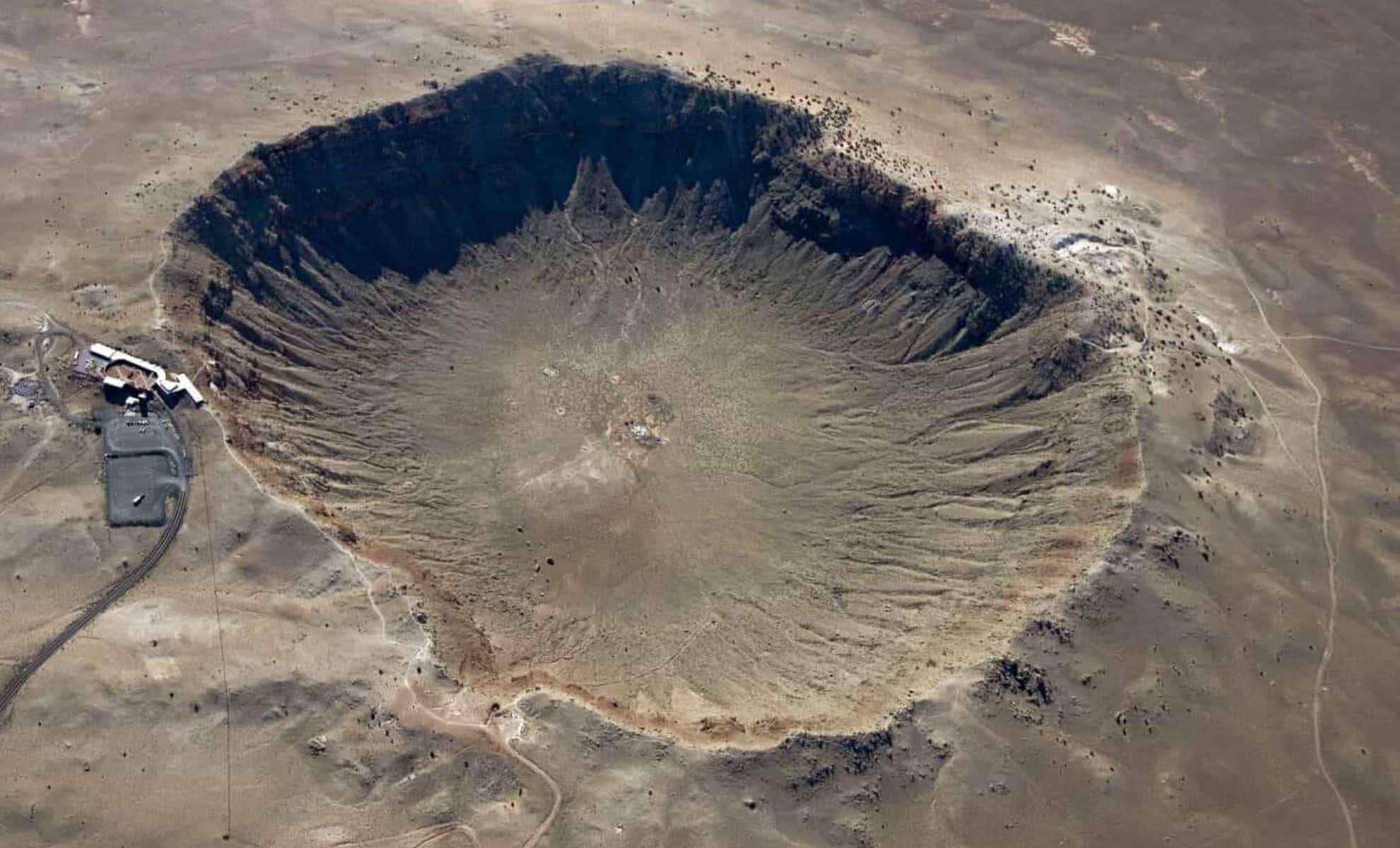
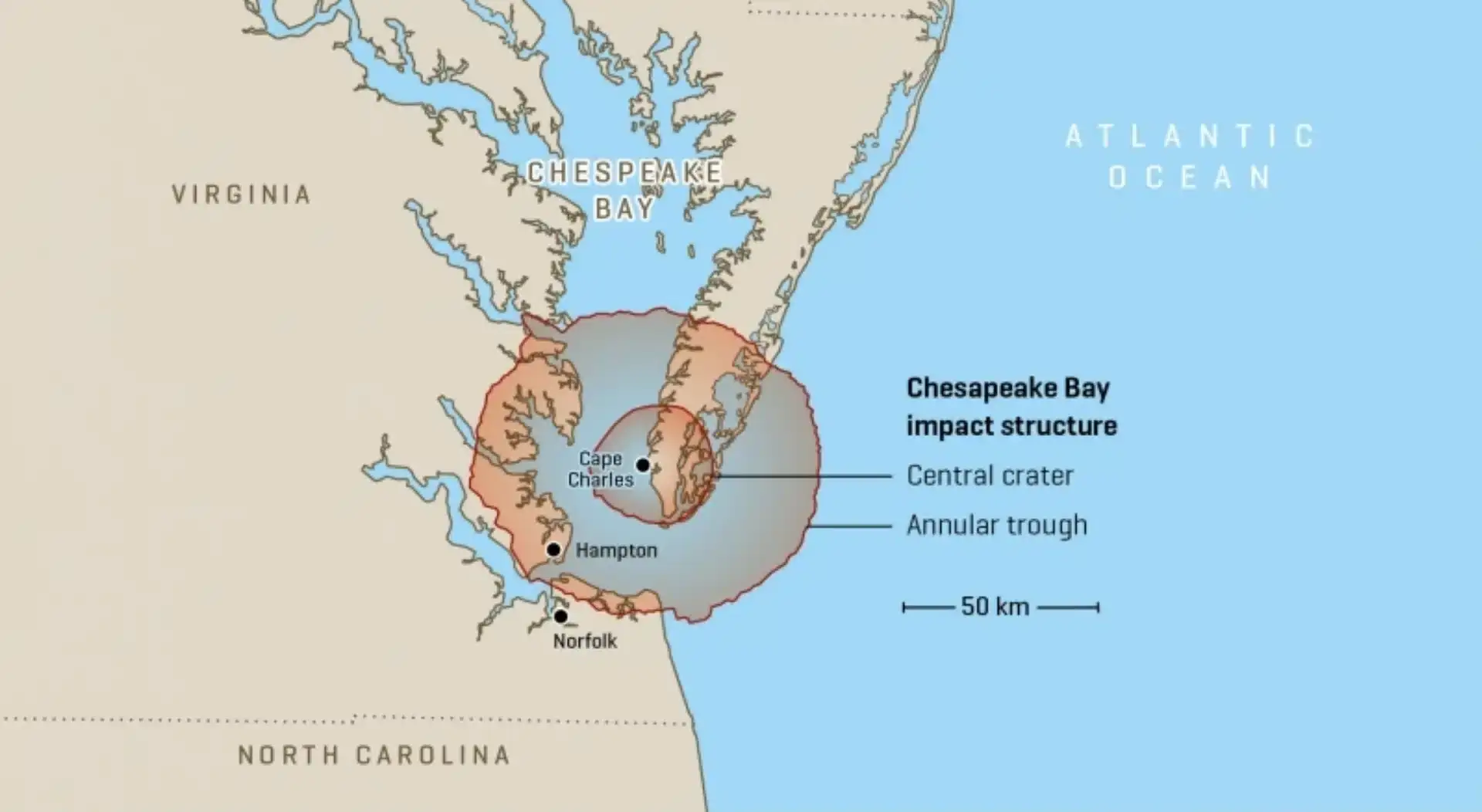
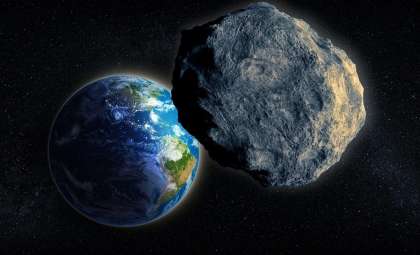
Researchers have made a remarkable find revealing a gigantic submerged crater beneath Chesapeake Bay, stretching to a size three times larger than the Grand Canyon. Formed by an asteroid collision with the ocean near North America's East Coast roughly 35 million years ago, this prehistoric impact basin sheds new light on the intense forces that have sculpted our planet’s surface. The crater’s existence, verified through scientific drilling in the early 1990s, deepens our understanding of how catastrophic asteroid impacts have shaped Earth's geological and biological evolution.
The asteroid strike not only resulted in this enormous crater but also unleashed widespread destruction, triggering massive fires, intense earthquakes, and a tsunami reshaping the territories now known as Virginia and Maryland. Measuring around 25 miles across, this crater ranks among the largest confirmed impact sites in the United States. Ongoing research continues to reveal the powerful dynamics and long-term effects of this extraordinary event.
Unearthing a Gigantic Crater Beneath the Bay
This enormous underwater crater, the aftermath of a cosmic collision, is a daunting testament to Earth’s violent geological past. Buried beneath thick sediment layers over millions of years, its presence remained a secret until early 1990s drilling efforts uncovered it. This breakthrough was pivotal, showcasing the monumental scale of this ancient cosmic event that directly influenced North America's East Coast. At 25 miles in diameter, this feature dwarfs most known terrestrial impact craters and is critical for comprehending asteroid impact mechanics.

Studying this crater has empowered scientists to better assess the broader consequences asteroid impacts can have on Earth’s surface, revealing how they cause intense destruction and leave enduring geological imprints. Analysis of the dispersed debris, spread across more than 4 million square miles—almost ten times the size of Texas—has also enabled researchers to reconstruct the timing and magnitude of the event.
Far-reaching Consequences of the Impact
The impact extended beyond excavation, setting off global-scale effects with enduring environmental and climatic repercussions. The collision propelled debris into the atmosphere, including tektites—glassy objects formed by meteor impacts—and intensely shocked zircon crystals. These shock-metamorphosed minerals provide crucial evidence of the impact’s immense energy. The resulting North American tektite strewn field disperses over roughly 4 million square miles.
The ejected materials rapidly cooled upon contacting the ocean water, with much settling on the seabed, preserving a detailed archive of the catastrophe. Investigations into these deposits, including the shocked zircon crystals, have offered key insights into the event's timing and energy. Remarkably thin, about the width of a human hair, these crystals were found in sediments located some 400 kilometers (250 miles) northeast of the impact zone, delivering valuable data on the shock pressures generated during the collision.
Pinpointing the Age of the Impact
To clarify the chronology and global influence of the asteroid strike, scientists employed advanced dating methods on samples from the impact site. Led by Marc Biren of Arizona State University, the research team utilized uranium-thorium-helium dating to produce a refined timeline for when the materials were blasted out and subsequently cooled. These results are vital for understanding the event’s precise timing and contribute broadly to impact event research by illustrating how such impacts have shaped Earth's geological and biological trajectories.
This article has been republished from the following materials. Note: material may have been edited for length and content. For further information, please contact the cited source.
- Categories:
- News



0 comments
Sign in to Comment