
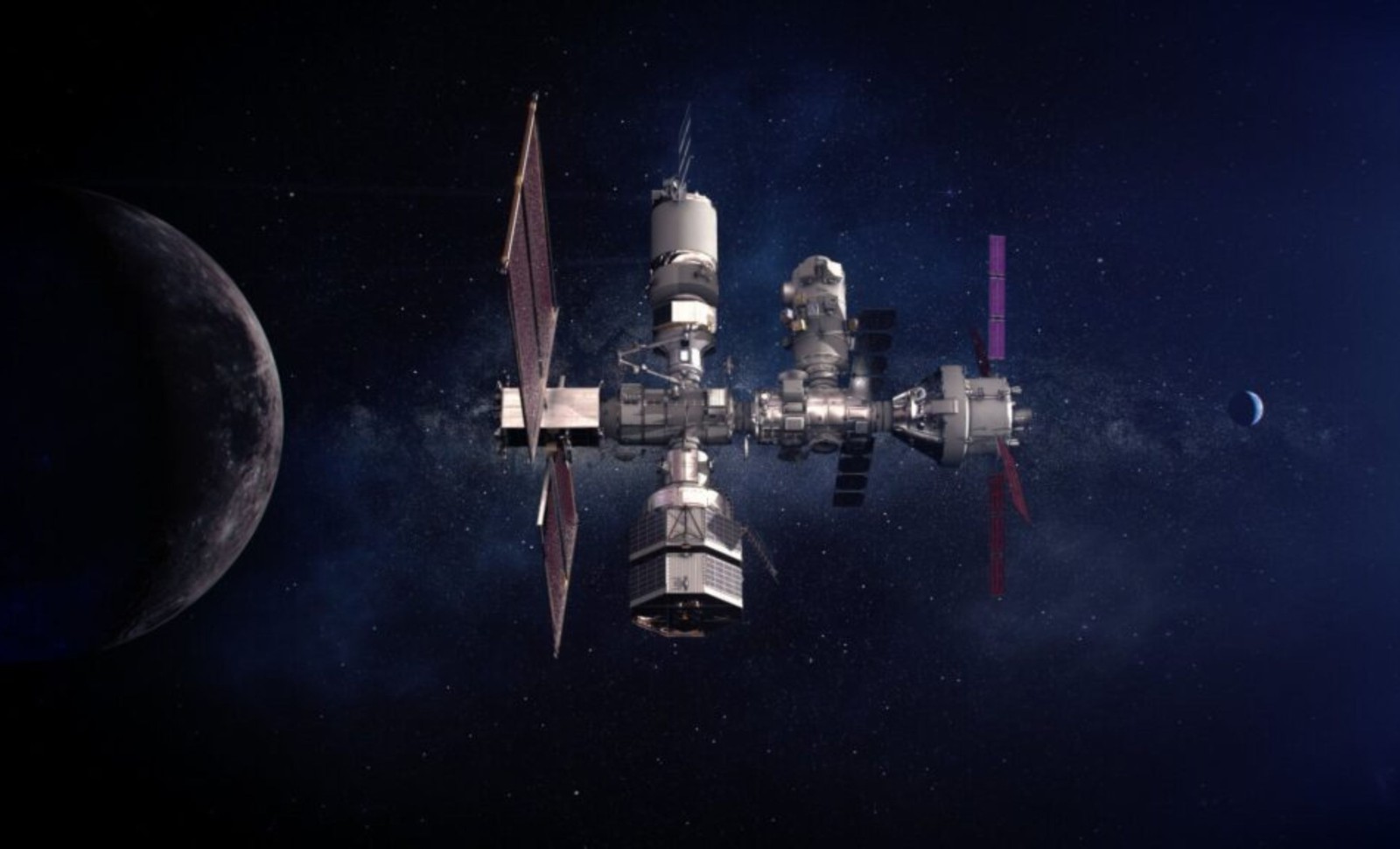
The European Space Agency (ESA) is forging ahead with its visionary initiative to develop the Lunar Gateway, an orbital facility around the Moon. Despite initial uncertainties, ESA has reaffirmed its full dedication to this pioneering project. Positioned as the first lunar orbital station, it will play a pivotal role in supporting upcoming Moon missions and potentially enabling further human space exploration beyond.
This renewed focus on the Lunar Gateway occurs amidst a major evolution in space exploration. With the International Space Station (ISS) approaching retirement, leading spacefaring nations such as the United States, Russia, and China are preparing for the next era of space infrastructure.
Gateway’s Central Function in Lunar Missions
According to NASA, the Lunar Gateway will act as a vital operational hub for astronauts bound for the Moon, equipping crews with essential facilities. Serving not only as a launch point, it will also aid teams working directly on the lunar surface. ESA astronaut Alexander Gerst described it perfectly:

“We will build the Gateway. It’s a space station that’s set to orbit the moon as a base station, as a base camp to go down to the surface.”
The Gateway forms a core element of NASA’s Artemis initiative, targeting the historic return of the first woman and next man to the Moon by 2025. Gerst emphasized that Europe will have a significant stake, with ESA responsible for the construction of two key modules of the station.
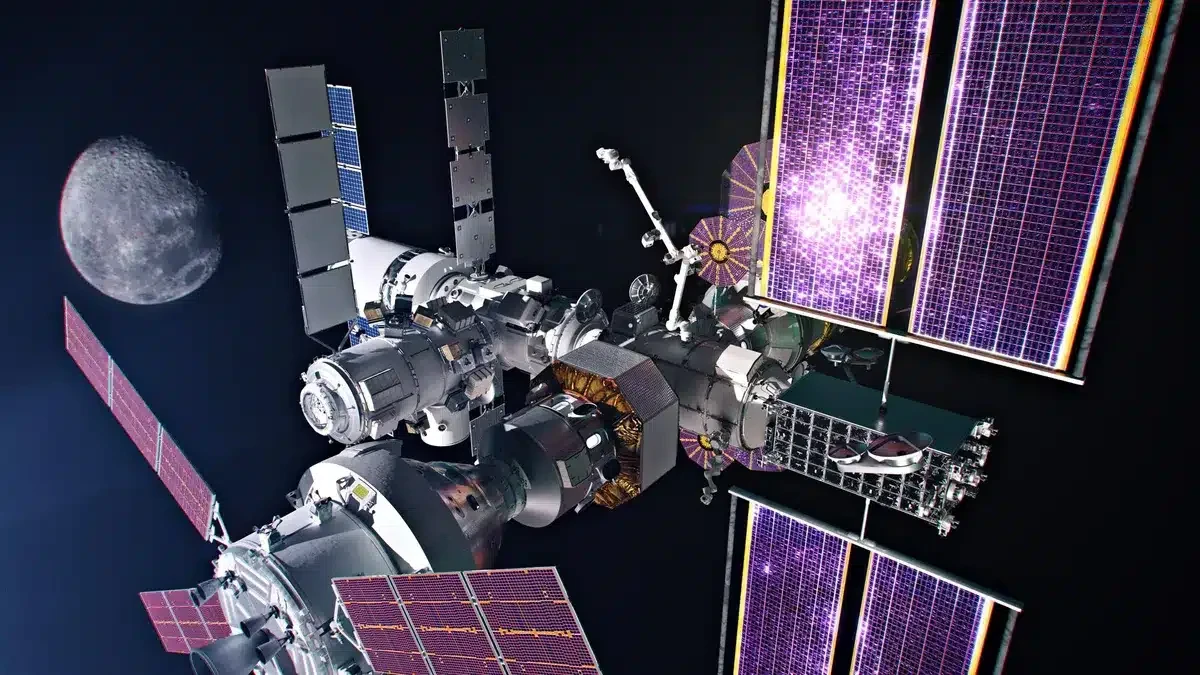
The European Service Module (ESM), already integrated into NASA’s Orion spacecraft, will further bolster Artemis efforts. If all plans succeed, ESA’s partnership will underpin an international framework aimed at sustaining future space exploration endeavors.
Challenges and Perseverance Amid Funding Cuts
The path toward realizing the Lunar Gateway has faced hurdles. In 2026, the Trump administration proposed deep budget reductions that jeopardized the project and slashed crucial European hardware contributions to the Artemis program. Nonetheless, ESA has maintained a strong commitment to advancing the mission.
Reports indicate the agency continues to develop innovative technologies such as the autonomous cargo tug designed to transport supplies to the Gateway. ESA’s leadership in these groundbreaking projects reflects a broader ambition for the future of space exploration.
Bold Vision for Overcoming Emerging Challenges
With the ISS nearing decommissioning, ESA faces fresh obstacles and opportunities. The agency is also focused on the LEO Cargo Return Service, a vehicle engineered to shuttle cargo to and from Low Earth Orbit. Anticipated to undergo testing by 2029, its success would represent a major milestone toward ESA’s independent orbital operations.
ESA also aims to pioneer reusable spacecraft, a critical advancement expected to lower mission costs. ESA astronaut Samantha Cristoforetti noted the considerable challenge this presents.
“We have never mastered that capability and demonstrated it. So for Europe it’s a big step, and I really hope that it’s a step towards enhanced ambition.”
The effort encapsulates mastering complex aspects of human spaceflight, including safe astronaut returns and emergency handling. ESA’s preparedness in these fields could transform Europe’s contribution to space exploration in the coming decades.
- Categories:
- Space







0 comments
Sign in to Comment