
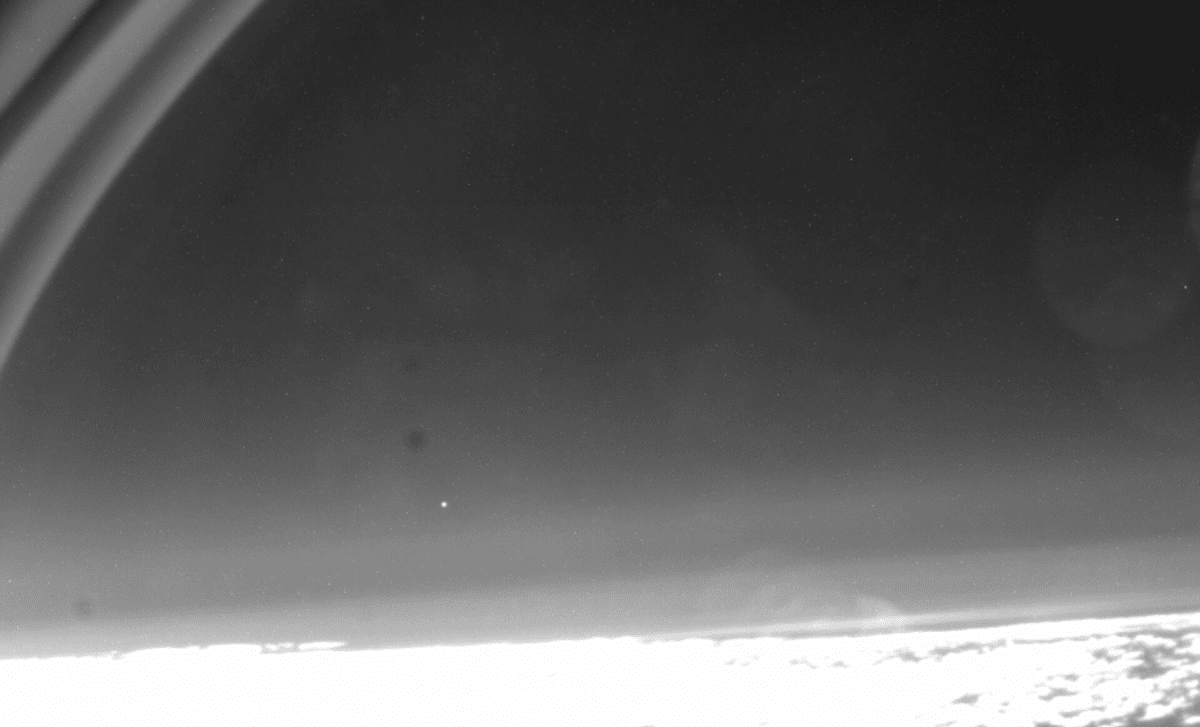
For 25 years, the European Space Agency's Cluster mission has journeyed through space, unveiling the complex dynamics of solar winds and their crucial effects on Earth's protective environment. What once faced numerous hurdles transformed into a remarkable story of scientific achievement. As the mission concludes in 2024, its contributions stand among the most influential in contemporary space science, offering invaluable knowledge about the forces that safeguard our planet from solar disturbances.
Revolutionary Advances in Understanding Solar Wind Interactions
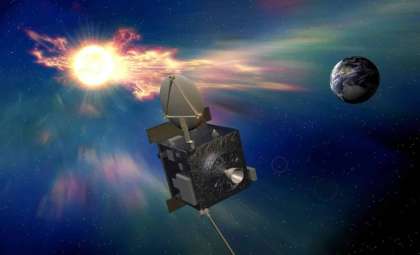
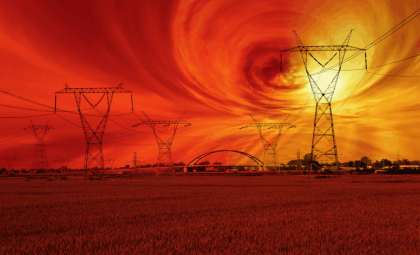
Launched in 2000, the Cluster mission concentrated on unraveling the intricate relationship between solar wind particles and Earth's magnetosphere. These high-speed charged particles emitted by the Sun are generally deflected by our planet's magnetic field, shielding life below. Yet, this defense is imperfect, as solar storms can still interfere with communications, power infrastructures, and atmospheric conditions. The four Cluster satellites orbited Earth for over two decades, delivering a unique perspective on these powerful processes.
As highlighted by Phys.org, the mission's multi-point observations enabled researchers to track solar wind properties in real-time, shedding light on events such as geomagnetic storms and auroral phenomena. These insights have been pivotal for advancing predictive space weather models, helping to mitigate risks from solar activity that could potentially disrupt modern technologies.

Decoding the Influence of Solar Winds on Earth’s Magnetic Environment
The objective of the Cluster mission extended beyond data collection to illuminate how solar winds shape the Earth's magnetic environment. These streams of charged particles propel geomagnetic storms that can disturb satellite functionality, GPS navigation, and electricity networks worldwide.
By examining the interplay between solar wind and Earth’s magnetosphere—the invisible magnetic shield enveloping the planet—scientists gained a comprehensive understanding of geomagnetic dynamics. The Cluster mission’s distinctive configuration of four satellites enabled simultaneous measurements from multiple vantage points, delivering a spatially complex view of space weather events.
Beyond expanding fundamental space physics knowledge, the mission improved forecasts of solar activity’s effects on technological systems and human health in space, informing the design of future space missions and astronaut safety protocols against radiation exposure.
The Dedicated Team Fueling the Cluster Mission’s Success
Behind the scientific achievements of the Cluster mission lies a narrative of resilience and dedication. Originating amid the sorrow of a prior mission failure, it blossomed into a testament of collaborative innovation and tenacity.
Scientists and engineers, including notable figures like Arnoud Masson, C. Philippe Escoubet, and Gill Watson, invested decades ensuring the mission’s continuity and data quality. Their collective passion and perseverance are chronicled in ESA’s documentary Seas of the Sun, offering an intimate look at the journey and commitment fueling this groundbreaking space endeavor.
- Categories:
- News





0 comments
Sign in to Comment