
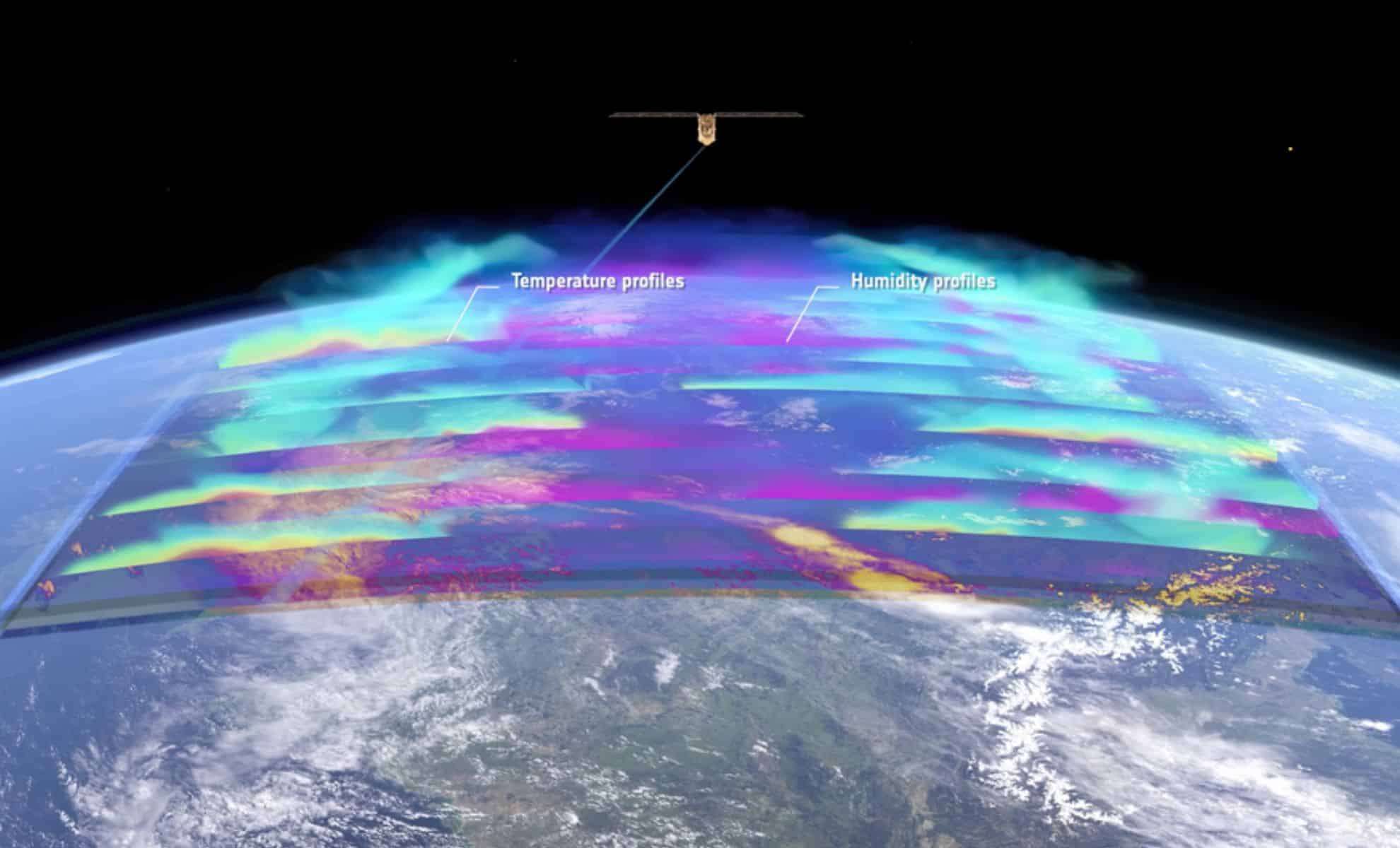
Developed by the European Space Agency (ESA), the Arctic Weather Satellite is pioneering advancements in meteorological forecasting and environmental research. Initially created as a prototype for the upcoming EPS-Sterna satellite network, its successful deployment has already enhanced daily weather predictions by delivering essential atmospheric humidity and temperature measurements. This compact yet powerful satellite is revolutionizing the accuracy and responsiveness of forecasts, particularly across the challenging Arctic environment.
Compact Satellites Delivering Critical Weather Intelligence
Designed, developed, and launched in just three years, the Arctic Weather Satellite exemplifies the “New Space” philosophy, prioritizing rapid invention and budget-conscious engineering. This small platform supplies vital, precise data snapshots that play a key role in shaping reliable weather models. Its data is now fully integrated into the European Centre for Medium-Range Weather Forecasts’ (ECMWF) operational systems, marking a notable achievement in satellite-assisted forecasting.
Advancing Sustainable Monitoring of Arctic Weather
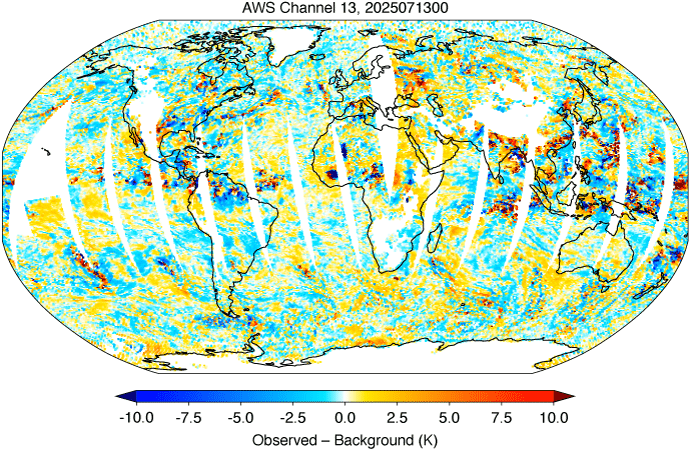
A distinctive feature of the Arctic Weather Satellite is its capability to gather observations from the “sub-millimeter” spectral region, offering unprecedented views of ice cloud formations that were previously tough to track. Its microwave radiometer operates at wavelengths below 1 millimeter, enhancing and complementing data from larger satellites to deepen our understanding of atmospheric processes. Ville Kangas, ESA’s Arctic Weather Project Manager, states, “We are extremely proud of this mission. While we were confident that our New Space approach to developing and building the satellite would succeed, its performance in orbit has far exceeded our expectations.”

Cutting-Edge Data Integration Improving Forecast Precision
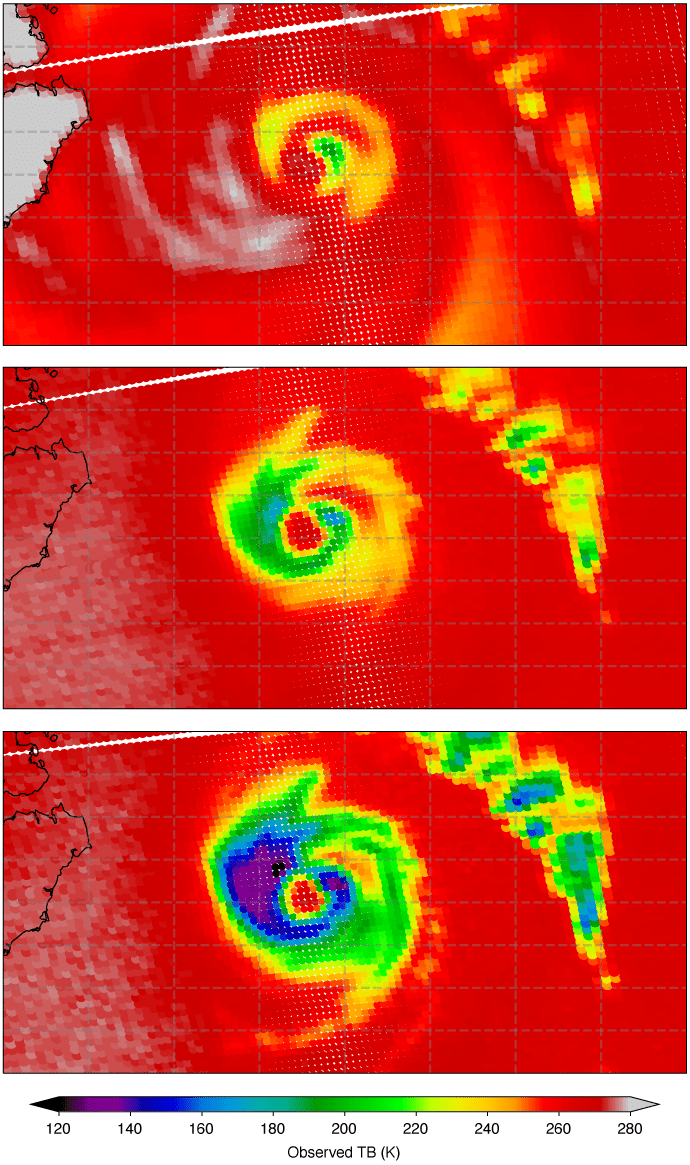
The Arctic Weather Satellite’s dataset, combined with other meteorological inputs, is incorporated into short-term predictive models to refine Earth’s weather forecasts. This integration allows ECMWF to enhance wind predictions, visible in forecast maps through marked improvements. Additionally, the satellite’s advanced sensing technology provides sharper images of intense weather events like typhoons by capturing colder atmospheric brightness temperatures. This innovative data assimilation approach strengthens the global capability for accurate weather forecasting.
EPS-Sterna Constellation: Envisioning Enhanced Arctic Surveillance
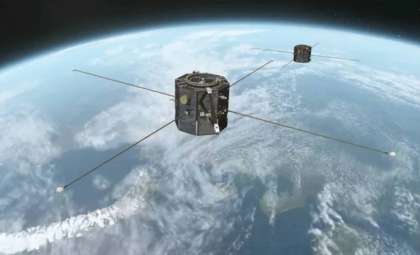
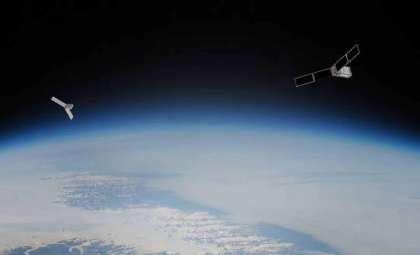
Beyond its role as a standalone instrument, the Arctic Weather Satellite is a stepping stone toward the ambitious EPS-Sterna array. This planned network of six satellites will offer continuous, near real-time meteorological data to support Arctic weather forecasting and climate studies. Scheduled for periodic upgrades through three refresh cycles, the constellation aims to deliver comprehensive temporal coverage and essential long-term datasets for understanding evolving Arctic weather dynamics.
A Vital Tool for Arctic Climate Science
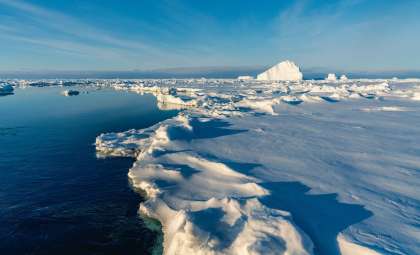
The Arctic is warming more rapidly than other regions, triggering significant changes that influence global weather systems. Monitoring these transformations is crucial for predicting worldwide climatic shifts. The Arctic Weather Satellite, together with the future EPS-Sterna constellation, will provide critical insights to advance climate science focused on the Arctic. As Ville Kangas emphasizes, “And given that it is only a demonstrator – a precursor to a potential constellation of satellites capable of delivering an almost continuous stream of data for very short-term weather forecasting in the Arctic and beyond – we couldn’t be more delighted.”
- Categories:
- News







0 comments
Sign in to Comment