
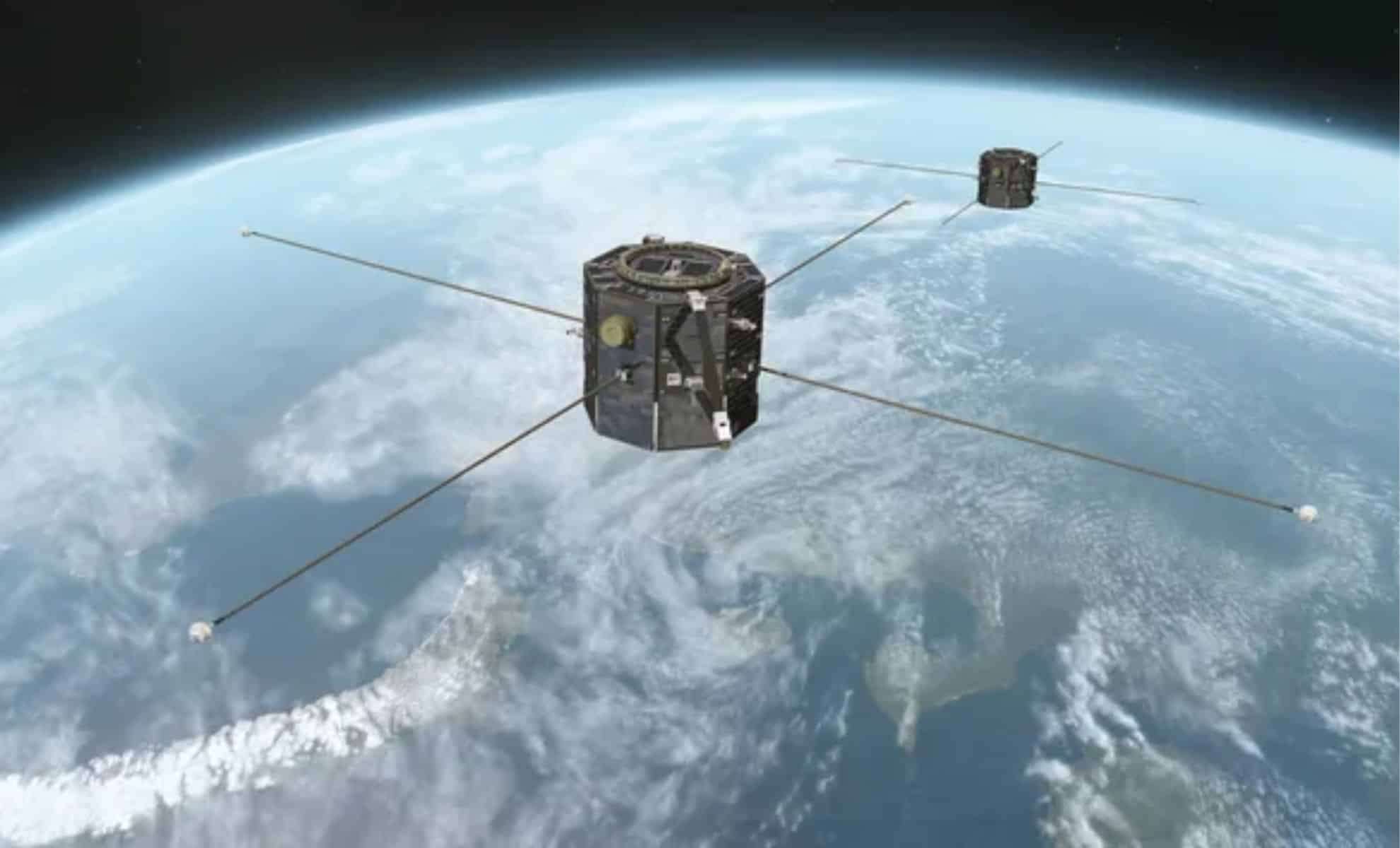
This July, NASA will launch a pair of innovative satellites designed to investigate how solar wind interactions influence Earth’s magnetosphere. Named the Tandem Reconnection and Cusp Electrodynamics Reconnaissance Satellites (TRACERS), this mission aims to deepen our understanding of solar storm dynamics and their effects on our planet’s magnetic shield. This initiative by NASA is a significant step toward enhancing knowledge of space weather phenomena, crucial for protecting communication networks, power infrastructure, and satellites that are integral to modern life. As solar disturbances increasingly threaten technological systems, the TRACERS mission seeks to improve our capacity to forecast and lessen these cosmic hazards.
Delving into Magnetic Reconnection
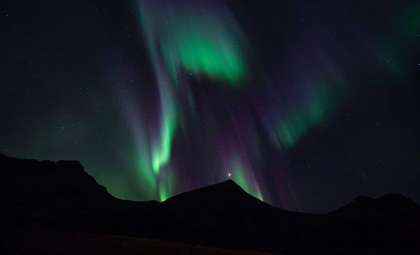
TRACERS focuses heavily on magnetic reconnection — a critical process where solar wind encounters Earth’s magnetic field, causing the magnetic lines to break and reconnect. This event unleashes massive energy bursts into Earth’s atmosphere, energizing charged particles that produce auroras. However, studying this phenomenon has been challenging since prior missions only captured isolated moments, lacking real-time observation of the full reconnection sequence.
David Miles, the principal investigator from the University of Iowa, highlights the importance of this research for understanding solar-terrestrial energy exchange. He explains, “TRACERS will explore how the sun’s energy interacts with near-Earth space, revealing how this connection evolves over time and space,” a key to predicting disruptive space weather effects on technologies both in orbit and on the ground.

A Dual-Satellite Strategy
The defining characteristic of TRACERS lies in its deployment of two satellites flying closely together. This twin-satellite setup enables simultaneous measurements of magnetic reconnection, giving scientists the ability to compare near-identical data points and produce a more detailed timeline of the space weather changes.
Miles describes their synchronized flight path: “One satellite will fly through a region, followed by the other just two minutes later,” enhancing measurement precision well beyond previous single-satellite missions and capturing the real-time progression of space weather events.
Enhancing Solar Storm Forecasting to Safeguard Vital Systems
With solar storms posing increasing threats to essential infrastructure—including communication networks, GPS, power grids, and space-based technologies—the TRACERS mission is poised to advance our predictive capabilities. Joe Westlake, head of NASA’s Heliophysics Division, emphasized, “Insights from TRACERS will be crucial to understanding and ultimately forecasting how solar energy affects Earth’s environment and the technological systems we rely on, from satellites to ground operations and astronaut safety.”
By delivering more precise data on solar wind-magnetosphere interactions, TRACERS will bolster space weather predictions, enabling better preparation against storm-related disruptions to society’s critical technologies.
Collaborative Efforts with NASA’s Heliophysics Missions
Operating alongside NASA’s established heliophysics projects like the Magnetospheric Multiscale Mission (MMS) and the Polarimeter to Unify the Corona and Heliosphere (PUNCH), TRACERS will enrich the collective study of solar wind phenomena. This collaborative approach offers different observational perspectives, improving our overall grasp of the complex interplay between the sun and Earth’s surrounding space.
Westlake notes, “TRACERS adds to the existing fleet of missions enhancing our comprehension of solar activity and space weather, helping to devise better strategies to mitigate their impacts.” Combined, these missions constitute a crucial network monitoring solar activity, paving the way for more accurate space weather forecasting and greater protection from solar storm effects.
- Categories:
- News







0 comments
Sign in to Comment