
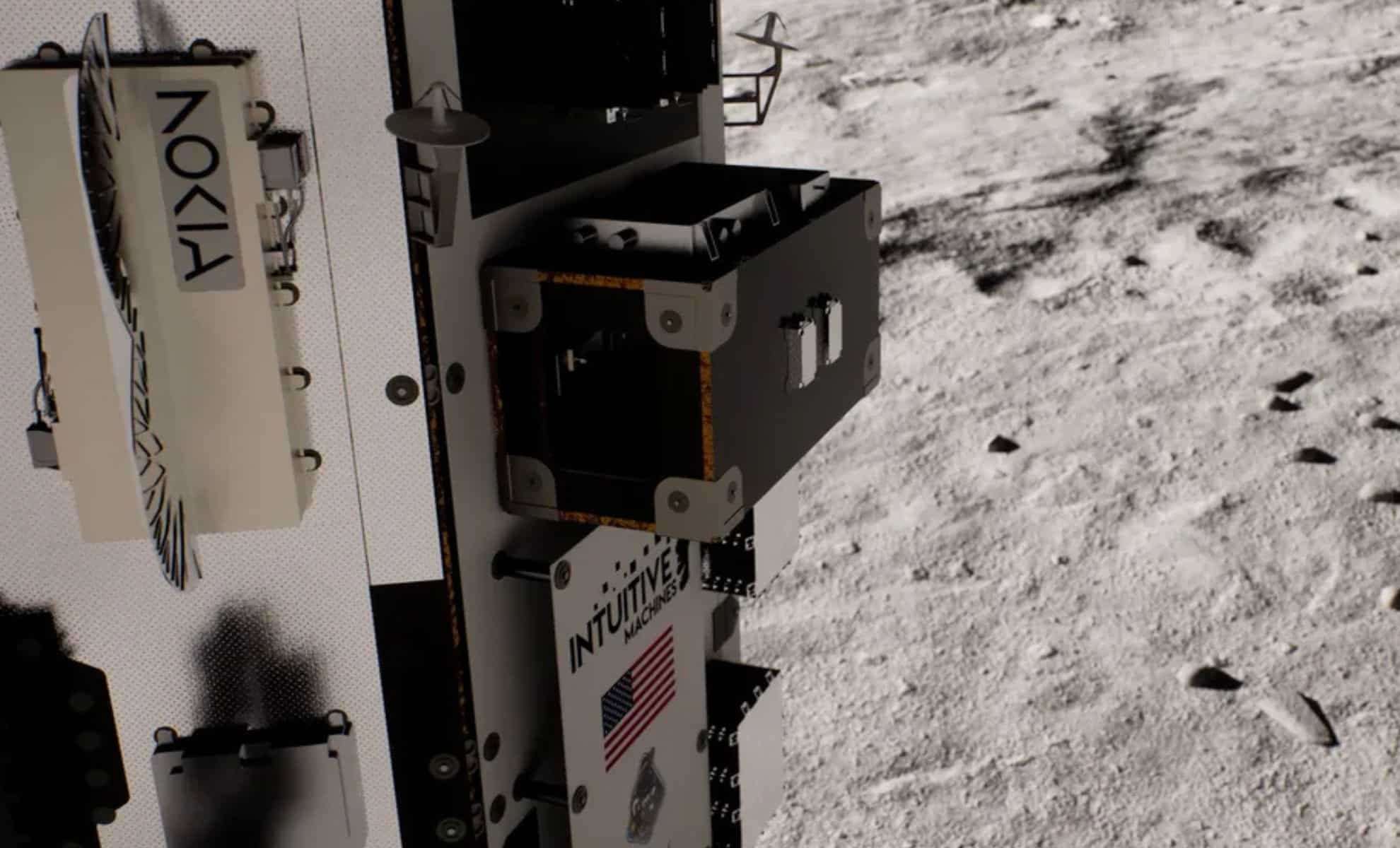
For the first time ever, the Moon is poised to host a 4G cellular network, marking a major breakthrough in extraterrestrial communications. Developed by Nokia Bell Labs in partnership with NASA, this advanced system will soon be installed on the lunar surface, ushering in a novel era of connectivity for Moon explorations. Moving beyond the limitations of conventional radio communication used in earlier missions, this 4G network promises high-speed and dependable communication for rovers, landers, and astronauts alike.
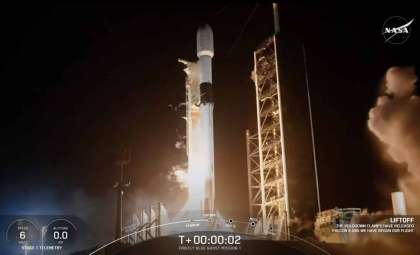
Scheduled to be launched soon aboard Intuitive Machines’ Athena lander, this network will play a pivotal role in the future of lunar exploration. It aims to accelerate data transmission rates, allowing real-time sharing of images and videos, streamlined scientific data gathering, and remote control of lunar vehicles. As NASA’s Artemis initiative prepares for human missions on the Moon after decades, this network represents a critical building block for sustainable human activity beyond our planet.
A Groundbreaking Advancement in Moon Communications
As reported by IFLScience, the 4G system will be deployed during Intuitive Machines’ second lunar mission, with the Athena lander aiming for a site near Shackleton Crater. This crater benefits from near-constant sunlight and is thought to house valuable ice deposits, making it a promising location for future human exploration and resource utilization. Reliable communication here is essential to support mission objectives.

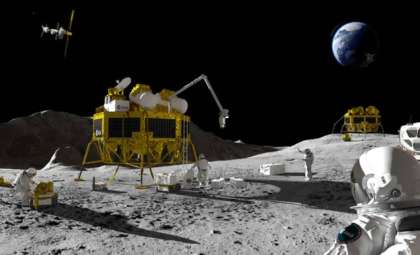
The Lunar Surface Communication System (LSCS), created by Nokia Bell Labs, is designed as a self-contained, efficient network linking various lunar vehicles, including:
- The Nova-C Lander – Serving as the primary command center
- The MAPP Rover – A rover tasked with prospecting for lunar resources
- The Micro-Nova Hopper – A hopping robot capable of traversing challenging terrain
By facilitating continuous communication among these machines and transmitting data directly to Earth, this network promises to improve navigation, coordination, and scientific returns from upcoming lunar missions.
Conquering Harsh Lunar Conditions
Implementing 4G technology on the Moon requires overcoming formidable challenges. Temperatures on the lunar surface fluctuate wildly, reaching highs of 250°F (121°C) during the day and plunging to lows of -208°F (-133°C) at night, with shadowed craters experiencing dips to -410°F (-246°C).
The regolith covering the Moon is abrasive and jagged, posing a risk of damaging equipment. Engineers designed the LSCS to endure these extreme conditions, ensuring it survives the rigors of launch, landing, and prolonged operation on the lunar surface.
Despite the difficulties, the LSCS is crafted to be both energy-efficient and robust, delivering sustained and reliable communications vital for extended exploration endeavors.
Why the Lunar 4G Network Is a Game-Changer
The introduction of the first 4G network on the Moon is not merely an upgrade but a transformative development for space exploration. Enabling real-time data exchange will significantly enhance robotic missions, scientific output, and ultimately support human habitats on the lunar surface.
Thierry E. Klein, President of Bell Labs Solutions Research at Nokia, stated:
“We intend to prove that cellular technologies can provide the reliable, high-capacity, and efficient connectivity needed for future crewed and uncrewed missions to the Moon and eventually Mars.”
This advancement promises ripple effects beyond the Moon, potentially improving terrestrial 4G and 5G networks with stronger, more efficient connectivity worldwide.
Preparing for a New Dawn in Lunar Exploration
As NASA and commercial partners advance plans for sustained human presence on the Moon, establishing reliable communication infrastructure is just as crucial as ensuring fuel and life support supplies. The 4G network will provide the backbone for forthcoming lunar bases, facilitating astronaut communication, robotic assistance, and scientific activities.
This project highlights the increasing role of private companies in space exploration. Intuitive Machines, the first private firm to successfully land on the Moon, plans to refine its techniques and build on this achievement with upcoming missions.
As humanity moves closer to long-term lunar exploration and eventual journeys to Mars, this pioneering 4G lunar network sets the standard for interplanetary communications—demonstrating that consistent connectivity in space is essential, not optional.
- Categories:
- News








0 comments
Sign in to Comment