
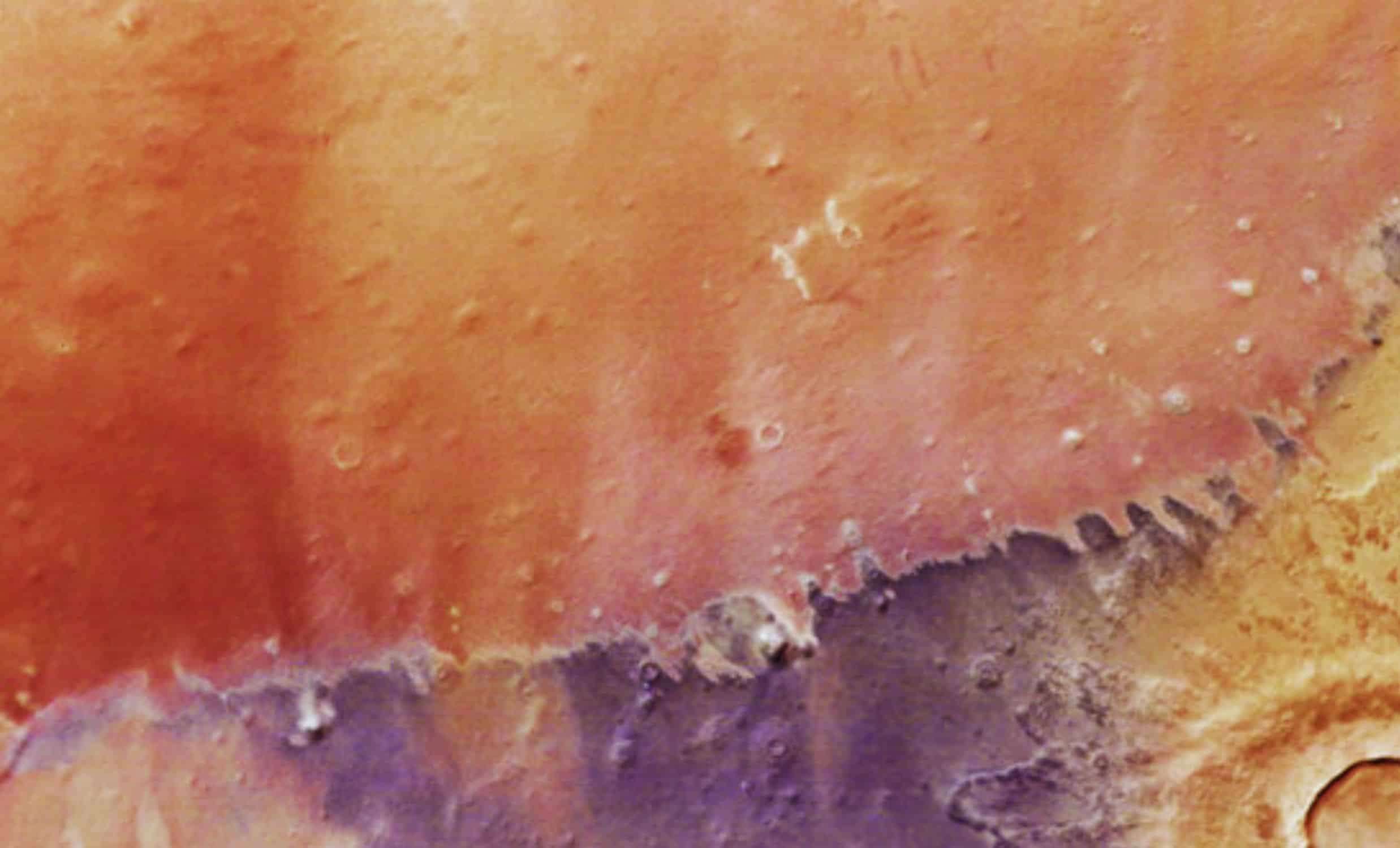
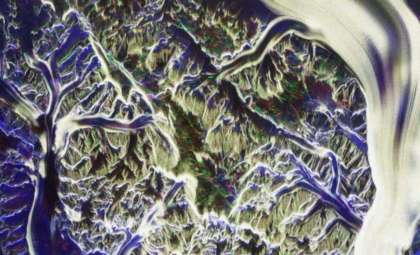
Mars has long been recognized by its signature rusty red color, often symbolizing a dry, inhospitable terrain. Yet, a fresh, detailed satellite photograph from the European Space Agency (ESA) challenges this common perception by revealing a vivid mosaic of colors on the Martian landscape. This captivating imagery captures the Arcadia Planitia region, highlighting a spectrum of earthy tones such as purples, yellows, and oranges. Captured by ESA’s Mars Express orbiter, the photo exposes the intricate geological and atmospheric dynamics shaping the planet’s surface.
The scene features a prominent impact crater, swirling dust devils, and complex mineral variations interwoven across the terrain. This snapshot enriches our comprehension of Mars' geological history and offers essential insights into its suitability for prospective manned missions.
Exploring Arcadia Planitia: Key Insights into Martian Geology
Situated just northwest of Olympus Mons, the solar system's tallest volcano, Arcadia Planitia stands as a significant region for Martian study. This area includes notable solidified lava deposits, aged at most 3 billion years, which provide valuable evidence about Mars’ volcanic past and its evolving surface. Scientists are especially interested in potential sub-surface water ice deposits, which could be critical resources for future explorers.

Researchers theorize that accessible water ice beneath Arcadia Planitia’s surface might position this zone as an excellent site for upcoming human missions. Such ice reserves could not only support astronaut survival but also offer clues about Mars’ capacity to sustain life forms historically. The presence of both volcanic remnants and possible water ice elevates the scientific and exploratory importance of this region.
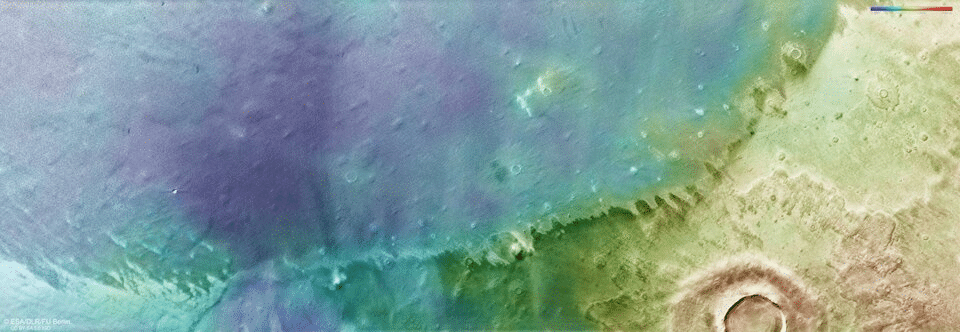
Dust Devils and Erosion: Forces Sculpting the Martian Terrain
A remarkable aspect of the new ESA photo is the depiction of dust devils—miniature tornadoes formed by rising warm air and dust movement on Mars. The image captures four such swirling dust columns traveling across Arcadia Planitia’s landscape, painting subtle streaks on the predominantly red and brown surface.
Beyond their visual appeal, dust devils are important for understanding Martian wind patterns and climate behavior. Studying these phenomena aids scientists in forecasting weather and assessing its implications for missions. Additionally, wind-driven erosion creates features known as yardangs, ridges sculpted by prevailing winds, contributing to the planet’s rugged and varied topography. These elements emphasize wind’s critical impact on Mars’ geological and atmospheric environment.
Prominent Impact Crater: Signs of Water and Recent Activity
In the lower right portion of the image lies a significant impact crater approximately 15 kilometers (9 miles) wide, serving as a focal point in ESA’s latest Mars image. The crater’s layered formations imply the previous presence of substantial water ice deposits. Minimal erosion surrounding the crater indicates a relatively recent event in Martian geological terms, offering clues into the planet’s surface transformations.
Identifying water ice within this crater's strata could reshape our understanding of the planet’s hydrological history and enhance prospects for sustainable human bases. Water availability is a cornerstone for life support and future utilized resources, making this impact site a crucial target for exploration and study.
What Creates Mars’ Rich Color Palette? Analyzing Surface Diversity
While Mars is famous for its red tint due to abundant iron oxide, ESA’s imagery exposes diverse hues ranging from purples and browns to yellows and oranges. These varying colors arise from differences in mineral content as well as atmospheric factors across the planet. For example, the purple-brown areas of Arcadia Planitia are rich in silicate minerals, which have lower iron levels, explaining their unique coloring.
In the red-toned upper regions, viewers can see yardangs—wind-eroded ridges where softer rock has been worn down, leaving harder rock formations prominent. This blend of mineral diversity, erosive forces, and atmospheric influences enriches the landscape’s complexity and aids researchers in unraveling Mars’ mineral composition and environmental evolution, advancing our knowledge of the planet’s habitability potential.
- Categories:
- News




0 comments
Sign in to Comment