
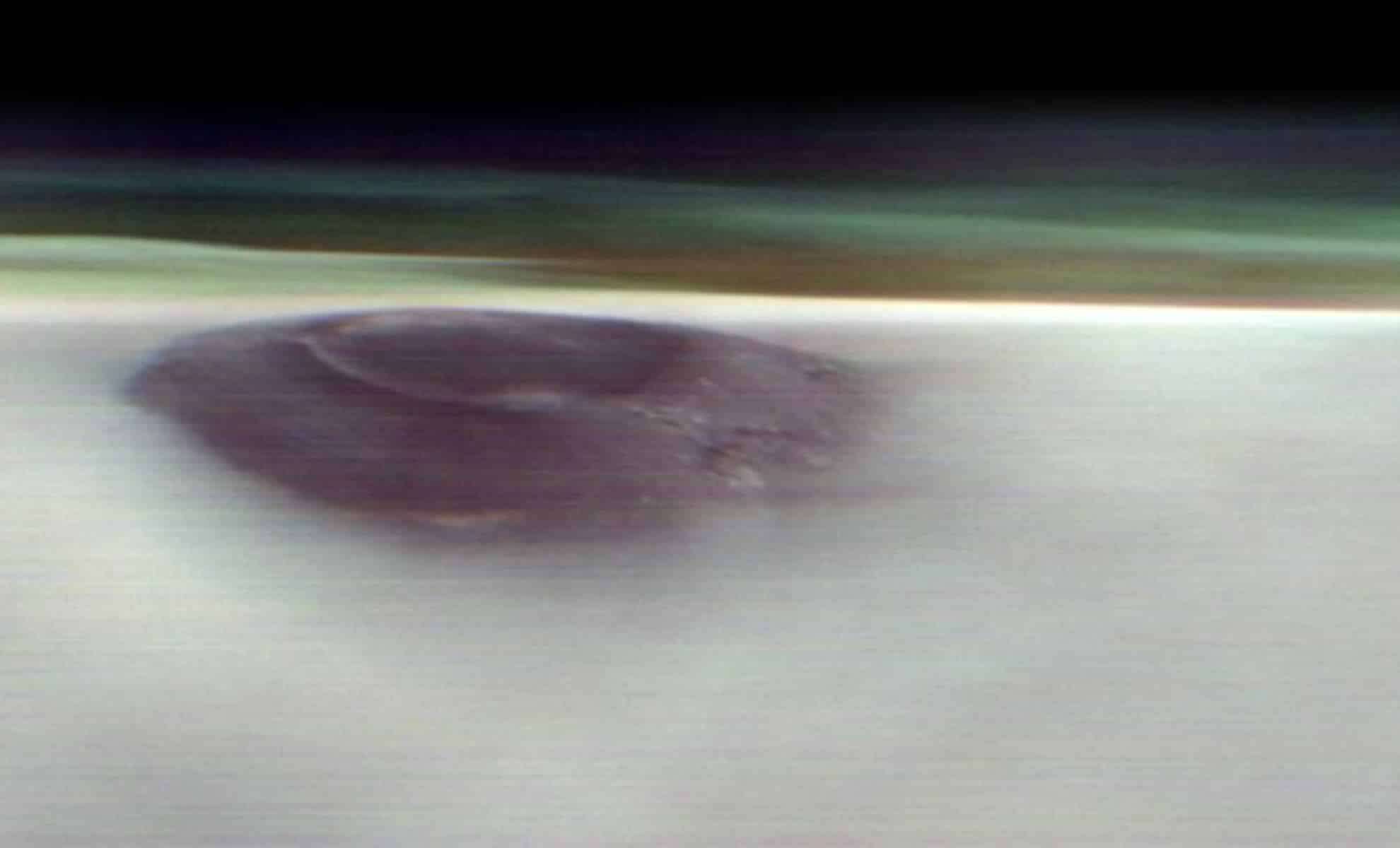
NASA’s Mars Odyssey orbiter recently unveiled a striking new image showcasing a colossal structure rising above the early morning clouds on Mars. Captured just before sunrise on May 2, 2025, and published by NASA’s Jet Propulsion Laboratory on June 6, this photo presents an extraordinary glimpse of Mars' horizon. This marks the first occasion where a feature of such magnitude has been observed from orbit breaching the cloud layer, offering a perspective more commonly associated with Earth-based space observations. The image was taken by rotating the spacecraft 90 degrees to capture the edge of the Martian atmosphere rather than the surface below.
A Majestic Peak Pierces the Martian Clouds
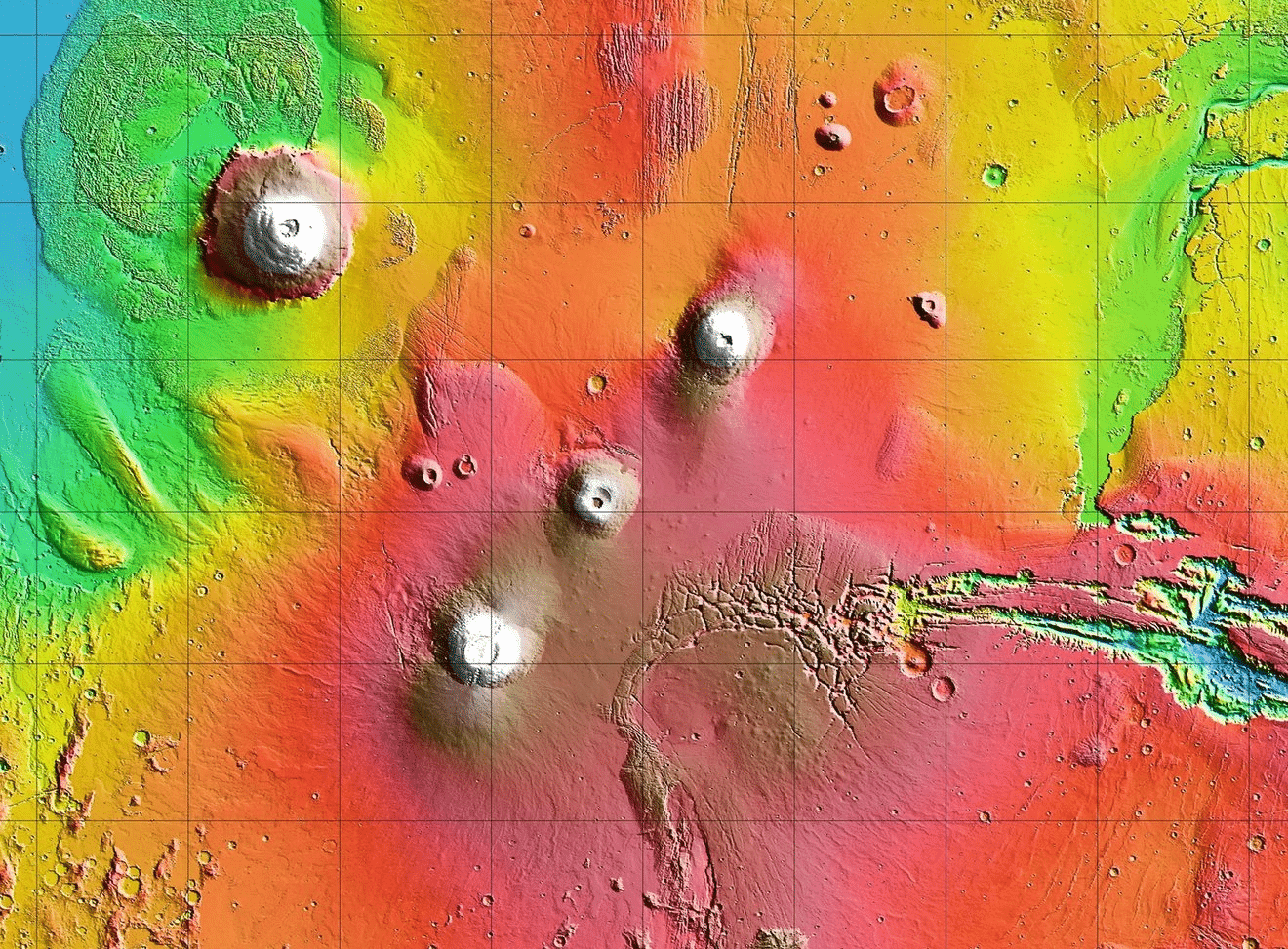
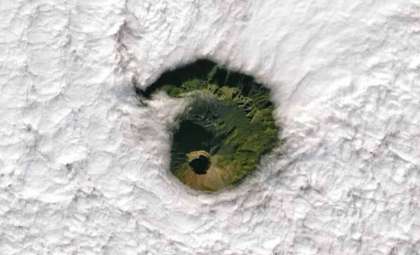
The image reveals a towering volcanic peak rising prominently through a misty cloud layer hovering close to Mars’ surface. Situated in the Tharsis region of Mars, this landmark appears to break through the upper atmosphere, resembling a sentinel guarding the planet’s edge. The enveloping clouds consist mainly of water ice that forms under the chilly pre-dawn conditions. The stark contrast between the glowing pale clouds and the dark, imposing peak creates a surreal and extraordinary scene. Jonathon Hill, who leads operations for Odyssey’s Thermal Emission Imaging System (THEMIS), shared, “We targeted this spot hoping to see the summit emerging above the early morning cloud cover. It truly exceeded our expectations.”
Seasonal Atmospheric Changes Shed Light on Martian Weather
This photo is part of a broader effort to analyze Mars’ upper atmosphere as it changes through the seasons. Since 2023, the Odyssey orbiter has been taking high-altitude horizon images that offer valuable information about cloud behavior, dust distribution, and atmospheric layering. Such data is improving the understanding of how Mars’ weather patterns evolve over time. “There are noticeable seasonal shifts in these horizon scenes,” explained Michael D. Smith, a planetary scientist at NASA's Goddard Space Flight Center. “This is offering fresh insights into the long-term evolution of Mars’ atmosphere.” Tracking these seasonal trends helps scientists comprehend the planet’s climate and its influence on surface conditions.


Cloud Dynamics Illustrate Mars’ Active Atmosphere
The peak often appears surrounded by thick morning clouds, especially during Mars’ aphelion—the point in its solar orbit farthest from the Sun. At this time, a broad equatorial cloud band forms, known as the aphelion cloud belt. These clouds develop when moist air rises over elevated terrain, cools quickly, and condenses. The newly revealed image vividly captures this atmospheric process, showing the volcano protruding through the mist like an island amid a foggy ocean. While the volcanic feature remains stationary, the changing cloud patterns around it demonstrate the Red Planet’s dynamic atmospheric activity.
Repurposing a Proven Workhorse for Atmospheric Exploration
Originally intended for capturing surface images, Odyssey’s THEMIS instrument has proven versatile in studying Mars’ atmosphere. It registers both visible and infrared light, enabling researchers to examine temperature variations, detect subsurface water ice, and observe Mars’ moons Phobos and Deimos. These abilities have allowed Odyssey — the longest-running active mission at Mars — to adapt and tackle evolving scientific objectives. By shifting focus to the horizon instead of the ground, THEMIS is enhancing knowledge of Mars’ climate system and producing breathtaking views previously thought unattainable.
- Categories:
- News






0 comments
Sign in to Comment