
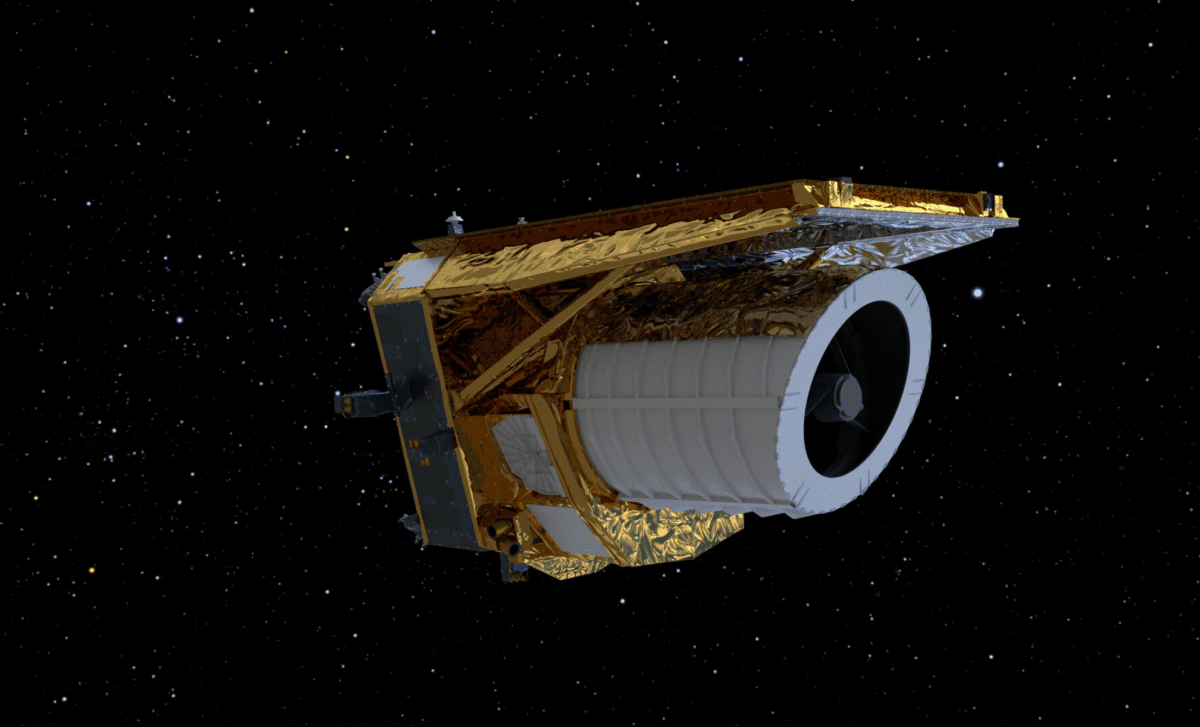
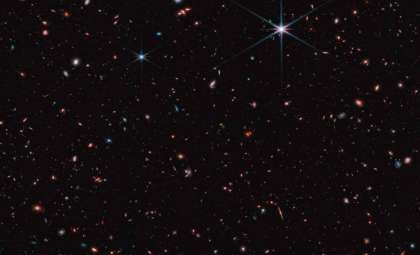
Within just twelve months of operation, the European Space Agency’s Euclid spacecraft has mapped an astonishing 1.2 million galaxies, opening new frontiers in our comprehension of how galaxies develop and transform across the cosmos. This pioneering mission is poised to reshape our cosmic perspective fundamentally.
Deciphering Galaxy Evolution
The core objective of Euclid is to chart the progression of galaxies by capturing detailed images of their structures over enormous expanses. This spacecraft uniquely pairs high-resolution imaging with a broad observational scope to survey the extragalactic sky comprehensively. As highlighted by Space.com, this combination enables unprecedented investigations into galaxy formation histories, allowing astronomers to systematically probe the evolution of galaxies and their cores, revealing the intricate mechanisms influencing their growth.
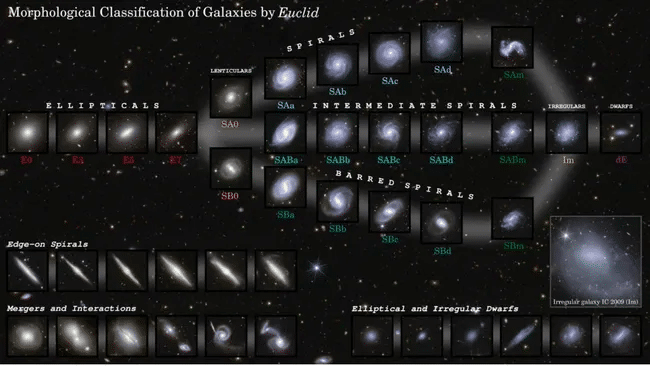
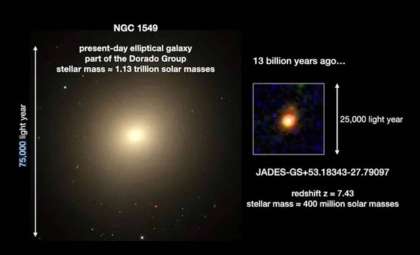
Euclid’s data offer captivating insights into the variety of shapes galaxies adopt through time. From spiral galaxies like our own Milky Way to enormous elliptical galaxies such as Messier 87, the mission has provided fresh understanding of their long-term transformations. A key outcome is the identification of a “galactic tuning fork” diagram, illustrating galaxies’ evolutionary path from vibrant, star-forming blue galaxies to older, more quiescent elliptical types. This diagram links their morphological changes with star-formation activity and the influence of galaxy mergers.

Supermassive Black Holes at the Heart of Galaxies
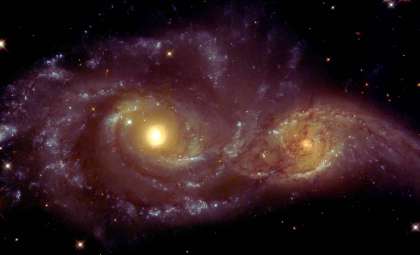
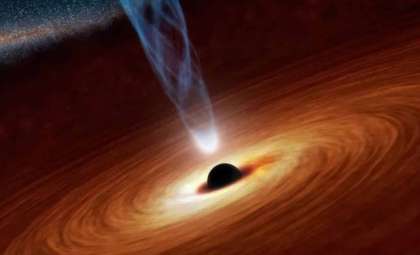
Among Euclid’s most thrilling discoveries in its inaugural year is the identification of galaxies hosting secondary nuclei. These features point to supermassive black holes that are nearing a merger phase.
“The most massive black holes lie at the centres of giant elliptical galaxies and are thought to grow primarily through mergers with other supermassive black holes,” says Maximilian Fabricius, a scientist at the Max Planck Institute for Extraterrestrial Physics (MPE).
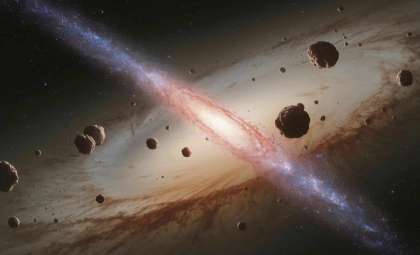
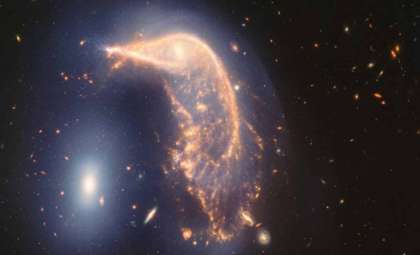
These colossal black holes, with masses millions to billions of times that of our Sun, play a crucial role in galactic evolution. When galaxies collide, their central black holes frequently form binary pairs, orbiting each other and producing gravitational waves. As they spiral ever closer, a final merger forms a larger single black hole. Observing these secondary nuclei enables researchers to monitor these interactions, deepening our understanding of black holes’ impact on their host galaxies.
Dwarf Galaxies as Cosmic Foundations
Euclid’s observations have also upended earlier beliefs about the universe’s most common galaxies. Contrary to expectations, the most prevalent types are not large spirals but rather small, faint dwarf galaxies. Previously challenging to detect, these galaxies are now being cataloged in remarkable detail. Euclid has documented thousands of such dwarf galaxies, illuminating their properties and significance in galactic development.
These diminutive galaxies are thought to serve as the fundamental building blocks for larger structures, including the Milky Way. Closer examination reveals features like compact blue cores and globular clusters, shedding light on the early phases of galaxy creation. Continuing its mission, Euclid is expected to expose further insights into the vital role these tiny galaxies play in shaping the universe’s grand architecture.
Future Horizons for the Euclid Mission
With only its first year completed, Euclid’s journey is just beginning. Scheduled to operate for six years, it aims to survey tens of millions of galaxies in exquisite detail. As Maximilian Fabricius notes, the ability to map the vast extragalactic sky is transformative:
“We can systematically study how the shapes and central structures of galaxies relate to their formation history on truly cosmic scales.”
The immense trove of data is expected to yield groundbreaking findings on the forces driving galaxy and black hole evolution.
As the Euclid mission advances, astronomers will refine their theories on how galaxies form, merge, and grow. This ongoing survey promises continual breakthroughs, delivering deeper insights into the universe’s complex dynamics.
- Categories:
- Space





0 comments
Sign in to Comment