
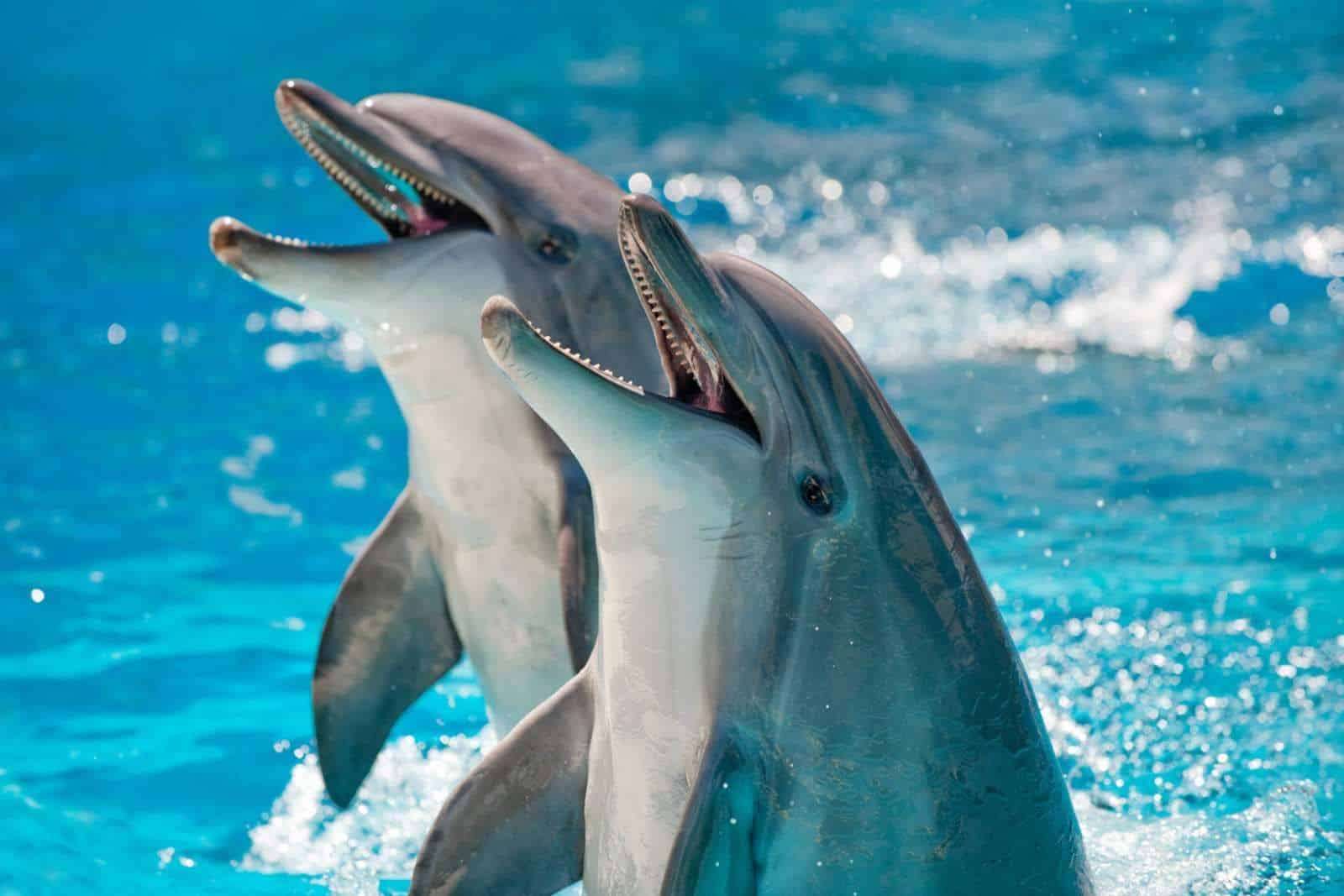
A study published in July 2023 in Proceedings of the Royal Society B reveals that marine mammals such as dolphins and orcas have surpassed an irreversible evolutionary threshold. Once terrestrial creatures, these mammals have become so highly specialized for aquatic existence that returning to land is no longer viable. This finding offers new insights into the permanence of certain evolutionary changes and their implications for biodiversity.
The Journey Back to the Sea
Throughout Earth’s history, many species have transitioned between land and water. Roughly 375 million years ago, the earliest fish ventured onto land, evolving into tetrapods—the ancestors of all terrestrial vertebrates. Then, approximately 250 million years ago, some mammals began the reverse transition, moving back into aquatic environments. This shift occurred multiple times, resulting in the evolution of whales, dolphins, and orcas.
Adapting to marine life involved profound changes. These mammals developed larger bodies to conserve heat in cold waters, adopted carnivorous diets to sustain energy-demanding lifestyles, and underwent significant anatomical transformations, enabling exceptional swimming and diving capabilities.

Why the Return to Land Is Impractical
The evolutionary puzzle was extensively analyzed by Bruna Farina, a Ph.D. candidate at the University of Fribourg, Switzerland. Reviewing data from over 5,600 mammal species, her research categorized mammals by their habitat use, from fully terrestrial to completely aquatic species.
Her conclusion pointed to a critical threshold separating semi-aquatic and fully aquatic mammals, beyond which evolutionary traits become essentially fixed. This aligns with Dollo’s law—a principle stating that evolution does not generally reverse.
Implications for Modern Marine Mammals
This breakthrough deepens our understanding of evolutionary processes and marine biodiversity. Dolphins and orcas are effectively locked into their aquatic adaptations, which excellently serve their ocean habitats but prevent a return to terrestrial life.
Given current environmental challenges, such as global warming and ocean pollution, these animals’ limited adaptability raises concerns about their long-term survival. Their fate is closely tied to the preservation of ocean ecosystems, emphasizing the urgency of targeted conservation efforts.
Future Research Directions
While focusing on mammals, this research opens doors for exploring similar evolutionary patterns in other vertebrate groups. Virag Sharma, a comparative genomics expert from the University of Limerick, suggests investigation into amphibians and reptiles may uncover widespread evolutionary constraints.
These findings remind us that evolution is complex and often irreversible. Critical questions remain: How do permanent specializations affect species’ ability to cope with environmental changes? Are there other irreversible transitions among animals? And what strategies can best support the conservation of highly specialized species?
Understanding the irreversible adaptations of marine mammals not only sheds light on Earth’s evolutionary history but also informs how species might confront future environmental challenges.
- Categories:
- Evolution






0 comments
Sign in to Comment