
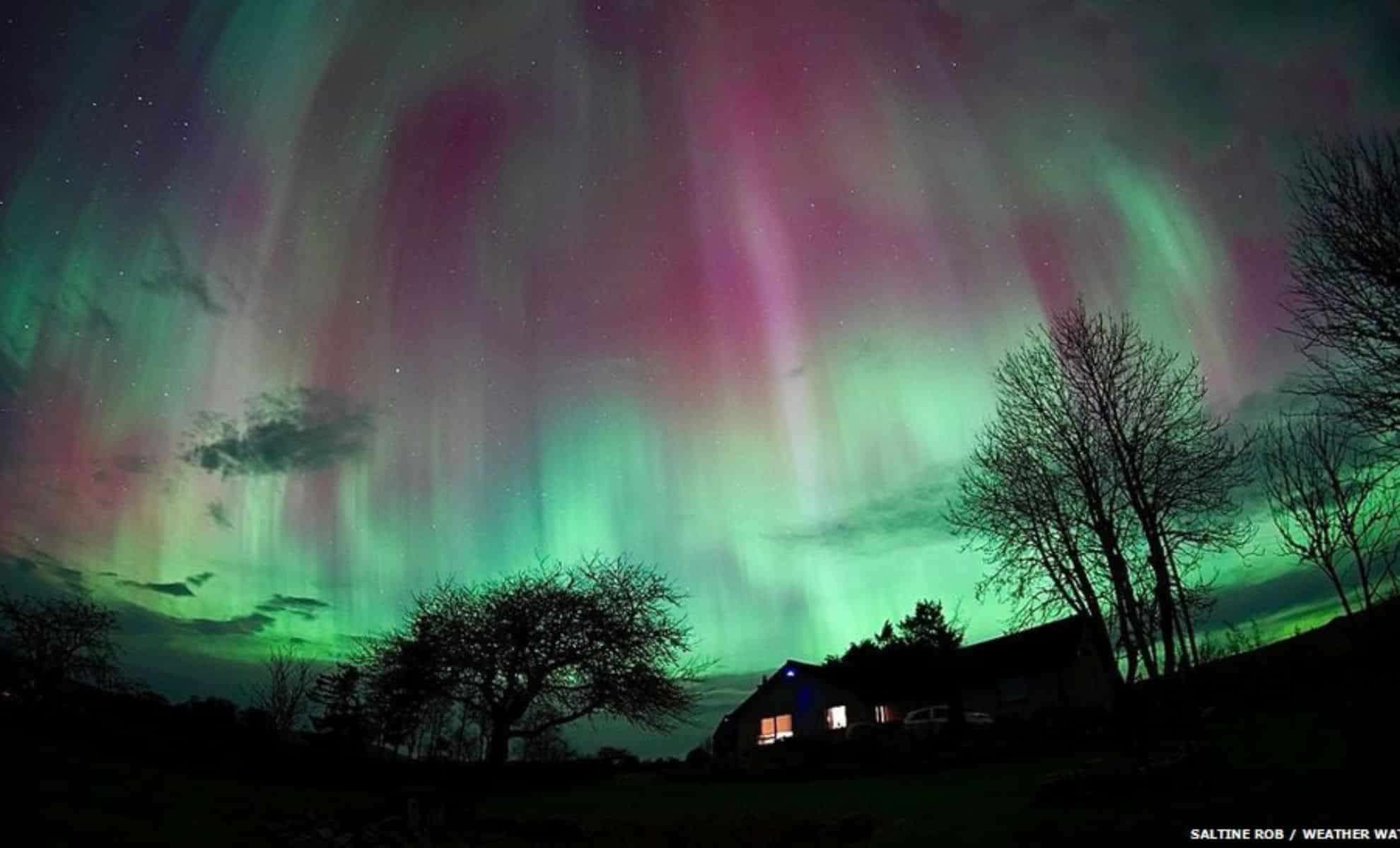
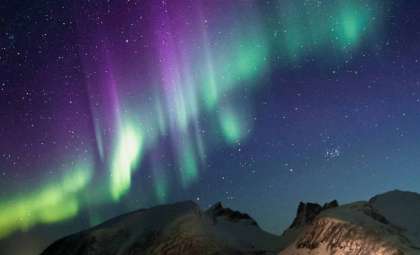
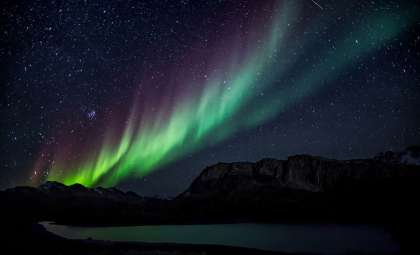
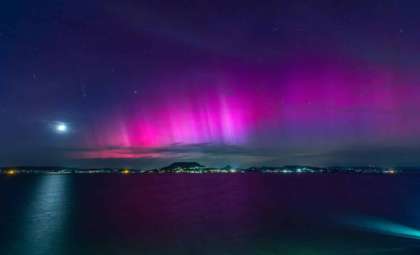
Sky enthusiasts nationwide have a unique opportunity this evening as the northern lights may illuminate skies much farther south than usual. Due to an intense geomagnetic storm, experts predict the vibrant aurora borealis could be spotted as far down as states like Pennsylvania, Illinois, and Oregon, an extraordinary event typically seen near the poles.
Earlier today, the National Oceanic and Atmospheric Administration (NOAA) issued a warning following a surge in solar activity accompanied by a forecast of strong geomagnetic disturbances. These conditions might culminate in one of the most widespread aurora occurrences seen recently.
The Solar Storm Behind Tonight’s Aurora
The spectacle is driven by a coronal mass ejection (CME), an enormous release of solar plasma mixed with a magnetic field unleashed from the Sun’s surface. When such an ejection encounters Earth’s magnetic shield, it often triggers a geomagnetic storm.

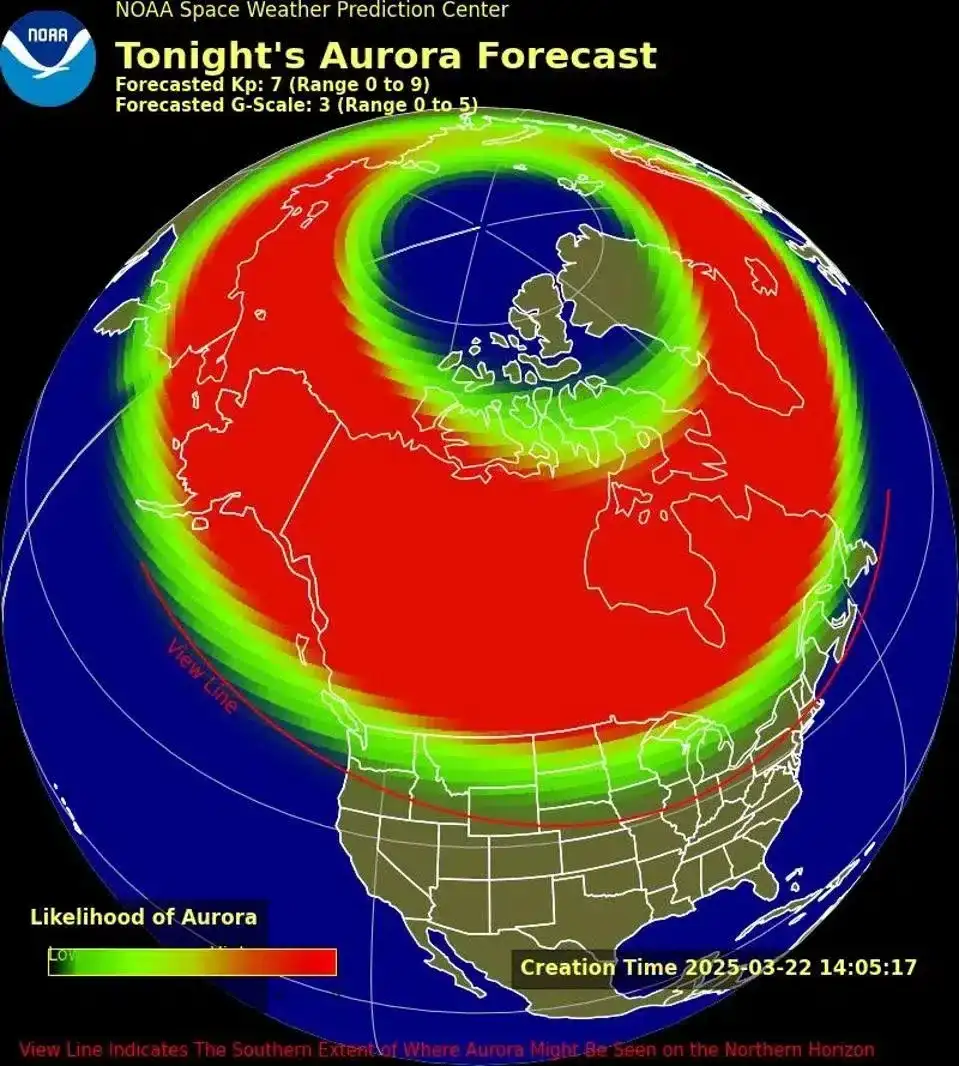
According to Forbes, this CME is expected to reach our planet during the night, producing a Kp index level of 7 on NOAA’s 0–9 geomagnetic scale. This indicates a vibrant and active aurora capable of extending far beyond its usual high-latitude range.
This event aligns with the increasing solar activity associated with the Sun’s 11-year cycle, currently nearing its peak known as the solar maximum. At this stage, solar flares and storms become more frequent, intensifying auroras, which can occasionally be viewed as far south as states like Texas and Florida, mirroring the historic events of last year.
Regions with the Best Aurora Visibility
NOAA’s forecast highlights the following regions as having the highest chances to witness the northern lights tonight:
- Very high probability: Alaska, northern parts of Montana, North Dakota, and Minnesota
- Moderate probability: Washington, Idaho, Wyoming, South Dakota, Wisconsin, Michigan
- Lower but possible chances: Oregon, Nebraska, Iowa, Illinois, Indiana, Ohio, Pennsylvania, New York, Massachusetts, Vermont, New Hampshire, and Maine
Even outside these areas, faint auroral glows may appear along the northern horizon, especially in spots free from light interference and with clear weather.
Optimal Viewing Windows and Tips
The best opportunity to spot the aurora is between 10:00 p.m. and 2:00 a.m. local time, a period when darkness peaks and Earth faces the incoming solar wind most directly.
For the clearest experience, consider the following advice:
- Distance yourself from urban light pollution
- Seek elevated locations or unobstructed northern vistas
- Keep an eye on weather conditions—thin clouds can diminish visibility
- Use a camera with long exposure or night mode to capture more subtle lights
National Geographic suggests that smartphones using night mode, wide-angle lenses, and tripods can significantly improve your chances of photographing the aurora.
- Categories:
- News





0 comments
Sign in to Comment