
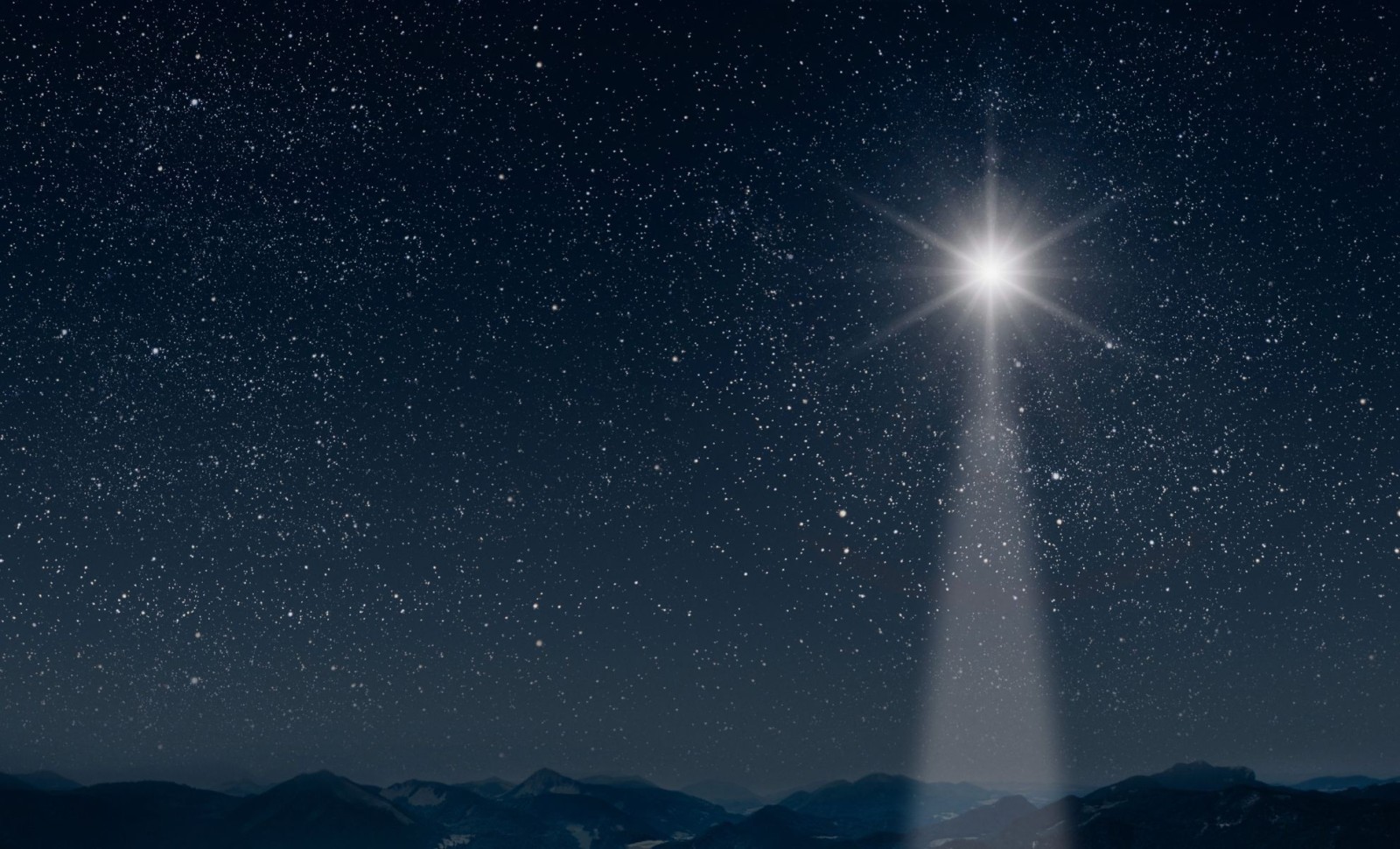
Stargazers across North America are in for an extraordinary treat this week with a selection of remarkable astronomical phenomena. Notably, the luminous Star of Bethlehem will grace the skies, alongside the active Geminid meteor shower. As the winter solstice ushers in the cold season, these celestial events offer some of the most magnificent sights of the year.
The week begins with a slender crescent moon visible at dawn, building anticipation for an array of stunning sky events, including the spectacular conjunction known as the Star of Bethlehem and the peak activity of the Geminid meteors.
The Star of Bethlehem: A Stunning Planetary Alignment
Among this week’s standout highlights is the Star of Bethlehem, an event inspired by the iconic star from Christian lore. This brilliant sighting happens when planets such as Jupiter and Saturn come into conjunction, creating a star-like glow that lights up the night sky.

Forbes reports that while the Star of Bethlehem isn’t an uncommon occurrence, the timing and brightness of this particular alignment stand out. The pairing of Jupiter and Saturn will shine particularly brightly, visible across much of the Northern Hemisphere, mimicking a dazzling star.
The Geminid Meteor Shower: One of Winter’s Best Displays
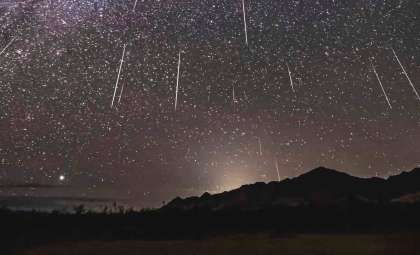
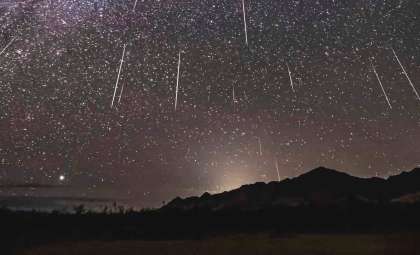
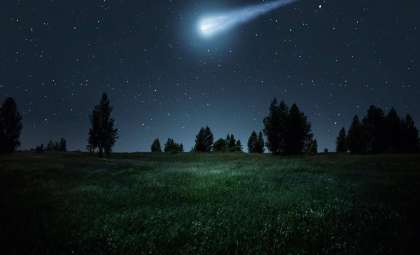
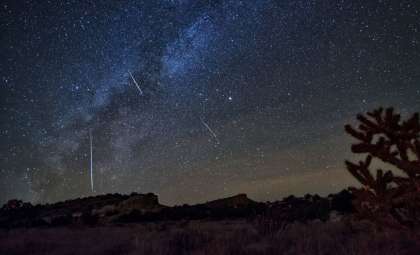
The Geminid meteor shower reaches its peak this week and remains one of the year’s most eagerly awaited meteor showers. Active from December 4 to 17, the Geminids dazzle with numerous bright meteors streaking overhead during the dark hours of the night. This shower is distinctive since it originates from the asteroid 3200 Phaethon, rather than a typical comet source, lending the meteors an especially vivid quality.
EarthSky notes that the Geminids can deliver a peak rate of up to 120 meteors per hour, making it one of the most productive meteor showers annually. Although optimal viewing is best after midnight when skies are darkest, the meteors can be observed even earlier in the evening.
Prime Conditions for Stargazing: New Moon Meets Winter Solstice
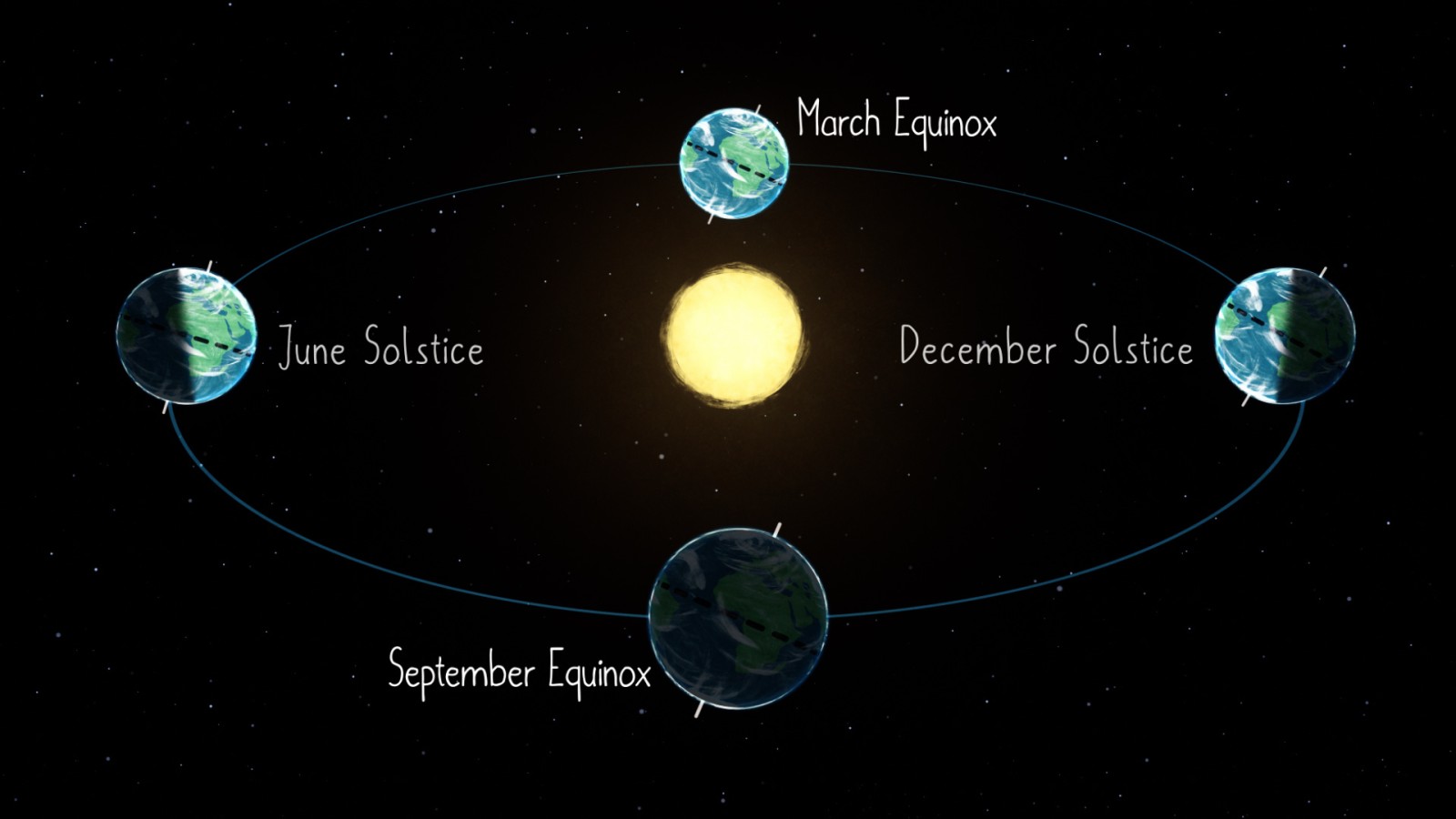
The week also brings the arrival of the winter solstice, marking the shortest daylight hours of the year. Occurring soon after the new moon on December 16, 2025, these events combine to produce excellent conditions for nighttime sky watching. The dark skies made possible by the new moon enhance the visibility of both the Star of Bethlehem and the Geminid meteor shower.
This conjunction of the new moon and the solstice provides a prime opportunity for observers. With no interfering moonlight, meteor activity appears more brilliant, while the solstice symbolizes renewal across many cultures, signifying the return of lengthening days as Earth’s tilt shifts toward the Sun.
- Categories:
- News


0 comments
Sign in to Comment