
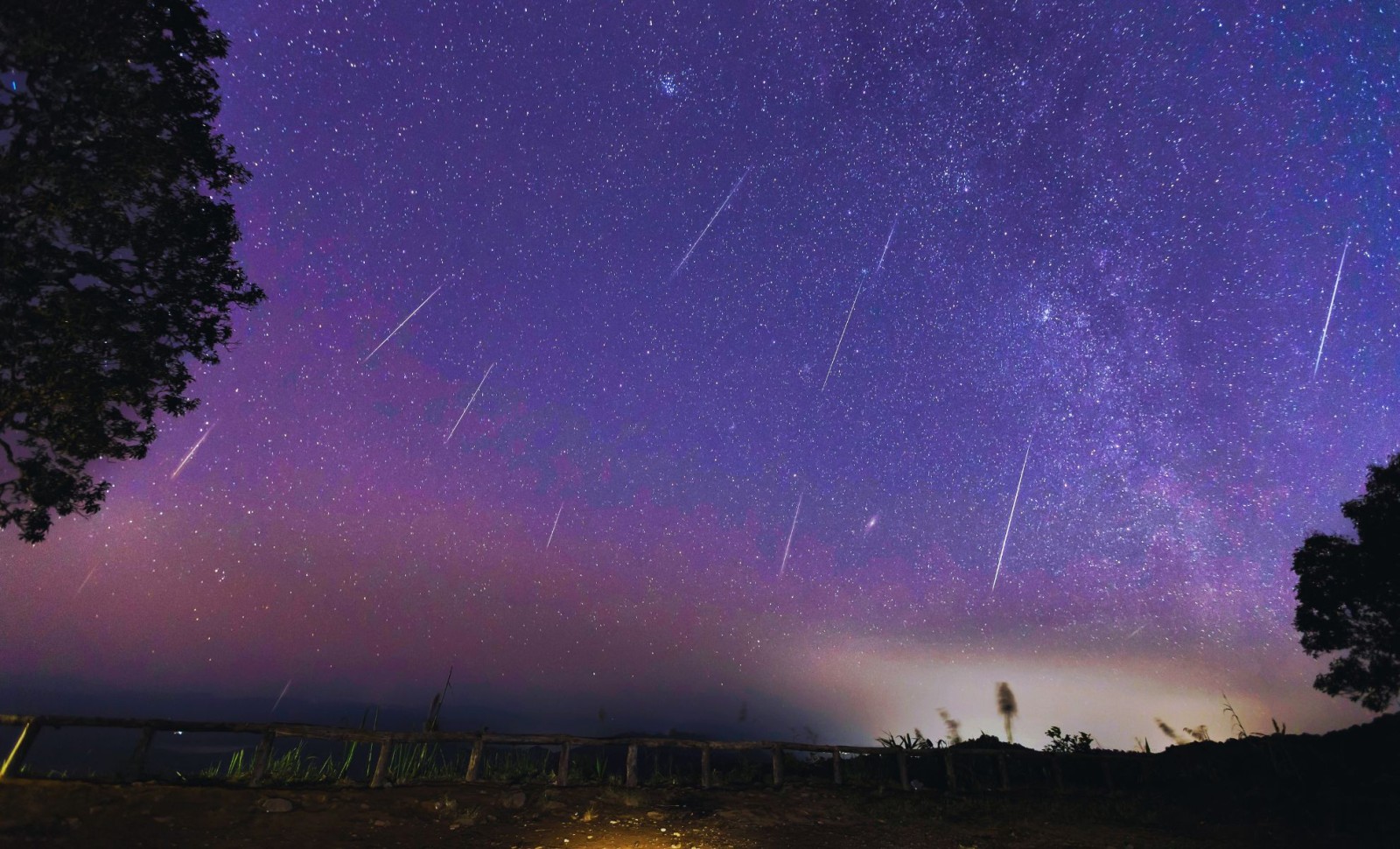
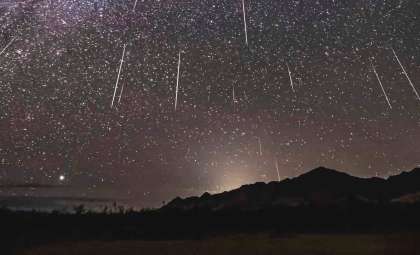
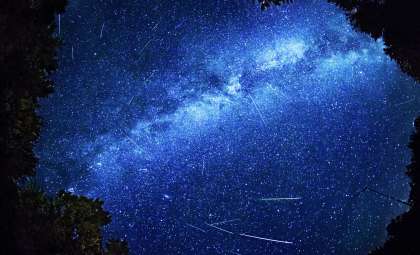
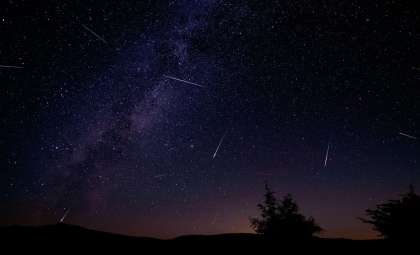
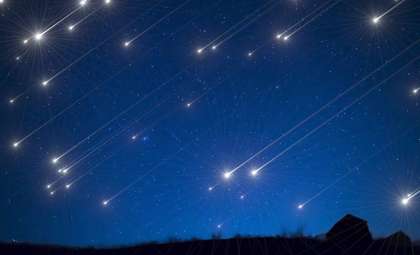
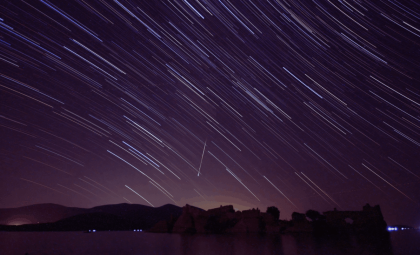
Starting today, December 4, 2025, the Geminid meteor shower promises to light up the night sky with one of the year’s most stunning astronomical displays. Enthusiasts worldwide can anticipate up to 120 meteors per hour during the shower’s peak, making for a breathtaking experience as streaks of light paint the darkness. The prime time to catch this spectacle is just before the peak on December 14.
Extending from December 4 to December 17, the Geminids are celebrated for their bright, colorful meteors and high frequency of appearances. Unlike typical showers caused by comet debris, the Geminids originate from the asteroid 3200 Phaethon, giving this event a distinctive origin that intrigues astronomers and stargazers alike.
When to Catch the Geminid Show at Its Best
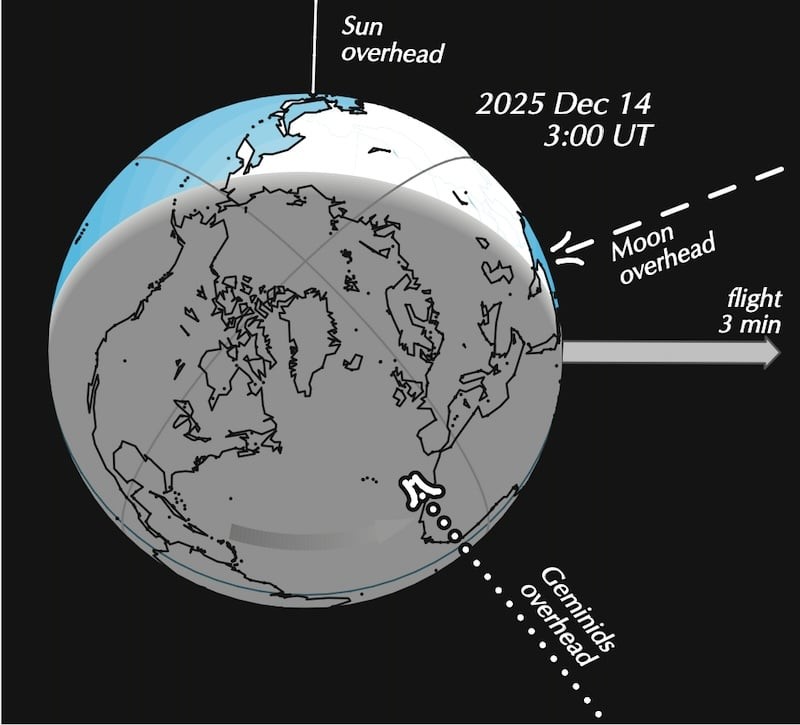
Based on the American Meteor Society, peak activity for the Geminids will fall overnight on December 13-14, 2025. This timeframe offers the greatest likelihood of observing a meteor streaking across the sky. For optimal viewing, find dark, unobstructed locations away from city lights, especially during the hours before dawn, when meteor counts may reach 120 per hour.

One of the perks of this year’s Geminids is that the moon won’t rise until approximately 2:00 a.m. on December 14, creating exceptional conditions for observing without moonlight washing out the meteor trails. This darker sky will make each meteor appear more vivid. If you can’t catch the peak night, there’s still an opportunity to observe meteors through December 17.
Why the Geminids Stand Out
The Geminid shower is unique because, unlike most meteor showers linked to comet dust, it stems from the asteroid 3200 Phaethon. This asteroid orbits the sun every 524 days, shedding debris as it heats up along its path. Earth passes through this debris field each December, sparking the radiant Geminid meteors.
This asteroid-origin meteor shower produces meteors that glow brighter and display a richer palette of colors than most others. The American Meteor Society notes that Geminid streaks often showcase hues from green to blue and red, caused by the varying elements in the debris burning up as they hit Earth’s atmosphere.
Upcoming Meteor Activity
Following the Geminids, the Ursid meteor shower will make an appearance from December 17 to December 26, 2025. Originating near Beta Ursae Minoris in Ursa Minor, the Ursids tend to be less prominent than the Geminids, producing roughly a dozen meteors each hour at their best.
This shower, sometimes called the “Little Bear” or “Little Dipper” meteor shower, offers a subtler but still appealing chance to observe shooting stars during the winter sky’s watch.
- Categories:
- News



0 comments
Sign in to Comment