
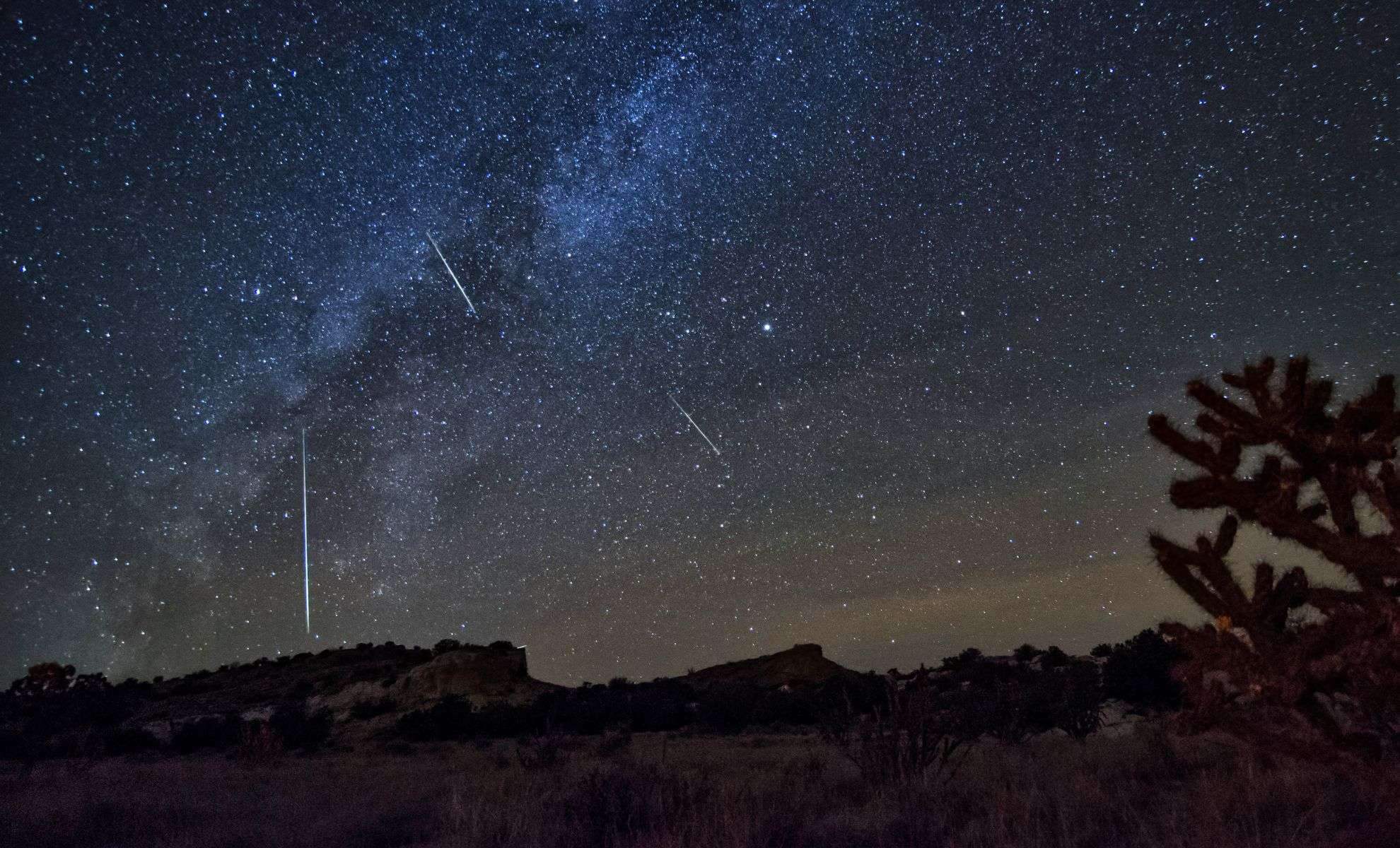
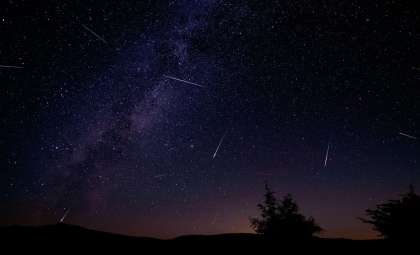
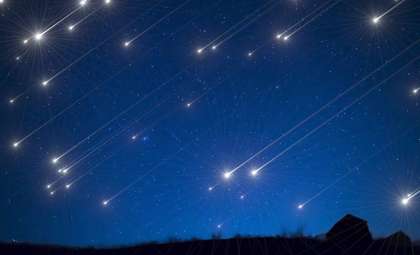
Each October, debris from the famed Halley’s Comet lights up the night sky in a spectacular display known as the Orionid meteor shower. This year's event has commenced, offering skywatchers up to 20 meteors per hour under perfect conditions, as outlined in a detailed feature on EarthSky.org. It promises to be an ideal blend of visibility and visual appeal for astronomy enthusiasts.
Halley’s Comet: Returning in Bits and Pieces Rather Than Whole
The actual comet known as Halley’s Comet won’t make its next Earth approach until 2061, yet its leftover fragments continue to interact with our planet every October. These small dust and ice particles are cast off as the comet travels through our solar system’s inner regions. When Earth traverses this ancient trail, it triggers the Orionids, notable for their swift speed and steady flow.
Traveling at an impressive velocity near 41 miles per second (66 kilometers per second), the Orionids are among the fastest meteors visible. Their rapid passage through the atmosphere generates glowing paths known as trains, some persisting briefly after the meteor fades. Occasionally, a dazzling bright flash — or fireball — dazzle observers as it breaks apart during entry.

Besides the Orionids, Halley’s Comet is also the source of the Eta Aquariids, visible each May when Earth passes through a different section of its debris trail.
When and How to Experience the 2025 Peak
The Orionid shower remains active until November 12, but peak meteor activity is forecast between October 21 and 23. While EarthSky notes the highest concentration near 00:00 UTC on October 21, the American Meteor Society predicts prime viewing on the night of October 22–23.
The timing aligns with a new moon occurring on October 21 at 12:25 UTC, ensuring dark skies free from moonlight interference. Observers in rural or low-light areas might spot between 10 to 20 meteors per hour during the shower’s climax.
The meteors seem to radiate from a point near the constellation Orion, just above the red supergiant Betelgeuse. Although they originate here, meteors can streak across any part of the night sky. For more vivid sightings, look towards the surrounding sky rather than directly at the radiant point, where trails often appear longer and more distinct.
Viewing Tips for the Orionids
To maximize your meteor-watching experience, venture outside during the hours before dawn when the radiant climbs high in the southeast. Typically, the period after midnight until dawn offers the richest meteor activity.
For best results, give your eyes at least 30 minutes to adjust to the darkness. Equip yourself with a red flashlight, a cozy chair, and perhaps a warm beverage to stay comfortable during crisp October nights. The darker your environment, the better your chances of spotting faint meteors.
Presently, Halley’s Comet is at its furthest from the Sun, near the constellation Hydra, making it invisible to the naked eye. Still, its legacy endures each year as particles from its surface paint brilliant streaks across our night skies.
- Categories:
- News




0 comments
Sign in to Comment