
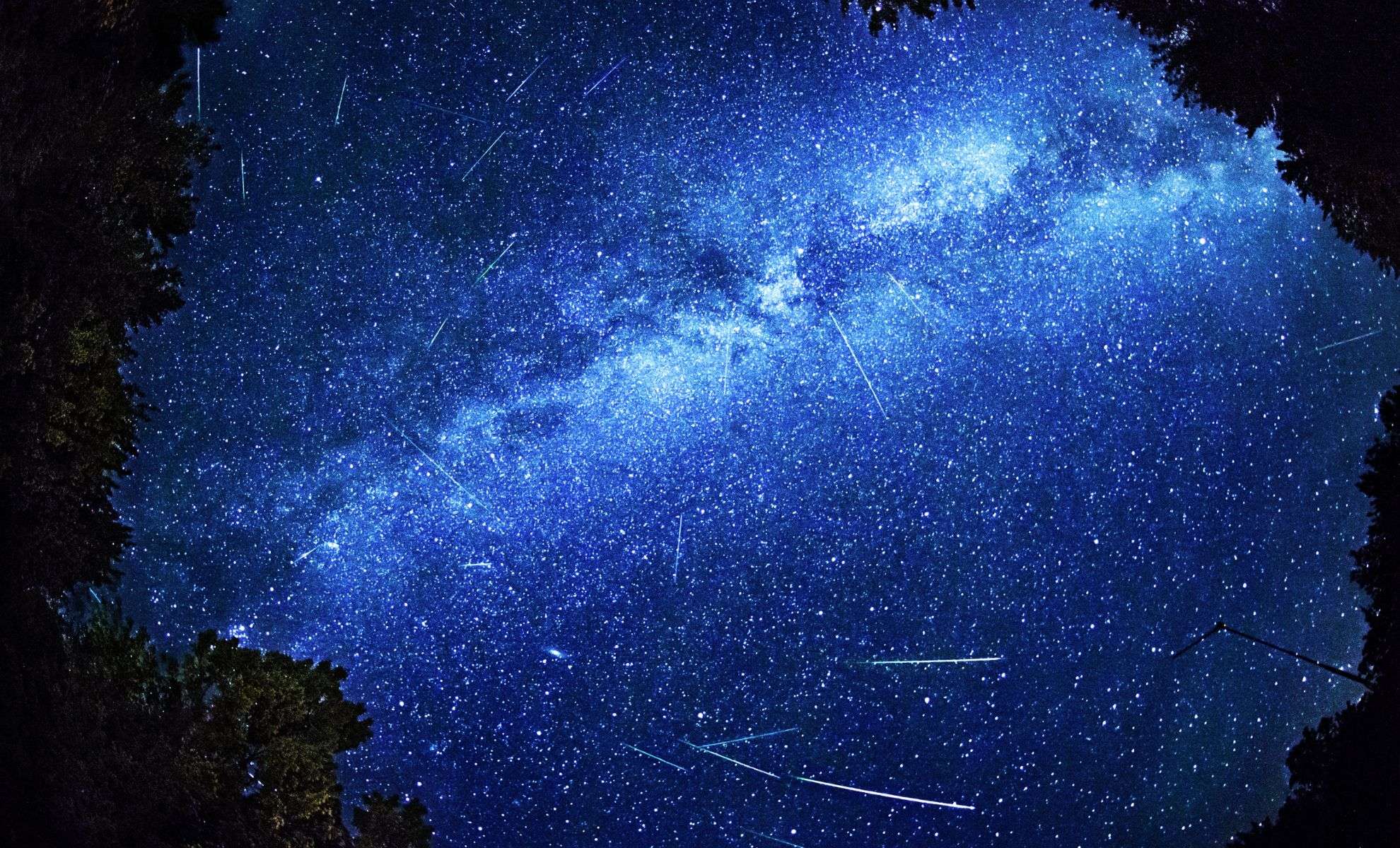
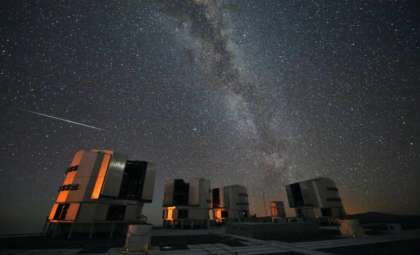
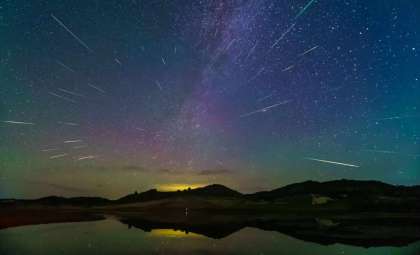
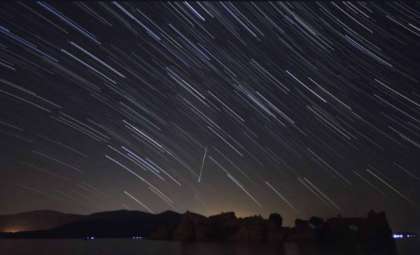
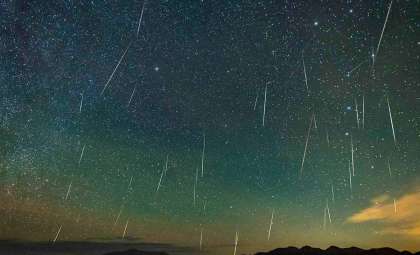
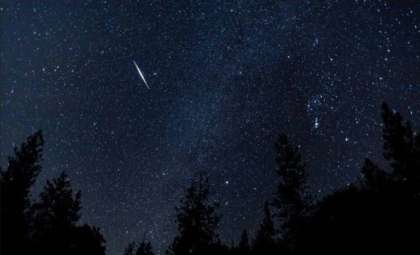
The Perseid meteor shower, famed for its dazzling display in the Northern Hemisphere, will reach its zenith on the night of August 12–13, 2025. While this event can produce as many as 75 shooting stars per hour under optimal conditions, this year’s spectacle will contend with a nearly full Sturgeon Moon that threatens to outshine much of the meteor activity.
What Makes This Year’s Moon a Viewing Challenge?
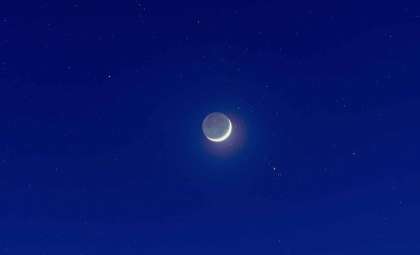
The best conditions for observing meteor showers occur when skies are dark and free of moonlight. However, in 2025, the full moon will appear just three days prior to the Perseids' maximum. On Saturday, August 9, the moon reaches its full phase. Despite its gradual later rising time in summer, it will still be visible almost as soon as twilight fades on the peak night, significantly shortening the time the sky remains dark.
Based on data from TimeandDate, New York City will experience sunset at 8:27 p.m. EDT on August 9, with an 84% illuminated waning gibbous moon rising at 10:01 p.m. EDT and staying present throughout the night. Astronomical twilight, the onset of conditions suitable for meteor spotting, starts at 10:28 p.m. EDT. As a result, darkness won’t be total during the shower’s peak hours near midnight.

The Perseids Still Offer a Rewarding Show Under Moonlight
Despite the moon's brightness diminishing the visible meteor count, the American Meteor Society predicts a strong Perseid peak during August 12–13. This suggests that although the typical maximum of 50 to 75 meteors per hour seen in dark conditions may be reduced, viewers in clear environments should still witness several brilliant meteors crossing the sky.
Interestingly, the moon’s path creates a low arc in the southern sky, which observers can exploit. By facing northeast with your back to the moon—toward the radiant located in the constellation Perseus—you can minimize moonlight interference and increase meteor visibility.
Maximizing Your Meteor Viewing Experience
Following the peak, the moon’s rising time will gradually shift later each night, slightly increasing the window of darkness after sunset. However, meteor activity sharply declines after the peak arrival, so there’s no ideal night in 2025 if you want a moonless sky and vibrant meteor rates simultaneously. For those with limited opportunities, the night of August 12–13 remains your best bet.
The Perseids shine as Earth crosses through the dust trail left behind by Comet Swift-Tuttle, a colossal comet roughly 16 miles (26 kilometers) wide. This comet last visited the inner solar system in 1992 and won’t return until 2125. Yet, the debris stream it leaves continues to supply one of the year’s most spectacular meteor showers.
- Categories:
- News



0 comments
Sign in to Comment