
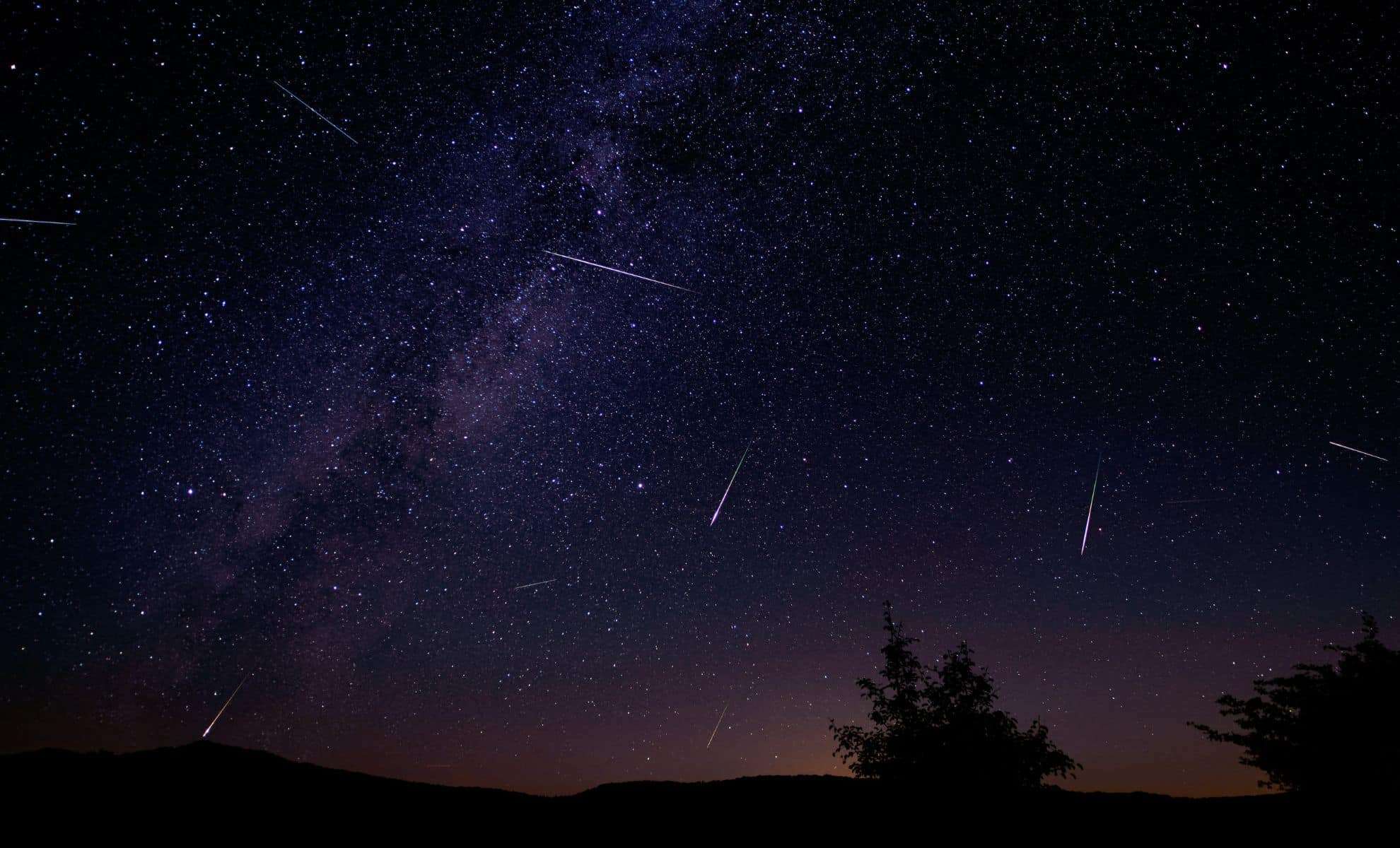
The eagerly awaited Perseid meteor shower in 2025 is poised to underwhelm stargazers, largely due to an unexpected adversary: the luminous Sturgeon Moon. According to the American Meteor Society (AMS), the usually stunning mid-August meteor event will be overshadowed by the moon's intense glow. As the moon rises at dusk, its bright light will drown out all but the most brilliant meteors, diminishing what is typically a dazzling night sky presentation. The AMS Meteor Shower Calendar offers detailed information on celestial shows throughout the year. As reported by Forbes, although the Perseids will still be visible, this year’s display is expected to fall well below usual standards.
What to Expect from the 2025 Perseid Meteor Display
The Perseid meteor shower, active since July 14, ranks among the most celebrated annual astronomical events. Its peak activity is forecasted for August 12-13, tapering off by September 1. Nonetheless, this year, the observation experience will be significantly compromised by the Sturgeon Moon, a near-full moon appearing on August 9.
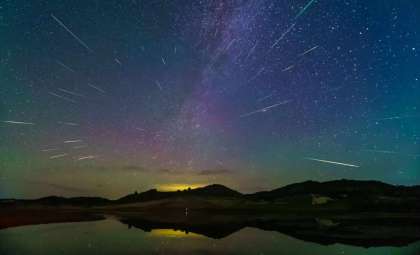
Typically, the Perseids dazzle observers with approximately 50 to 75 meteors per hour at their peak. However, the moon’s bright phase during the evening hours will generate considerable sky glow, effectively acting as light pollution. This will restrict visibility mostly to only the brightest meteors, lowering the count to about 12-18 meteors per hour on its prime nights. Such a decline is likely to disappoint enthusiasts hoping for a more spectacular show.

Understanding Meteor Showers and the Moon’s Impact on Visibility
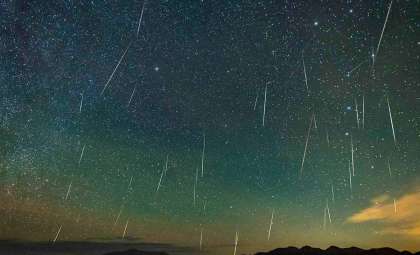
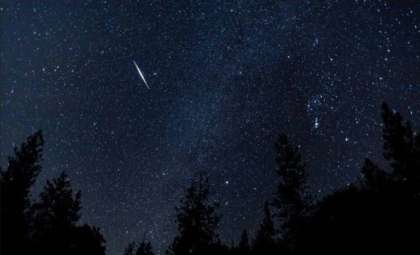
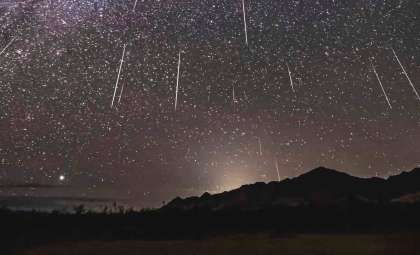
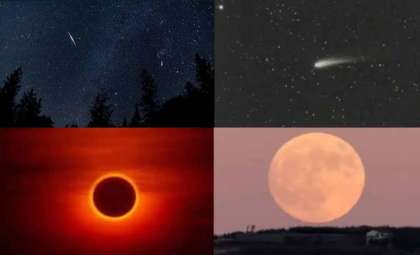
Meteor showers like the Perseids occur when Earth crosses paths with debris streams left by comets, made up of tiny particles and dust. As these fragments enter our atmosphere, they rapidly incinerate, producing the fleeting luminous trails known as "shooting stars." The Perseids are renowned for their consistent frequency and brightness under clear, dark skies.
Nevertheless, the moon’s brightness considerably influences our ability to observe meteors. Full and near-full moon phases flood the night sky with light, masking fainter meteors and making them harder to spot. This effect is particularly noticeable during peak meteor showers like the Perseids. In 2025, this intense lunar glow is expected to significantly reduce the overall visibility and enjoyment of this annual cosmic event.
- Categories:
- News




0 comments
Sign in to Comment