
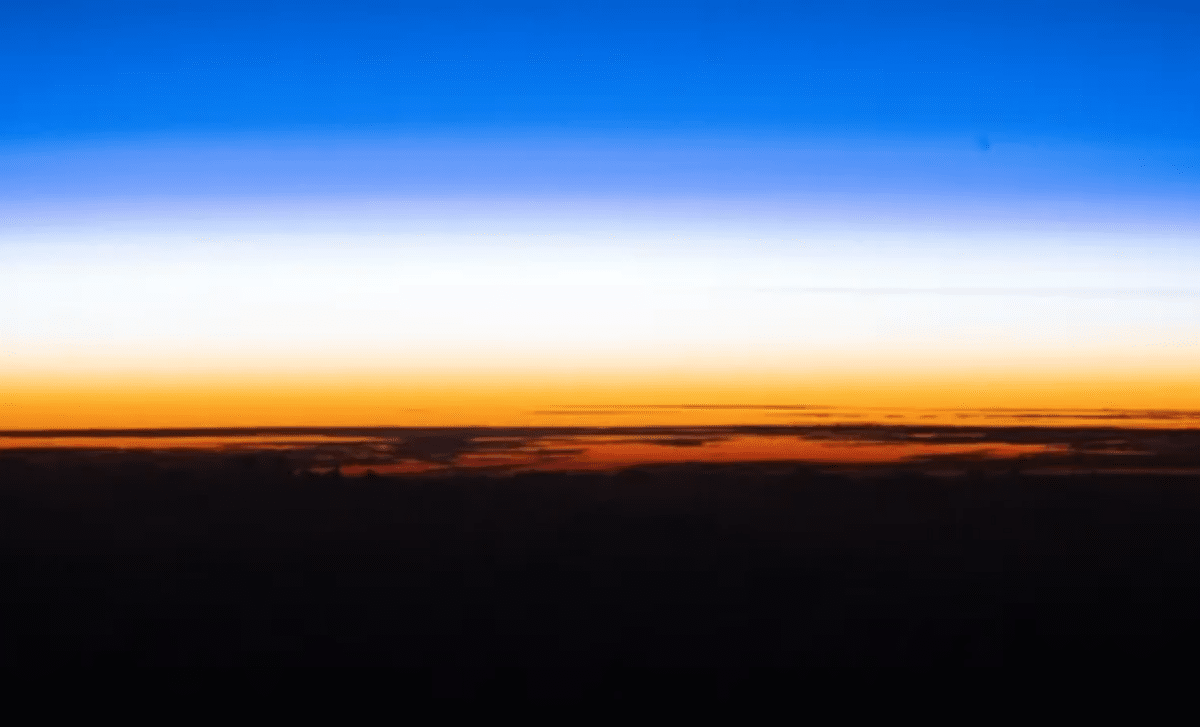
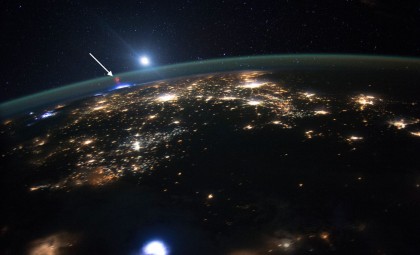
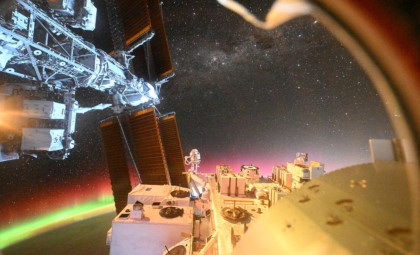
Sunsets captivate us all with their vivid colors and serene beauty, painting the sky in breathtaking hues. Imagine witnessing such a sight not from the ground, but from orbit. Crew members aboard the International Space Station (ISS) are privileged to enjoy this extraordinary view routinely. A recent photo taken from the ISS beautifully illustrates a sunset over Earth, revealing dramatic contrasts of light and shadow that differ significantly from terrestrial views.
How Sunsets Appear from Orbit
Most of us envision sunsets as the sun sinking behind distant hills or slipping beneath the ocean’s skyline. In contrast, astronauts on the ISS observe something quite unique. Instead of a sun gradually setting, they see the sun vanish abruptly as the station swiftly enters Earth's shadow. Orbiting Earth at an incredible speed of 17,500 miles per hour, the ISS completes a full circuit approximately every 90 minutes, allowing those aboard to witness 15 to 16 sunsets and sunrises each day. This rapid orbit offers a strikingly different sunset experience from anything seen on the surface.
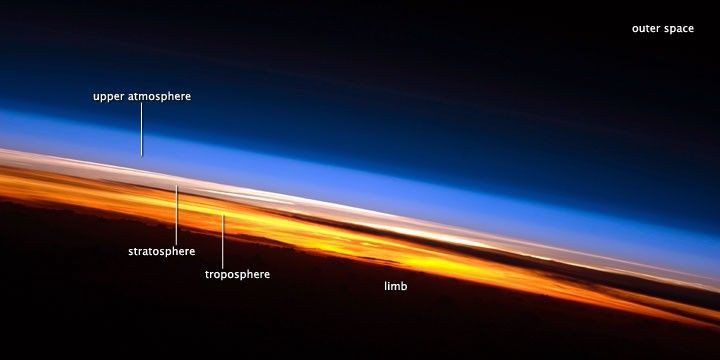
The quick succession from day to night provides astronauts with a rare vantage point on Earth’s atmosphere and light interaction. As the sun disappears behind the horizon, the spectacle is heightened by viewing the sunlight cutting through the atmosphere at unusual angles. The scattering of sunlight amplifies the reds, oranges, and yellows, creating a vivid and otherworldly sunset spectacle.

The Physics Illuminating Space-Based Sunsets
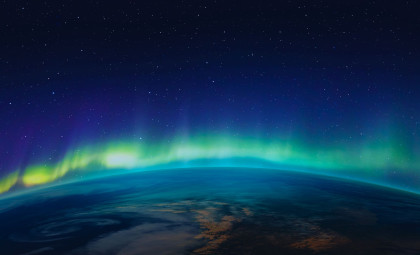
Viewing a sunset from space reveals fascinating details about how sunlight interacts with Earth’s atmosphere. Light undergoes bending, refraction, and scattering in complex ways visible only from orbit. When sunlight passes through the atmospheric layers, shorter blue wavelengths scatter out, while longer red and orange wavelengths stretch across the sky in a thin, glowing arc hugging Earth’s curvature.
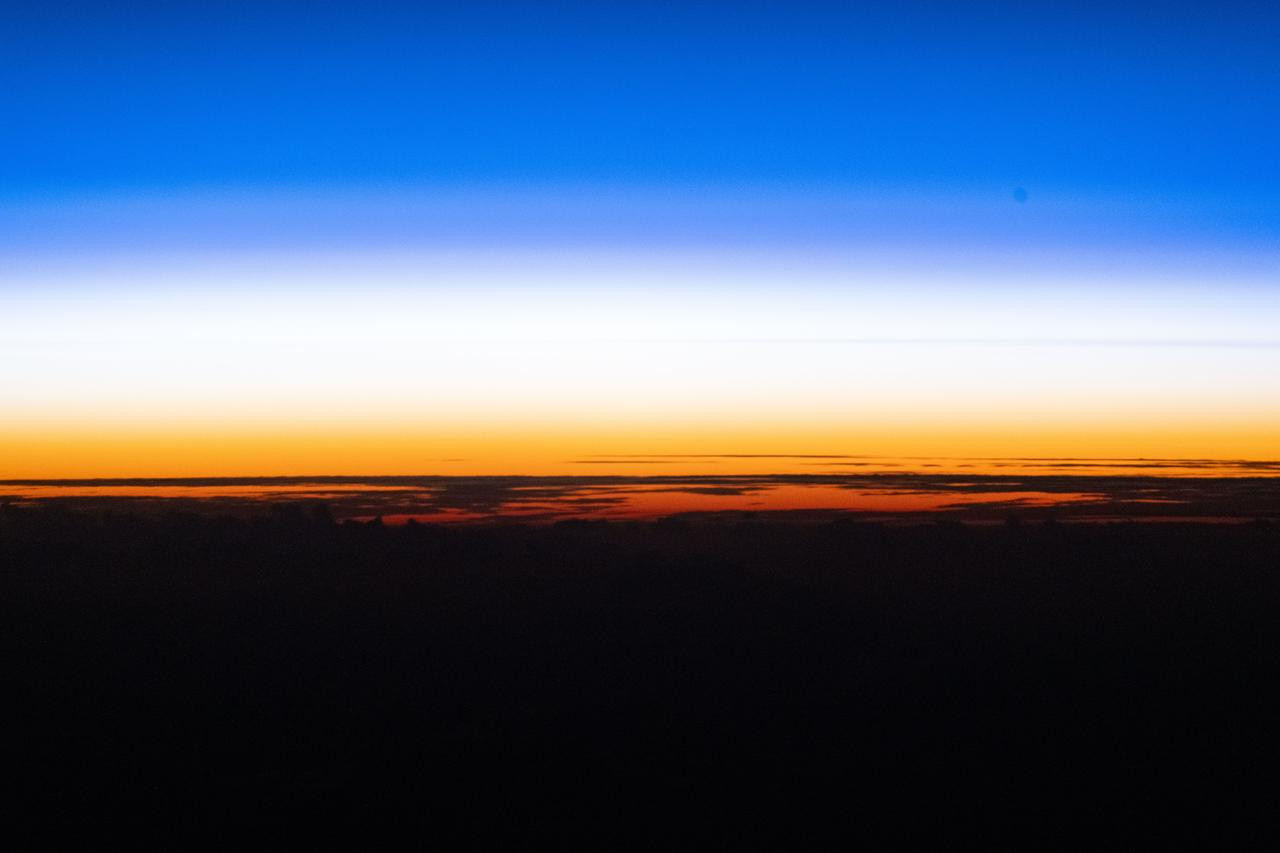
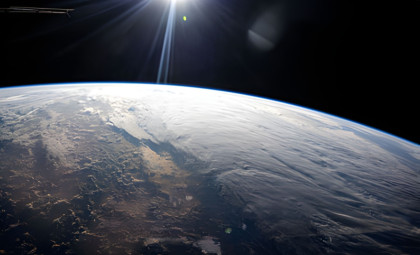
As the ISS moves into Earth’s shadow, astronauts witness a lightning-fast sunset, a compression of time compared to the prolonged twilight on the planet’s surface. The station’s rapid orbit accentuates this effect, offering a dynamic scene continually shifting across the sky. A NASA image from January 2026 captures this beautifully — cloud tops over the Pacific Ocean silhouetted as the sun dips behind Earth’s curve, with atmospheric colors fading from orange to blue across the horizon.
The Profound Emotional Resonance of Space Sunsets
Watching sunsets from orbit transcends mere visual marvel; it deeply moves the astronauts who experience it. From their high vantage point, they see Earth’s delicate balance between light and dark, symbolizing the planet’s vulnerability and unity. This view stresses Earth as a singular, interconnected whole rather than fragmented regions.
The grandeur of viewing such a vibrant and fragile world often inspires feelings of awe and reverence. Many astronauts describe this experience as transformative, fostering a deep appreciation and a renewed commitment to protect our planet. The perspective gained from space encourages environmental stewardship and a broader understanding of Earth's interconnected ecosystems.
The ISS: A Gateway to Atmospheric Discoveries and Celestial Wonders
The International Space Station serves as an invaluable platform for exploring Earth’s atmosphere and celestial events. Positioned in low Earth orbit, the ISS offers unmatched perspectives to observe phenomena such as sunrises, sunsets, and other cosmic marvels. These observations help scientists analyze light behavior and atmospheric dynamics critical to understanding our planet.
By continuously traversing zones of light and shadow, the ISS functions as a mobile research lab, providing real-time data on solar radiation, atmospheric conditions, and their influence on Earth. This knowledge is crucial not only for climate science but also paves the way for enhanced safety and success in future space missions.
- Categories:
- Space




0 comments
Sign in to Comment