
Incidents involving chemical contamination in the U.S. food industry are uncommon, yet they often expose multiple lapses in safety controls. In an industry governed by stringent regulations and automated sanitization, even minor errors can lead to major repercussions. A recent recall of skim milk distributed in two states has brought dairy sanitation procedures under renewed examination.
A dairy cooperative responsible for supplying milk to local retailers identified a problem through internal quality checks before federal authorities took action. However, some contaminated units had already reached consumers. This event triggered a focused recall, comprehensive response efforts, and intensified scrutiny of how food products remain separated from industrial chemicals.
Recall Triggered by Processing Line Contamination
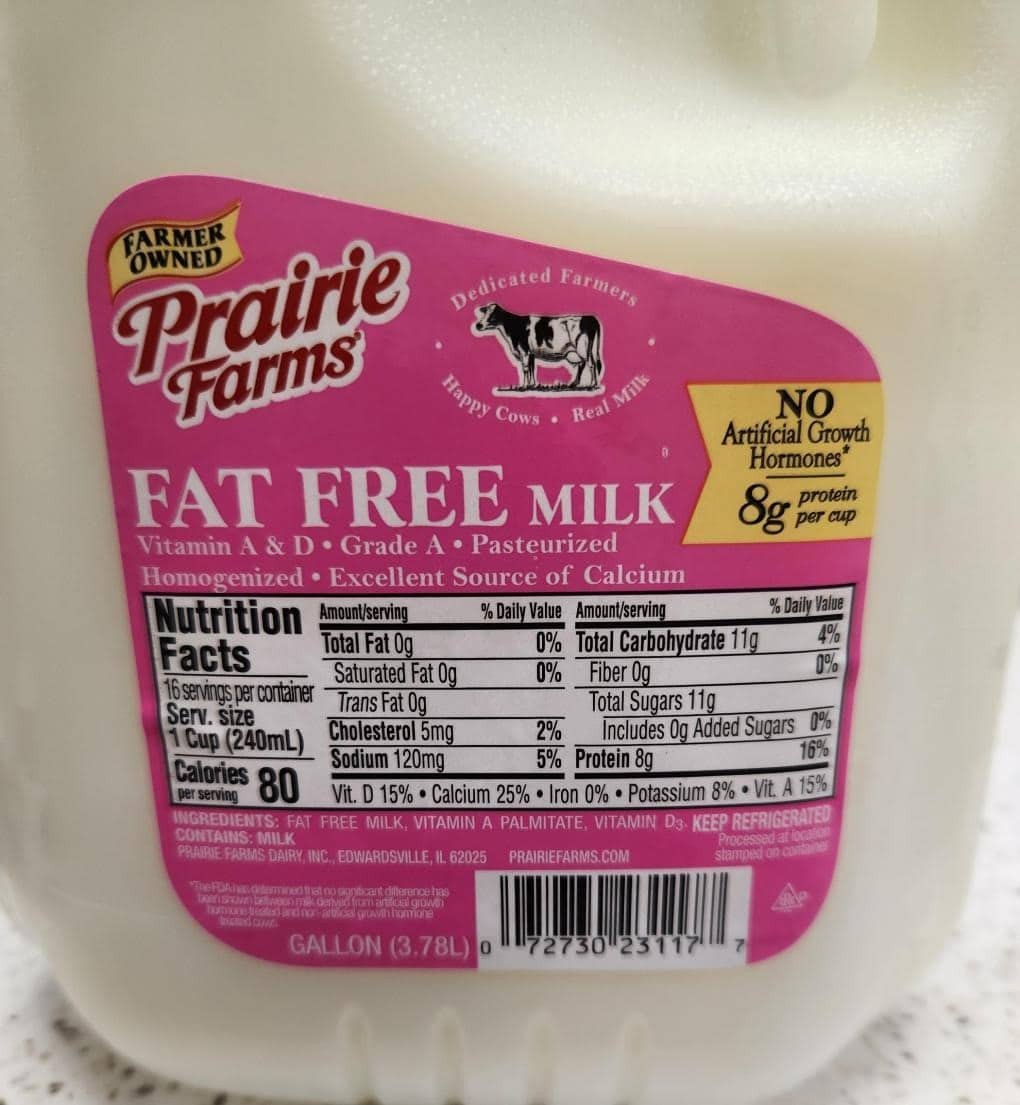
On November 25, 2025, Prairie Farms Dairy recalled approximately 320 gallons of fat-free milk after discovering traces of food-grade cleaning substances in products sold in Illinois and Wisconsin. The contaminated milk was produced during a specific timeframe at the company's Dubuque, Iowa plant.

The FDA statement detailed the affected product as follows:
- Product: Prairie Farms Gallon Fat Free Milk
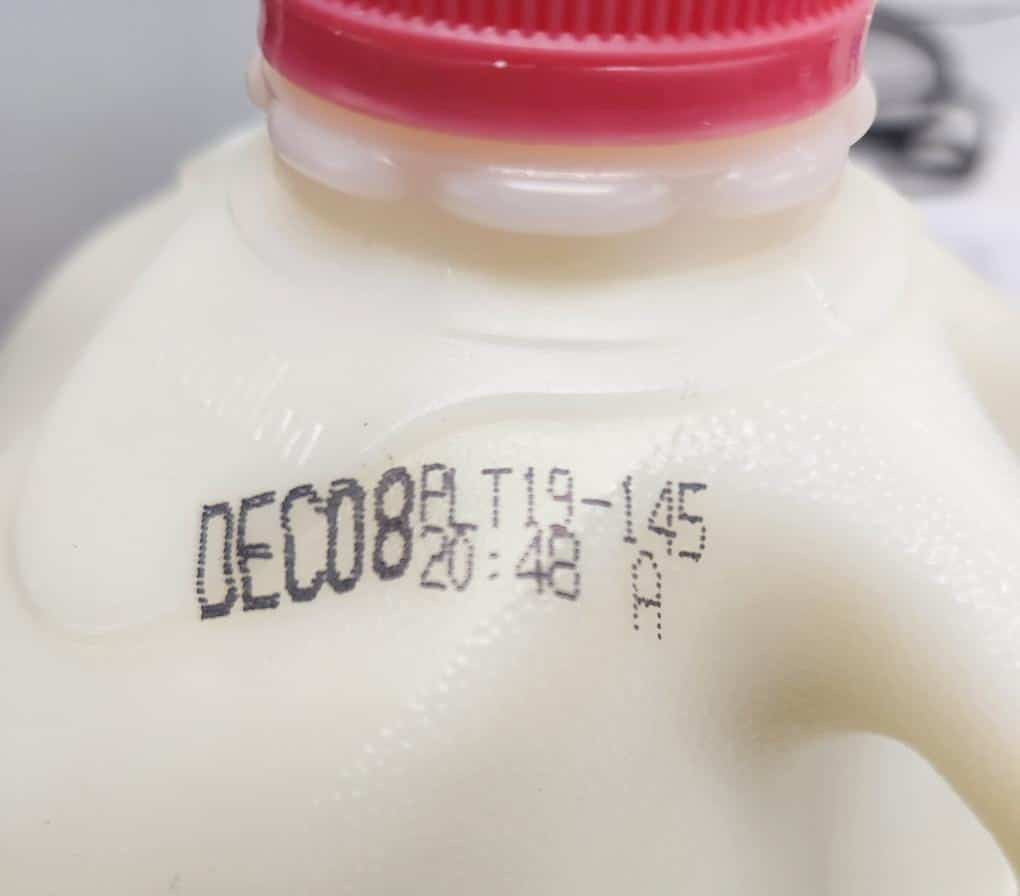
- Code Date: DEC08
- Plant Code: PLT19-145
- Facility: Dubuque, Iowa
- Production Interval: 17:51 to 21:23
- UPC: 7273023117
No other Prairie Farms products were impacted by this recall.
The distribution included Woodman’s Markets across several locations. Confirmed affected stores are listed below:
Illinois
- Bloomingdale
- Buffalo Grove
- Carpentersville
- Lakemoor
- North Aurora
- Rockford
Wisconsin
- Appleton
- Beloit
- Green Bay
- Janesville
- Kenosha
- Madison
- Menomonee Falls
- Oak Creek
- Onalaska
- Racine
- Sun Prairie
- Waukesha
Prairie Farms is collaborating with both regulators and Woodman’s Markets to address the contamination and has pulled all affected milk from shelves.
The cleaning compounds involved are typically used in automated clean-in-place (CIP) systems that sterilize dairy lines without dismantling equipment. Normally, special valves prevent chemicals from mixing with the milk. However, in this incident, a mechanical defect or human mistake allowed contamination during packaging.
Health Concerns Linked to Cleaning Chemicals
Although classified as “food-grade,” these cleaning agents are not safe for ingestion. Per FDA recommendations, all sanitizer residues must be flushed completely before production resumes. Consuming residual chemicals can cause irritation of the throat, digestive upset, and potentially more serious health problems depending on dose and individual sensitivity.
One common ingredient found in these sanitizers is sodium hydroxide or caustic soda. Information from MedlinePlus indicates that exposure can result in burns to the mouth, esophagus, and stomach lining. Even small amounts can cause vomiting, pain, and throat swelling, often necessitating urgent medical care.
Vulnerable groups such as children, the elderly, and individuals with respiratory or swallowing difficulties face increased risk, as their lower body weight and health conditions can intensify adverse effects from even low-level exposure.
Regulatory Framework and Safety Measures
The U.S. dairy sector follows the Grade A Pasteurized Milk Ordinance, which mandates national standards for equipment design, sanitation, and monitoring. These rules require physical separation between cleaning and product lines, verification that chemicals are fully cleared, and ongoing oversight of cleaning procedures.
The FDA’s Office of Food Chemical Safety manages the safety oversight of food processing chemicals. Their chemical safety strategy incorporates both pre-market approval of substances contacting food and post-market tracking of contamination incidents. Food manufacturers must maintain documentation and preventive systems under the Food Safety Modernization Act.
Regarding Prairie Farms, the contamination seems isolated to one product batch and timeframe. The FDA has not announced any further inspections or regulatory actions. Typically, investigations review valve maintenance, chemical usage logs, and system alerts to identify root causes.
Importance of Traceability and Production Controls
Although the volume recalled was limited and no harm has been reported, this event underscores concerns regulators have about chemical exposures. Cleaning agents are a common cause of accidental poisonings in American households, accounting for more than 7% of the over 2 million exposure incidents recorded in the 2023 National Poison Data System report.
Unlike biological contaminants, chemical residues are stable and do not break down with heat or refrigeration. Once they enter food, they persist until identified or consumed.
This persistence complicates detection at retail and emphasizes the critical need for robust safeguards within production lines. As automation advances in food manufacturing, ensuring equipment reliability, validating processes, and vigilant human oversight remain essential to prevent contamination.
- Categories:
- News










0 comments
Sign in to Comment