
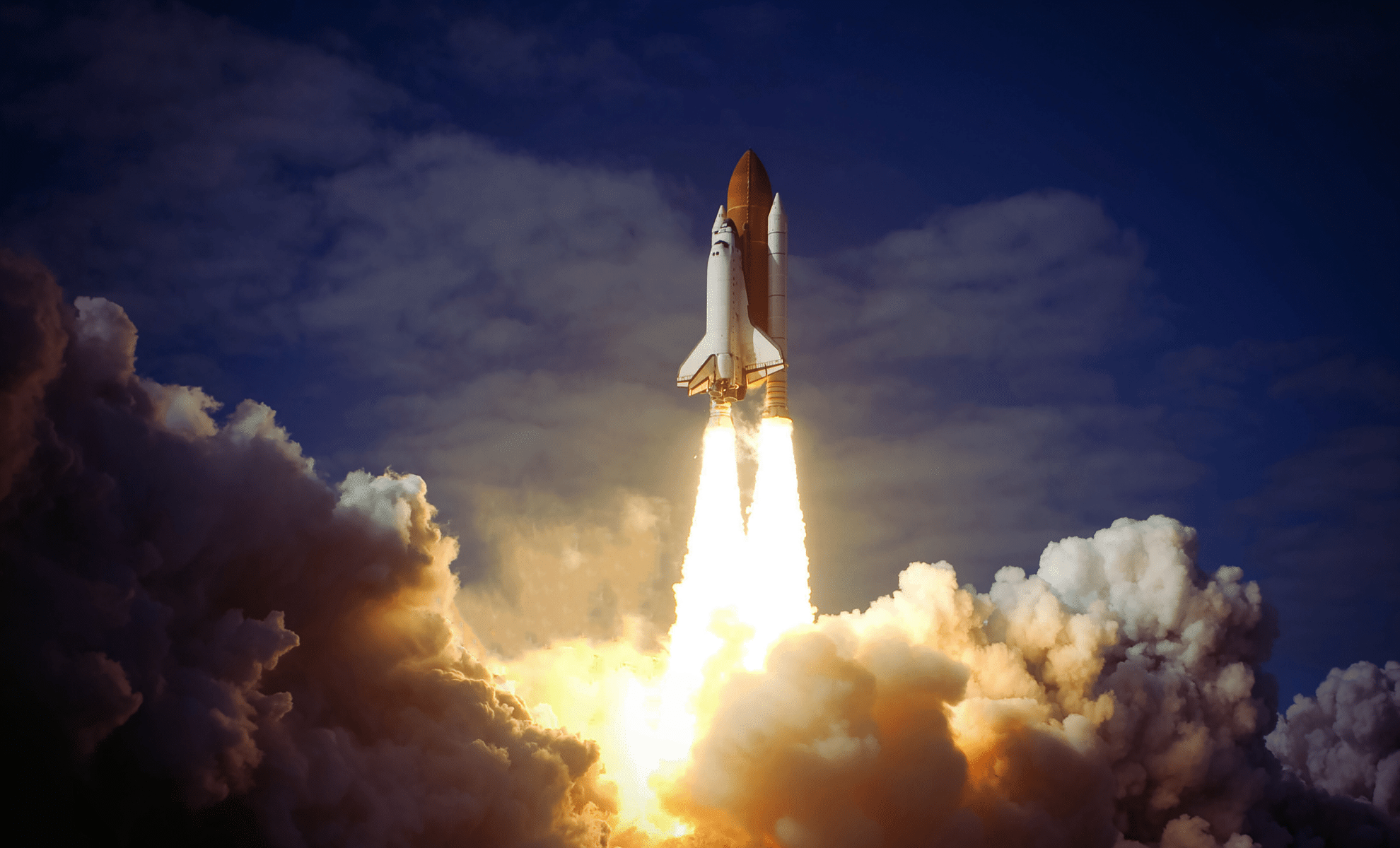
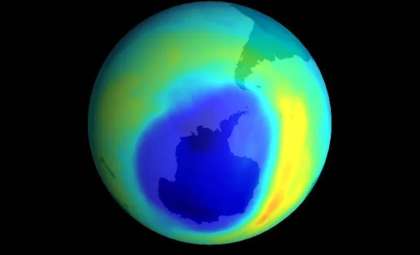
A recent study featured in npj Climate and Atmospheric Science draws attention to an emerging environmental hazard: the sharp increase in rocket launches is potentially hindering the restoration of the ozone layer, Earth’s crucial shield against ultraviolet radiation. This research, conducted by an international collaboration involving experts from ETH Zurich, the Physical Meteorological Observatory Davos, and the University of Canterbury, warns that emissions from rockets and satellite debris re-entering the atmosphere may delay the global recovery of ozone by several years or even decades. Launch counts have jumped from 97 in 2019 to 258 in 2024, with forecasts exceeding 2,000 by 2030 — making the environmental consequences of the expanding space industry increasingly urgent.
Explosive Growth in Global Rocket Activities
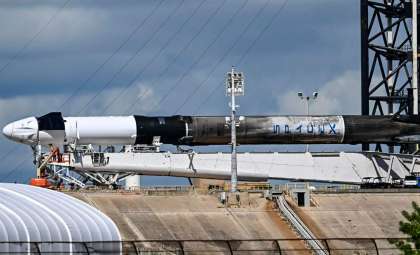
The space sector worldwide has experienced rapid expansion over the last ten years, propelled by the launch of numerous satellite constellations in low Earth orbit and ambitions from commercial entities like SpaceX, Blue Origin, alongside government programs. While these strides support advances in telecommunications, scientific investigations, and defense, they carry atmospheric risks. Whereas 2019 saw fewer than 100 orbital launches, 2024 already reports 258 launches annually. Projections suggest that by 2030, the figure could surpass 2,000 yearly launches — an eightfold growth. This surge leads to increased emissions in the middle atmosphere, where pollutants persist far longer than those at ground level. Unlike terrestrial pollution removed by rain or air circulation, these emissions accumulate and distribute across the globe.
Greater Impact of Rocket Emissions Compared to Ground-Level Pollution
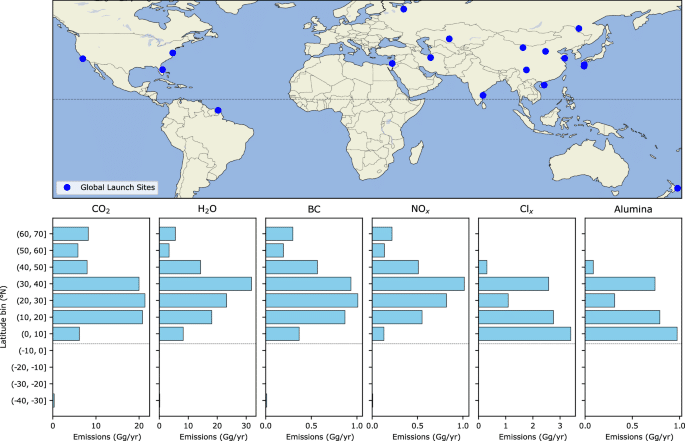
Emissions from rockets pose a distinct threat to atmospheric health. Differing from pollutants emitted near Earth's surface, rocket exhaust is released directly into the middle and upper atmospheric layers, where it may remain for up to 100 times longer. This longevity intensifies their detrimental effects, despite the smaller volume than terrestrial sources. Research identifies harmful substances like chlorine gases and soot particles as key contributors to ozone deterioration. Chlorine acts as a catalyst breaking down ozone molecules, while soot warms the stratosphere, facilitating chemical reactions that quicken ozone depletion. Together, these effects risk undoing decades of gains made under the Montreal Protocol, which banned chlorofluorocarbons in 1989.

Forecasting Ozone Layer Damage from Rocket Emissions
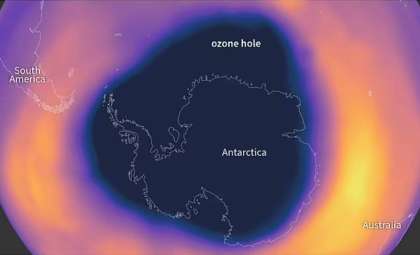
The study models scenarios for rocket activity impacts on ozone thickness by 2030. Under a high-activity forecast with roughly 2,040 annual launches, global ozone could decline by approximately 0.3%, and seasonal ozone loss over Antarctica might reach 4%. While these figures may seem minor, they are significant given the ozone layer is currently around 2% depleted relative to pre-industrial times, with complete recovery expected only by 2066. Even slight additional losses could delay restoration for decades. Researchers highlight the absence of emissions regulations exacerbates this risk, emphasizing the need for urgent policy measures.
The Influence of Rocket Propellants on Ozone Layer Health
Not all rocket types have equal impacts on ozone. The fuel choice is critical. Rockets using solid propellants release substantial amounts of chlorine, severely endangering the ozone layer. Most propellants also emit soot, increasing stratospheric warming. Conversely, cryogenic fuels such as liquid hydrogen and liquid oxygen produce minimal to no ozone-depleting byproducts. Unfortunately, these cleaner fuels currently power only about 6% of launches due to technical and cost challenges. Scientists advocate transitioning toward cryogenic propulsion and exploring alternative low-impact fuels as essential for safeguarding the ozone layer long-term.
Untapped Risks from Satellite Re-Entry Pollution
While launch emissions draw increasing focus, pollutants resulting from satellite re-entry remain insufficiently studied. Decommissioned satellites in low Earth orbit eventually descend, burning up and releasing heat-driven pollutants, including nitrogen oxides and metallic particles like aluminum. Nitrogen oxides contribute to ozone depletion, while metal particles may foster polar stratospheric cloud formation or serve as catalysts intensifying ozone destruction. The growing number of satellite constellations will increase these re-entry events, prompting concern. Researchers note that current climate models do not fully incorporate these effects, potentially underestimating ozone loss linked to space activity.
Building a Future-Friendly Space Launch Industry
Despite the considerable challenges identified, the study offers hope for a less harmful path forward. Establishing an ozone-friendly launch industry is achievable through immediate interventions. These include comprehensive rocket emission monitoring, banning fuels that produce chlorine and soot, fast-tracking adoption of cryogenic engines, and implementing international regulations comparable to the Montreal Protocol's success. With global coordination, harmful emissions can be reduced, protecting our ozone shield before irreversible damage occurs. The researchers warn that delaying action will allow atmospheric chemistry damage to accumulate, complicating future recovery efforts.
- Categories:
- News









0 comments
Sign in to Comment