
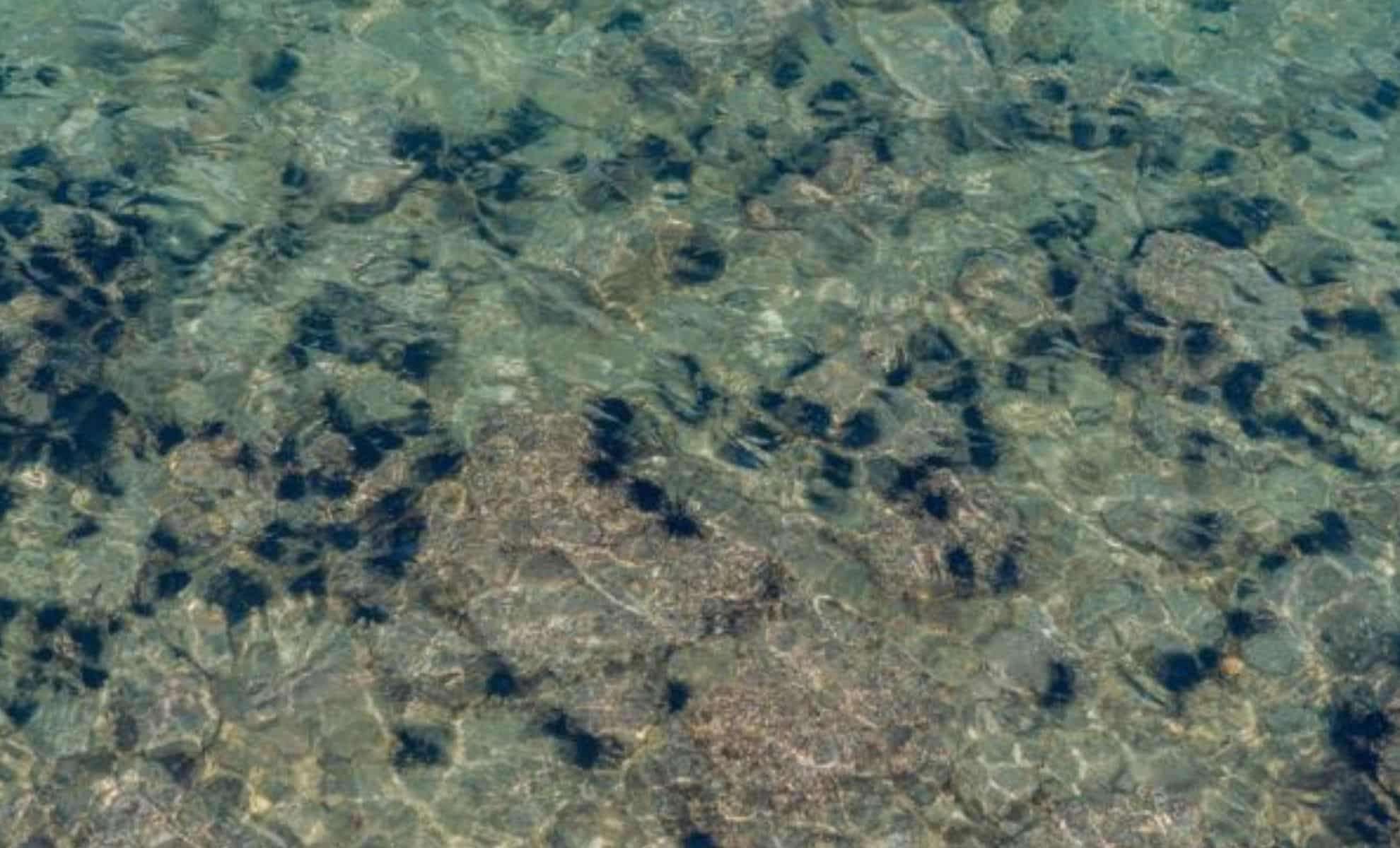
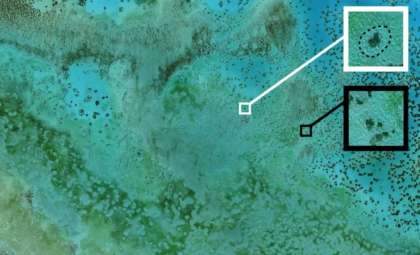
Recent research published in PLOS ONE highlights a critical threat to the coral reefs of Hawaii. Scientists from North Carolina State University and Arizona State University have identified a dramatic increase in sea urchin populations at Hōnaunau Bay as a key factor accelerating reef degradation, risking irreversible damage. The study integrates in-depth scuba surveys with advanced airborne imaging technology to reveal alarming trends in reef decay, predator scarcity, and habitat deterioration.
How Overfishing Has Turned Sea Urchins into Reef Destroyers
Ecosystem stability depends heavily on predator-prey relationships, and in Hawaiian reefs, this balance is breaking down. Lead researcher Kelly van Woesik explains that “Fishing has significantly depleted the populations of fish that normally control sea urchin numbers, causing unchecked growth.” The investigation points to overfishing as the main culprit, eliminating natural predators like triggerfish and wrasses that once kept urchin populations under control.
The consequence is stark: a dense aggregation of spiny sea urchins dominates some parts of Hōnaunau Bay, reaching concentrations as high as 51 individuals per square meter—“among the densest populations recorded globally,” according to van Woesik. These urchins engage in bioerosion, eroding the calcium carbonate skeletons that form the reef’s foundation. Meanwhile, coral growth is suppressed by elevated temperatures and pollutants, preventing reefs from regenerating effectively.

Coral Growth Fails to Keep Up with Erosion
The researchers assessed reef health by measuring net carbonate production, comparing reef construction rates to erosion. Hawaiian reefs in the 1980s exhibited robust growth of roughly 15 kilograms per square meter each year. However, by 2023, the rate at Hōnaunau Bay has plummeted to a mere 0.5 kg/m²/year, indicating that reef formation is nearly halted.
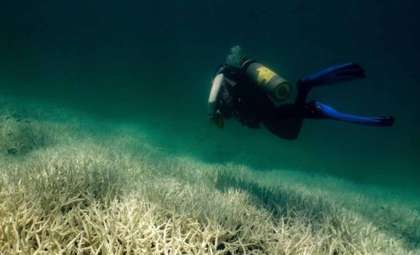
To counterbalance erosion, reefs need to sustain at least 26% live coral cover, with even higher percentages required in shallow waters. While the overall average remained slightly above this at 28%, several vulnerable sections fell below this critical threshold, heightening their risk of collapse. Without sufficient coral regrowth, reefs become fragile, increasingly exposed to wave impact and further degradation, creating a destructive feedback loop where declining coral supports fewer fish, allowing urchin populations to surge even more.
The Wider Implications of Reef Loss for Hawaiian Communities
Beyond ecological harm, reef decline poses significant risks to human populations. Hawaiian coral reefs act as natural buffers, dissipating as much as 97% of wave energy that strikes shorelines. As reefs deteriorate, coastal villages become exposed to the dangers of floods, storm surges, and coastal erosion. Additionally, the decline of reefs threatens local livelihoods tied to fishing and tourism, both highly dependent on thriving marine ecosystems.
Van Woesik emphasizes, “Without the restoration of predator populations, these reefs cannot combat erosion effectively, threatening the islands’ safety and sustainability.” Immediate fisheries management reform is essential to enable predator fish to repopulate and restore ecosystem equilibrium.
Urgent Actions Required to Save Hōnaunau Bay’s Reefs
Scientists stress that swift measures are crucial to halt and reverse reef damage in Hōnaunau Bay. Recommendations include implementing tighter fishing restrictions, reintroducing key predator species, and conducting targeted sea urchin removals to support coral recovery. Innovative tools like airborne monitoring and AI-powered reef mapping enhance the ability to monitor degradation and guide restoration efforts.
However, the window for effective intervention is rapidly closing. Without prompt action, the reefs could suffer catastrophic collapse, rendering restoration efforts futile. Increasing ocean temperatures and pollution will exacerbate the stress on these ecosystems. Delaying action now promises substantial ecological damage, economic hardship, and permanent loss of biodiversity in the near future.
- Categories:
- News









0 comments
Sign in to Comment