
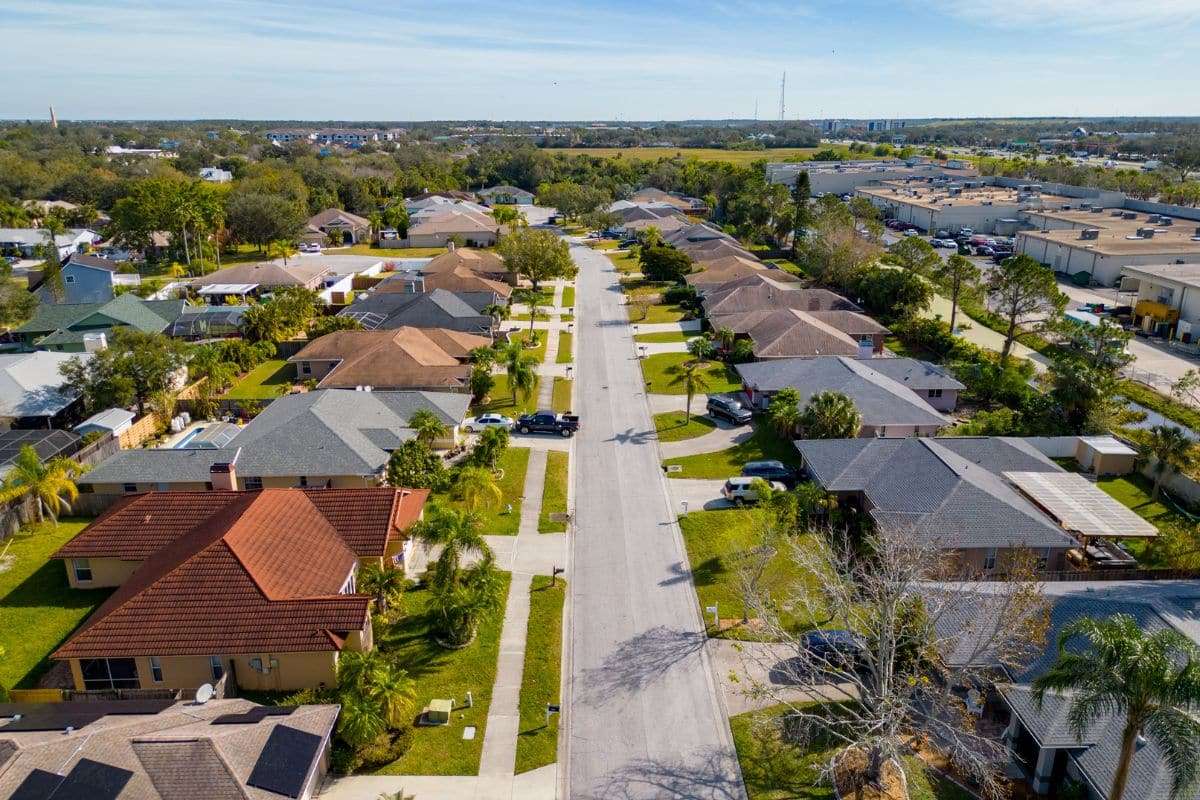
In Florida, alligators inhabiting sewers are more than just a tall tale—they represent a fascinating reality. Recent research from the University of Florida unveils how alligators and numerous other species are utilizing stormwater sewer systems as urban passageways.
Published in Urban Naturalist, this study exposes a lesser-known ecosystem beneath city streets, where wildlife ingeniously adapts to man-made infrastructure.
Urban Wildlife’s Secret Pathways Beneath Florida
Though New York City is famous for myths about albino alligators thriving in its underground tunnels—so much that locals commemorate Alligator in the Sewer Day—no confirmed sightings have occurred there. Conversely, Florida regularly uncovers real alligators living within its drainage networks.

For instance, earlier this year, authorities rescued a 10.5-foot-long alligator trapped in a Cape Coral storm drain. But these reptiles don’t just accidentally appear underground; the new findings demonstrate that alligators and nearly 35 other species deliberately travel the stormwater channels to navigate urban areas.
“It’s reminiscent of something out of Teenage Mutant Ninja Turtles,” explained Alan Ivory, a doctoral candidate who spearheaded the research at the University of Florida. “The sheer number of animals down there was astonishing.”
Designing Cities with Wildlife in Mind
While rats are well-known sewer inhabitants, the diversity of other animals utilizing these subterranean routes remains understudied. Ivory’s team hypothesized that Florida’s stormwater drainage infrastructure, intended to prevent flooding, could simultaneously serve as wildlife corridors in urban settings.
To investigate, 39 motion-sensor cameras were magnetically fixed under manhole covers throughout Gainesville, Florida. These devices recorded activity inside the tunnels for two months straight.
The researchers faced obstacles: floodwaters swept some cameras away, and mischievous raccoons occasionally removed others. “Sometimes raccoons would climb ladders and rip cameras off the manholes,” Ivory recounted.
Despite these challenges, the team collected almost 3,800 observations encompassing 35 species, revealing a surprisingly vibrant underground wildlife community.
Residents of Florida’s Underground Drainage Networks
Mammals accounted for the majority of sightings, with raccoons documented over 1,800 times. Southeastern myotis bats followed, appearing close to 700 times, often using these tunnels as roost sites. Additional unexpected inhabitants included:
- Tree frogs and armadillos actively moving through the tunnels
- Dozens of bird species, such as Carolina wrens, some transporting nesting materials
- White-tailed deer and bobcats observed near tunnel entrances, though seldom venturing inside
Among the most remarkable observations were 50 recorded alligator encounters. Many alligators seemed to travel between water bodies through these underground routes, while some were seen hunting within the confined tunnels. Ivory remarked, “It’s like they were corralling fish into a dead end, using human-made structures to their hunting advantage.”
- Categories:
- News









0 comments
Sign in to Comment