
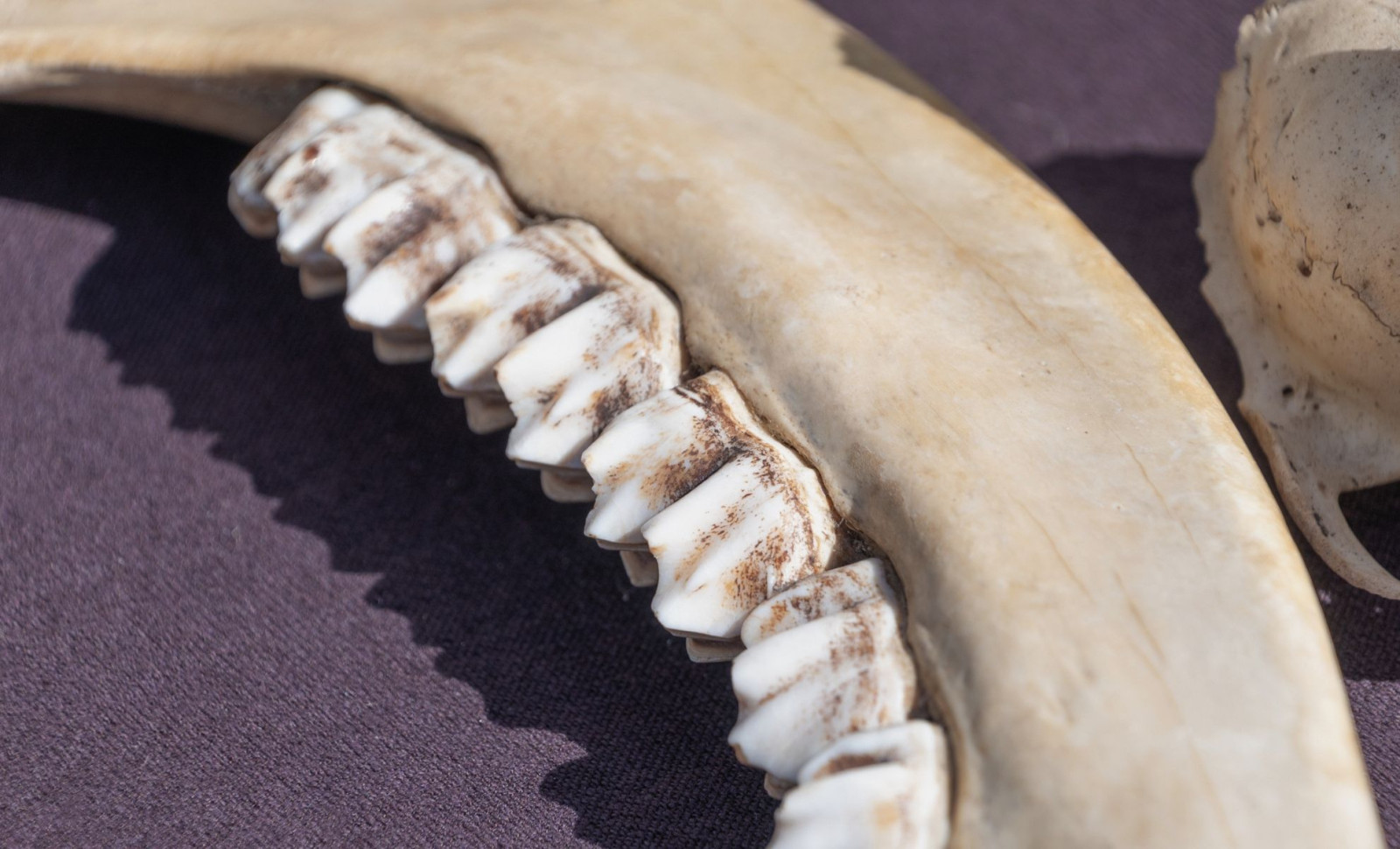
Uncovered fossilized teeth in northern Alaska have led to the identification of three previously unknown mammal species that roamed the region roughly 73 million years ago during the Late Cretaceous period. Scientists propose these findings hint that extreme polar conditions fostered adaptation and diversification among species, rather than mere survival.
When envisioning ecosystems of the Late Cretaceous, lush forests and warmer climates typically dominate the imagination. In contrast, polar habitats were often dismissed as marginal, offering limited contribution to evolutionary progress.
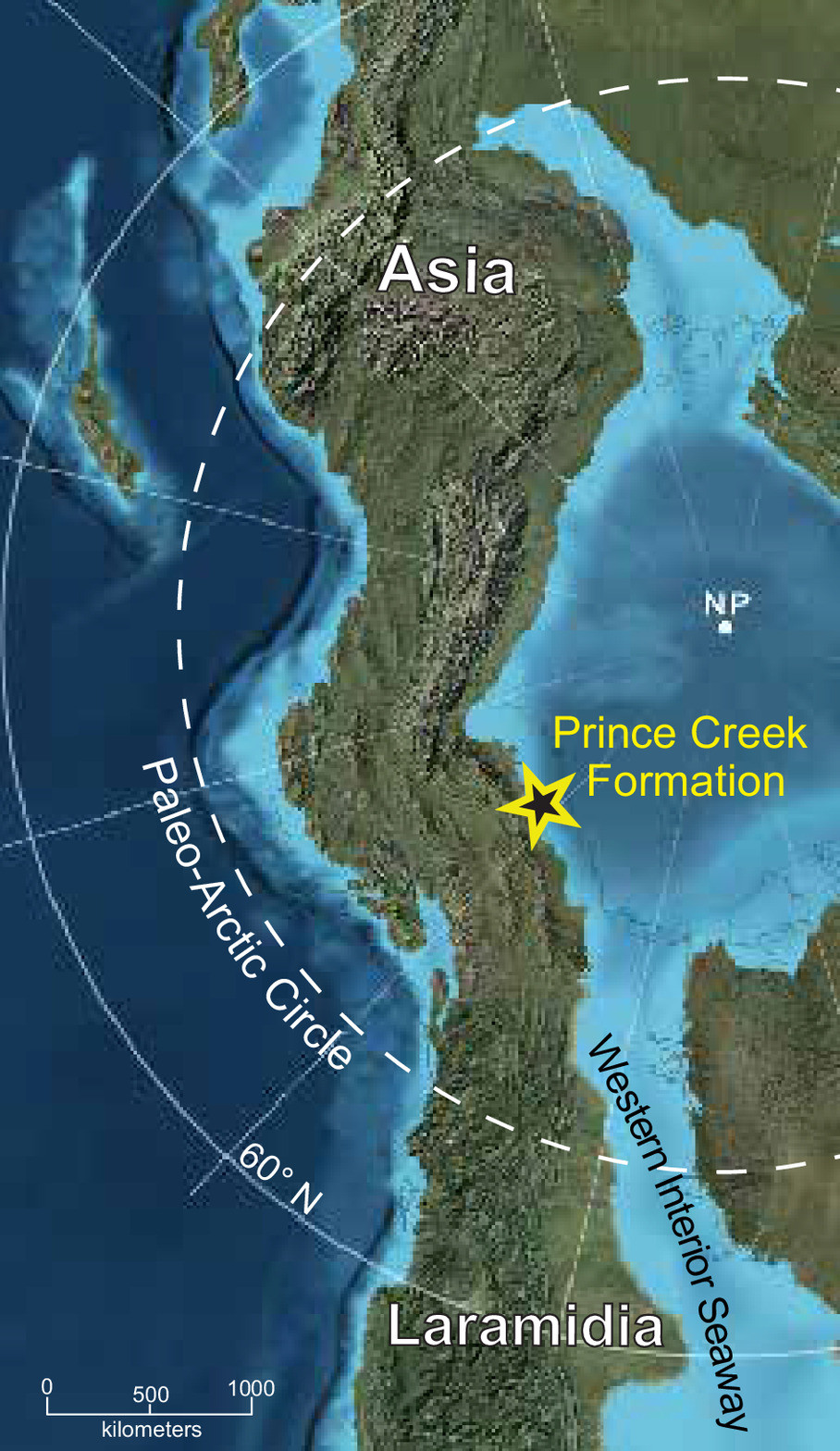
However, fresh analysis of fossils from the Prince Creek Formation challenges this perspective. Researchers pinpointed three extinct mammals, using variations in their dental structures to infer that each occupied distinct ecological roles within the same environment. This study, appearing in the Proceedings of the National Academy of Sciences, highlights the ancient Arctic's significant role in mammalian evolution.

Distinct Tiny Mammals Exhibiting Varied Feeding Strategies
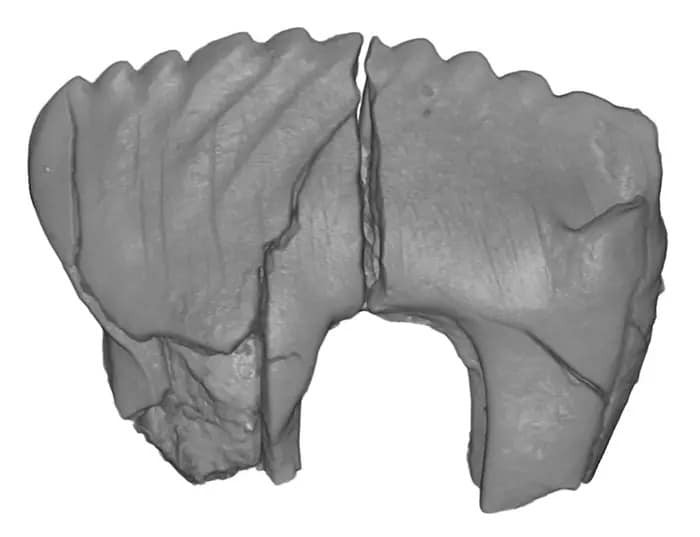
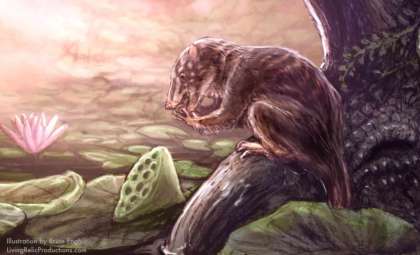
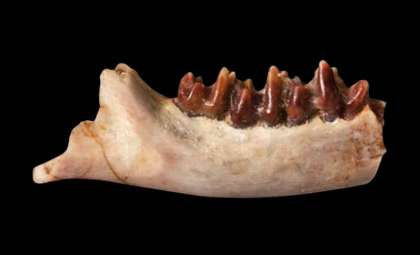
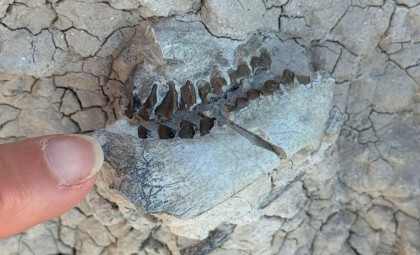
The discovered species are multituberculates, an extinct group of mammals recognized by the multiple rows of tiny bumps (tubercles) on their teeth. The newly named species include Camurodon borealis meaning "Northern curved-tooth," Qayaqgruk peregrinus or "the little wandering hero," and Kaniqsiqcosmodon polaris, translated as "polar frost ornamented tooth."
Analysis of their dental anatomy revealed notable differences in diet. According to the research published in PNAS, Camurodon borealis was most likely herbivorous. Qayaqgruk peregrinus probably had an omnivorous diet including insects and plants, while Kaniqsiqcosmodon polaris leaned towards herbivory but with some omnivorous tendencies.
This dietary diversity is important because it implies these mammals shared available resources by occupying separate ecological niches rather than competing directly.
Surviving and Thriving in a Harsh Polar Environment
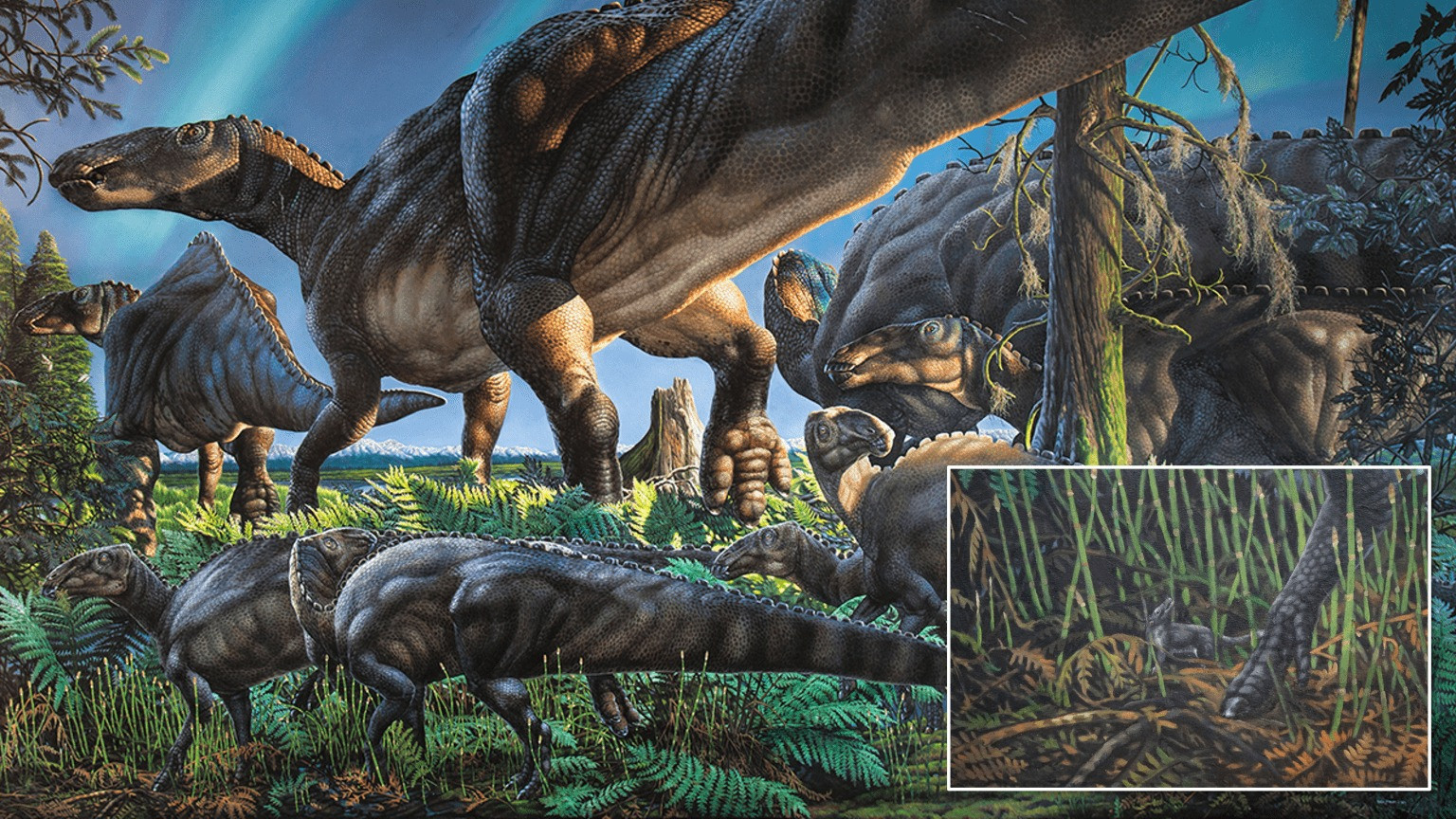
The Late Cretaceous Arctic ecosystem was strikingly different from today’s; nonetheless, it remained a challenging setting. Scientists describe conditions marked by heavy snowfalls, average yearly temperatures near 6°C (42°F), and prolonged winter darkness lasting up to four months. Despite these hardships, small mammals not only endured but diversified.
Sarah Shelley from the University of Lincoln emphasized that polar regions have been key arenas for life's evolution much earlier than often acknowledged.
“There’s a lot of diversity in the multituberculate group. They lived for an incredibly long time, and I think they can reveal a lot about the resilience of mammals, not just to the mass extinction, but also to climatic stresses that many organisms are facing today,” she explained in a statement available on The University of Lincoln’s website.
One Species Traced Back to Ancient Continental Crossings
Among these new discoveries, one mammal exhibits a noteworthy connection. The research team indicates this species is closely linked to multituberculates found in present-day Mongolia.
Scientists hypothesize its ancestors migrated into North America via a land bridge approximately 92 million years ago. This would represent one of the earliest documented cases of mammalian intercontinental migration.
The species’ name subtly nods to this origin. Many Mongolian multituberculates use the word bataar, meaning “hero,” inspiring the nickname "the little wandering hero."
Multituberculates themselves boast an exceptional lineage, persisting for over 100 million years, starting in the Jurassic and lasting until the Eocene’s close roughly 35 million years ago. Patrick Druckenmiller, paleontologist at the University of Alaska Fairbanks, stated:
“These three new mammal species add to a growing body of evidence that this ancient Arctic region was home to unique, polar-adapted species.”
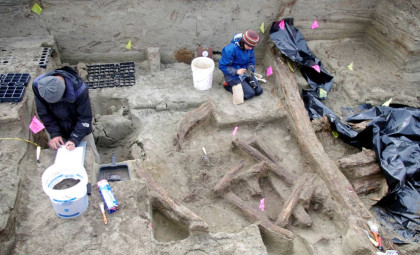
Excavations at this site have uncovered a spectrum of creatures, from large herbivores and predators to an increasing catalog of small mammals, revealing that the ancient Arctic was much more biologically vibrant and complex than previously assumed.
- Categories:
- Science


0 comments
Sign in to Comment