
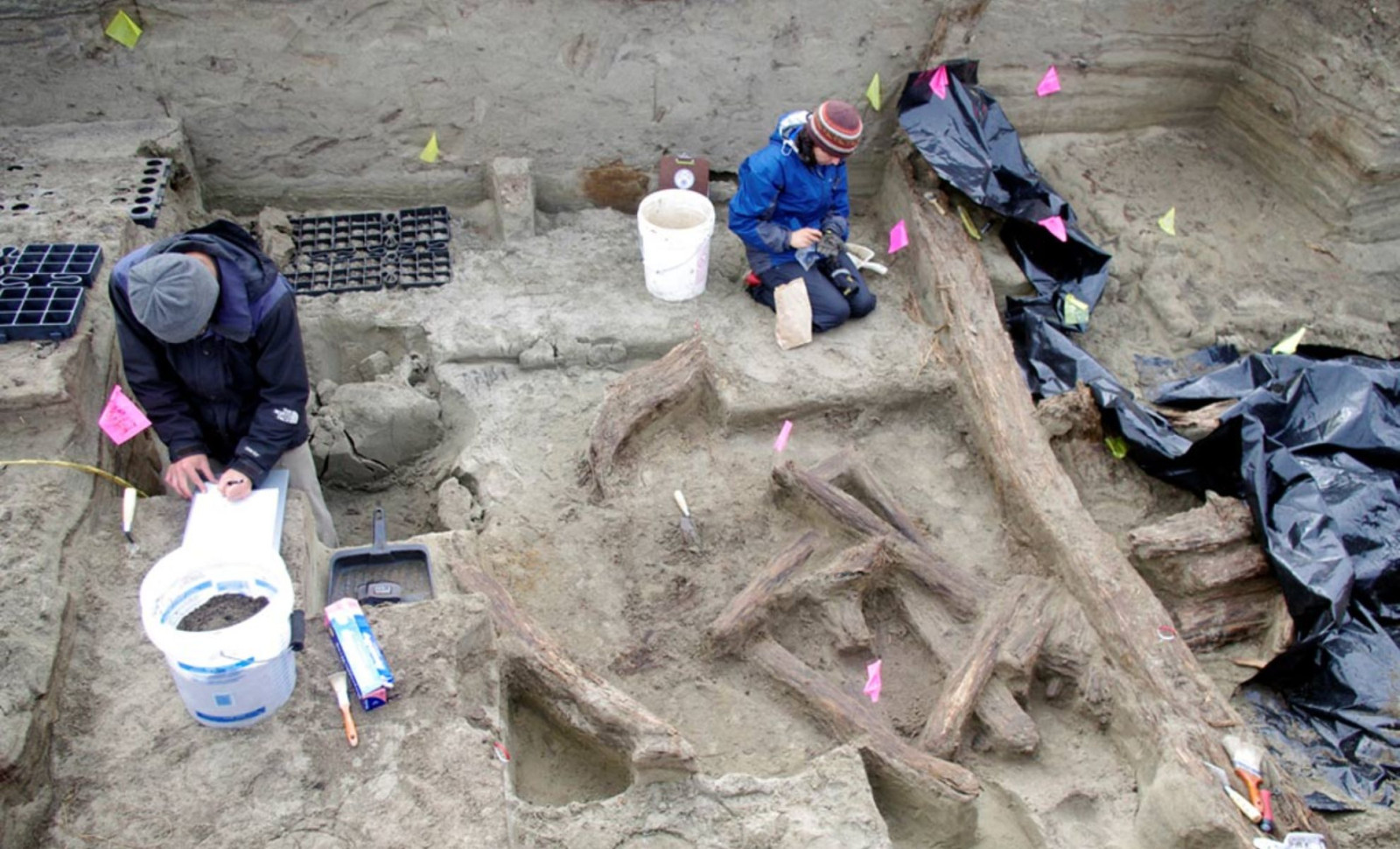
Archaeologists have uncovered a tiny bronze item in a prehistoric Alaskan home that is shedding new light on ancient Arctic connections. Thought to originate from East Asia, this cast artifact represents the earliest known prehistoric bronze discovery in Alaska.
The discovery took place at Cape Espenberg on Alaska’s Seward Peninsula during digs conducted by researchers affiliated with the University of Colorado. Initially unassuming, the object's mold-cast nature revealed it to be something much more significant.
What intrigued the team wasn’t just the discovery location but the artifact’s considerable age. The evidence implies it existed for centuries before being deposited within the ancient dwelling.

Bronze Relic Hidden Beneath an Ancient Inupiat Home
The artifact was uncovered inside a roughly 1,000-year-old home tied to early Inupiat Eskimos. Constructed into a beach ridge within the Bering Land Bridge National Preserve, it was buried beneath around three feet of soil near the entryway. Jeremy Foin, a PhD candidate from University of California, Davis, spotted the object.
The University of Colorado’s press release notes the find measures about two inches in length and one inch wide, with a thickness under an inch. It consists of two segments: a rectangular bar linked to a partially broken circular loop.
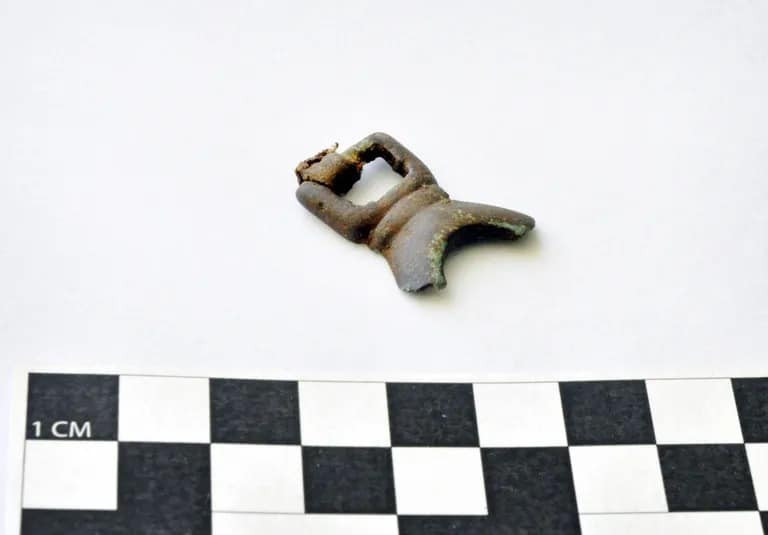
The artifact’s form immediately caught attention. One face features a beveled edge, the other a slight hollow, both revealing it was mold-cast. Foin later reflected on the discovery.
“The shape of the object immediately caught my eye. After I saw that it clearly had been cast in a mold, my first thought was disbelief, quickly followed by the realization that I had found something of potentially great significance,” he said.
Artifact Predates the Dwelling It Was Found In
The team also found a small leather fragment wrapped around the rectangular section. Radiocarbon dating places the leather’s age at approximately A.D. 600.
As John Hoffecker of the University of Colorado’s Institute of Arctic and Alpine Research explained, this date applies to the leather, not necessarily to the bronze artifact’s creation.
“I was totally astonished,” Hoffecker said. “The object appears to be older than the house we were excavating by at least a few hundred years.”
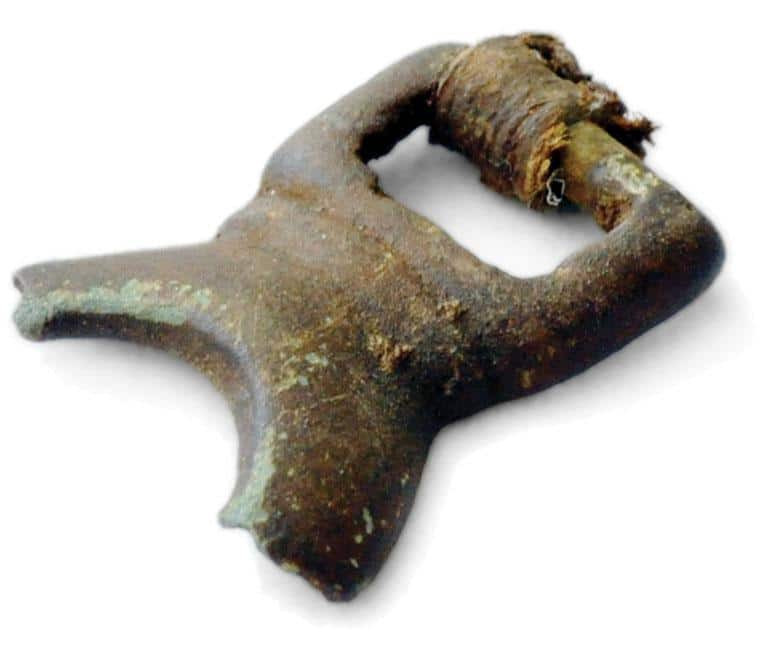
The precise function of the object remains uncertain. Hoffecker and collaborator Owen Mason compared it to a buckle, possibly part of a harness or horse decoration initially. They suggest it may have been repurposed for fastening clothing or tacked onto ceremonial attire later in Alaska.
Tracing a Potential Route Across the Bering Strait
The biggest mystery lies in how this artifact ended up so far north. Mason pointed out that historic bronze production isn’t documented in Alaska, making indigenous manufacture unlikely. Instead, the team hypothesizes that the object originated in East Asia, with possibilities including Korea, China, Manchuria, or southern Siberia.
Hoffecker also referenced southern Siberian steppe regions known for ancient bronze casting. The researchers proposed two key scenarios.
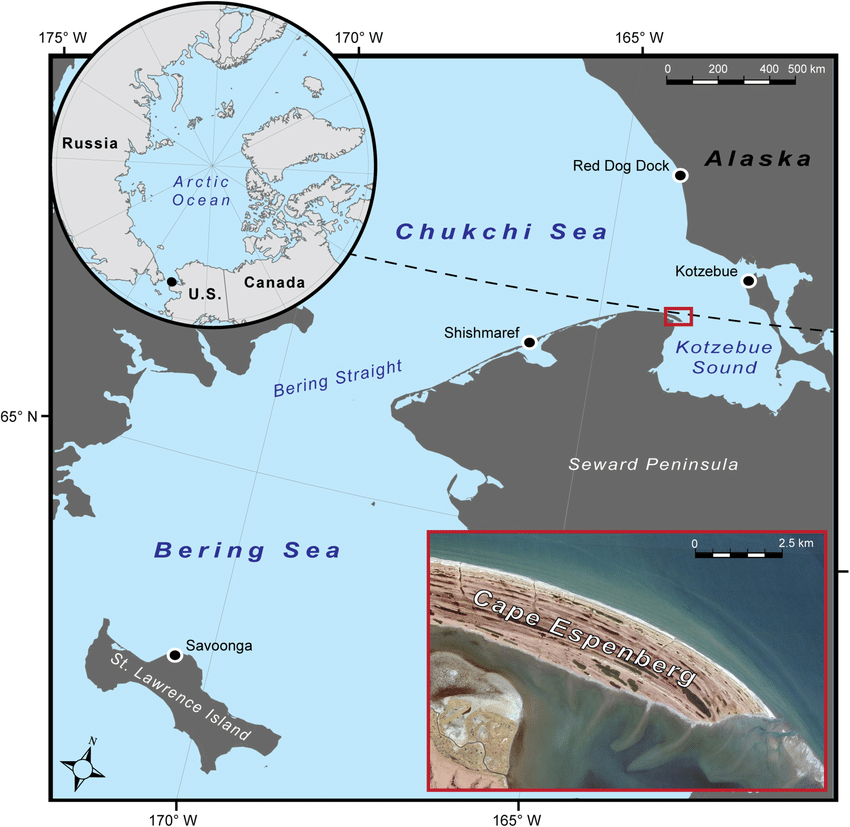
The artifact might have traveled via extensive trade networks or accompanied early Inupiat Eskimos migrating from nearby Siberia into northwest Alaska about 1,500 years ago. Mason offered a more straightforward explanation.
“It was possibly valuable enough so that people hung onto it for generations, passing it down through families.”
Even though the bronze piece is small, it remains a rare clue in an archaeological puzzle. It doesn’t definitively reveal how it arrived or its exact purpose, keeping its story intriguingly open.
- Categories:
- Science






0 comments
Sign in to Comment