
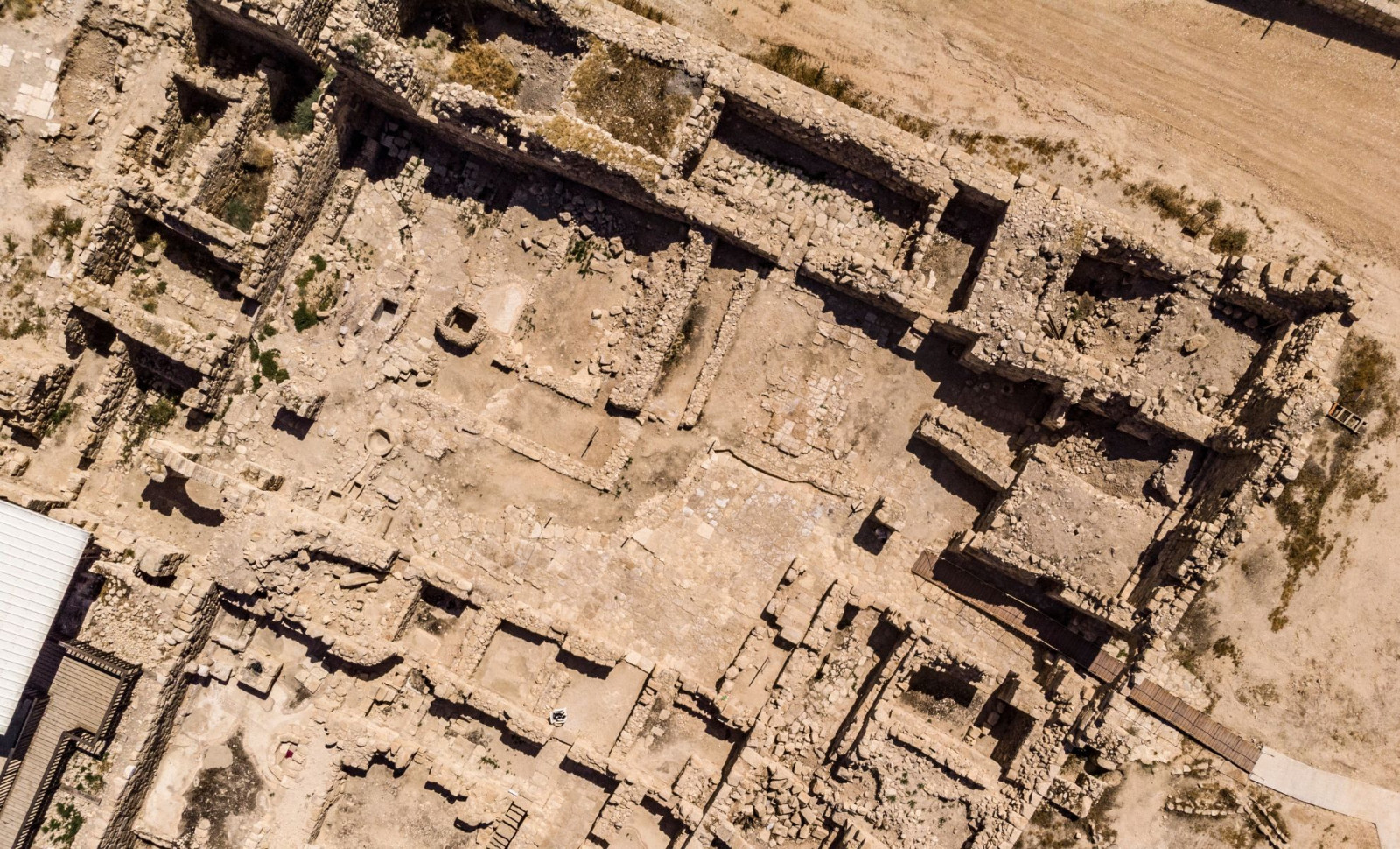
A substantial layer of intentionally placed sand discovered beneath an ancient Mesopotamian temple is challenging previous ideas about worship practices in northern Iraq. This remarkable find indicates that builders of Assur’s Ishtar Temple practiced rituals once thought exclusive to southern Mesopotamia.
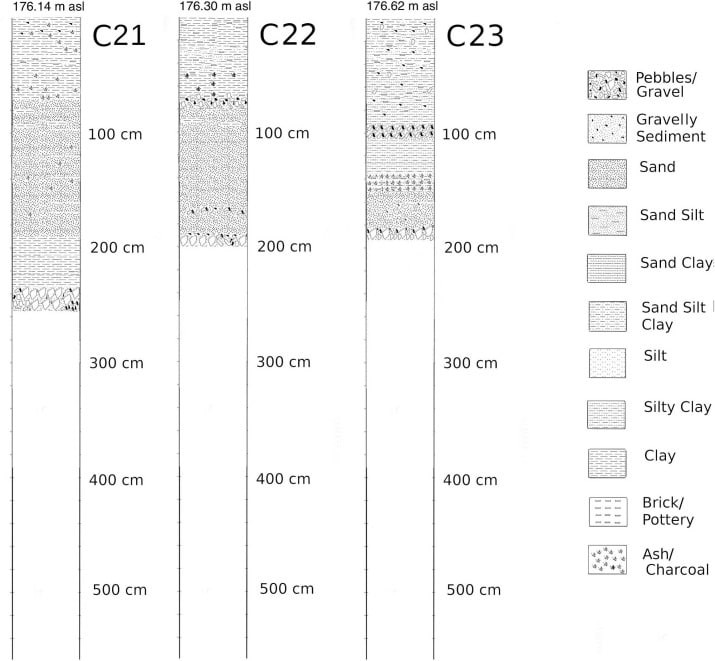
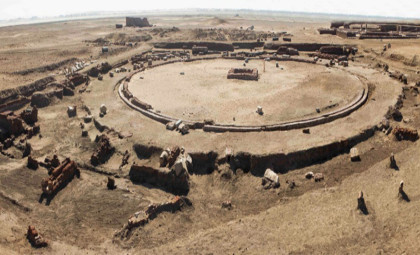
For more than a hundred years, researchers have excavated the Ishtar Temple in Assur, the religious and political core of the Assyrian empire. However, the most critical insights were concealed underground, unnoticed until recent advances allowed scientists to drill into the temple’s layers. Beneath the foundations, they uncovered a thick deposit of pristine, deliberately placed sand containing rare minerals.
A Sacred Layer Concealed in Mineral Grains
Further study revealed the sand was no accidental accumulation. The grain layer was dense, clean, and lacked typical debris such as pottery or tools that would indicate everyday activity. Instead, it appeared to be a purposeful, ritualistic base, hidden for almost five millennia.

The research, detailed in the Journal of Archaeological Science: Reports, highlights that placing purified sand beneath sacred buildings was known in southern Mesopotamia to symbolize spiritual purity and preparedness. Prior to this, such practice was assumed exclusive to the south, but Assur’s Ishtar Temple reveals this ritual had wider reach.
The specialized sand foundation was unique to Ishtar’s temple; it was not found below other major shrines dedicated to gods such as Sin, Shamash, or Anu. This exclusivity highlights Ishtar’s paramount importance in Assur’s divine hierarchy.
Tracing the Origin of the Sand
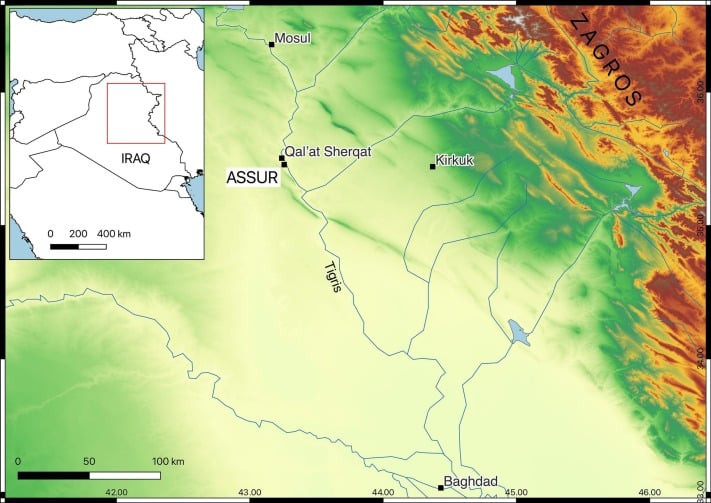
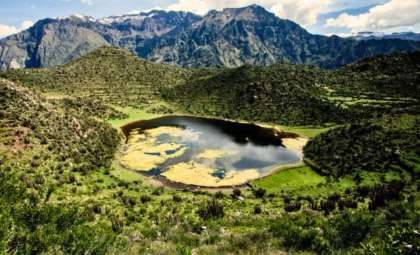
Geological investigations identified the source of the sand as the Zagros Mountains, 30 to 50 kilometers away, rather than the nearby Tigris River, overturning prior assumptions. According to a report by Arkeonews, this selection was deliberate.
The sand contained uncommon minerals such as glaucophane and lawsonite, which form under intense geological pressure. These minerals serve as distinctive markers, confirming the sand’s provenance from the Zagros. The builders’ conscious choice to transport this special material suggests symbolic importance linked to the distant highlands, reinforcing the temple's sacred status.
Beyond rarity, the minerals likely bore cultural and spiritual meaning, connecting the temple’s worship to its mountain origins.
Reevaluating the Origins of Assur
This finding also prompts scholars to revisit the timeline of Assur’s establishment. Previously dated to the third millennium BCE through artifacts and structures, radiocarbon analysis of charcoal fragments above the sand indicates the temple—and possibly the city—was founded earlier, between 2896 and 2702 BCE. This discovery reshapes understandings of northern Mesopotamia’s role in early civilization.
The connection to Ishtar is layered; in southern Mesopotamia, she was known as Inanna, goddess of love, war, and fertility. Meanwhile, the Hurrian-speaking communities in the north revered a related deity, Shaushka, often linked to the Zagros Mountains—the same region supplying the sand beneath the temple.
Researchers suggest that early Assyrians blended southern and highland traditions, creating a rich, complex identity for Ishtar as Assur emerged as a crucial cultural hub.
- Categories:
- Science




0 comments
Sign in to Comment