
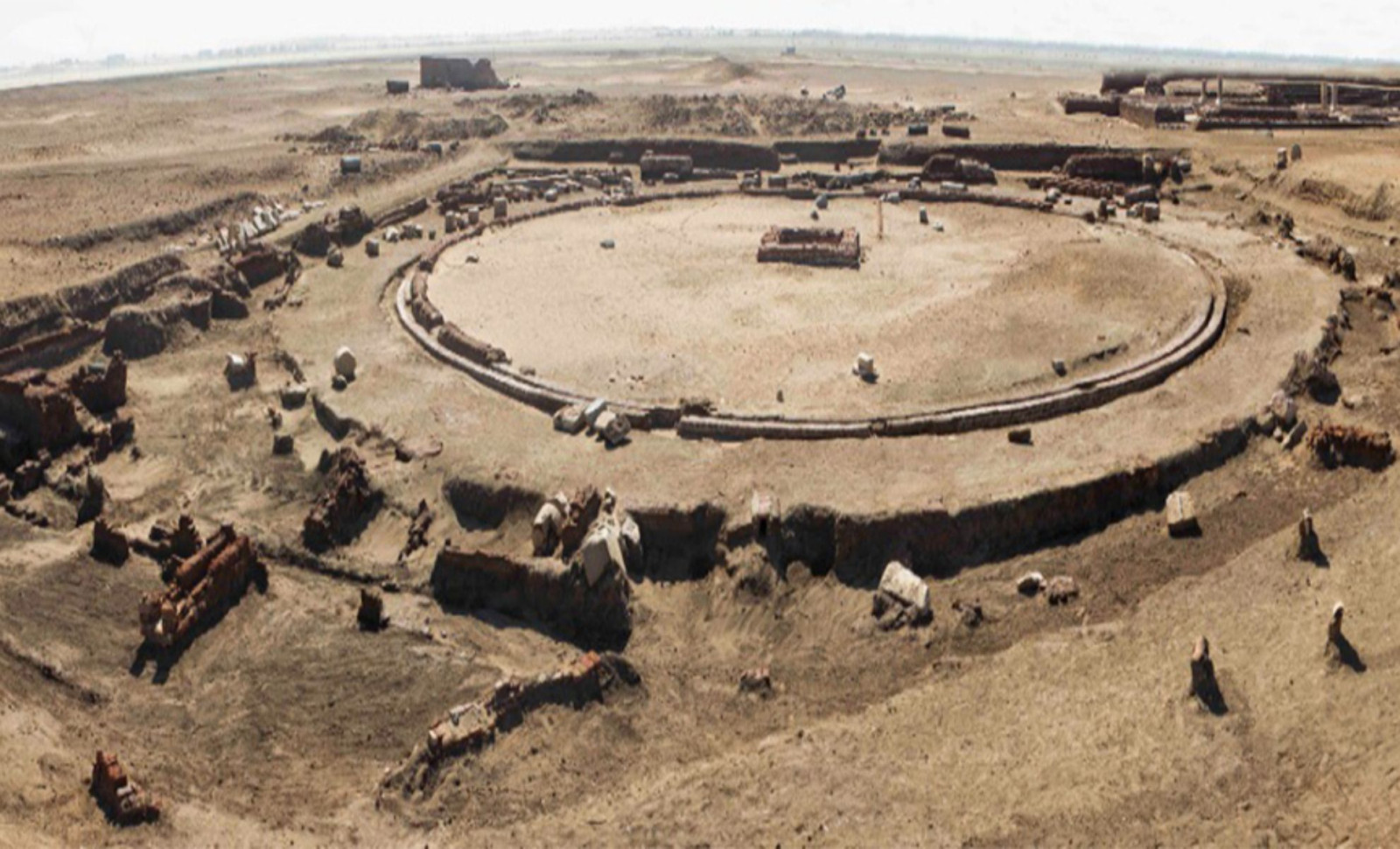
Researchers in Egypt have brought to light a 2,200-year-old round temple in the Nile Delta, offering fresh insights into how ancient Egyptians wove water elements into their spiritual ceremonies. The temple’s direct connection to the Nile River indicates that river-based rituals held an organized and significant role in religious life.
The excavation takes place at Tell el-Farama, the site of ancient Pelusium, a city famed for its strategic importance in commerce and defense. The Egyptian Ministry of Tourism and Antiquities reports that the location is near the eastern fringe of the Nile Delta, where the river intersected vital trade and military pathways.
Pelusium has a rich and complex past, serving as a pharaonic stronghold and later functioning as a customs post during the Roman occupation. Previous digs in the area unearthed a temple devoted to Zeus, highlighting the city's fusion of different cultural influences over time.

Revolutionizing Temple Identification
When the structure was initially found in 2019, only a fragment was visible. Early interpretations considered the reddish-brick ruins as possibly belonging to a governmental or senate-type building. This viewpoint evolved considerably following the temple’s thorough excavation.
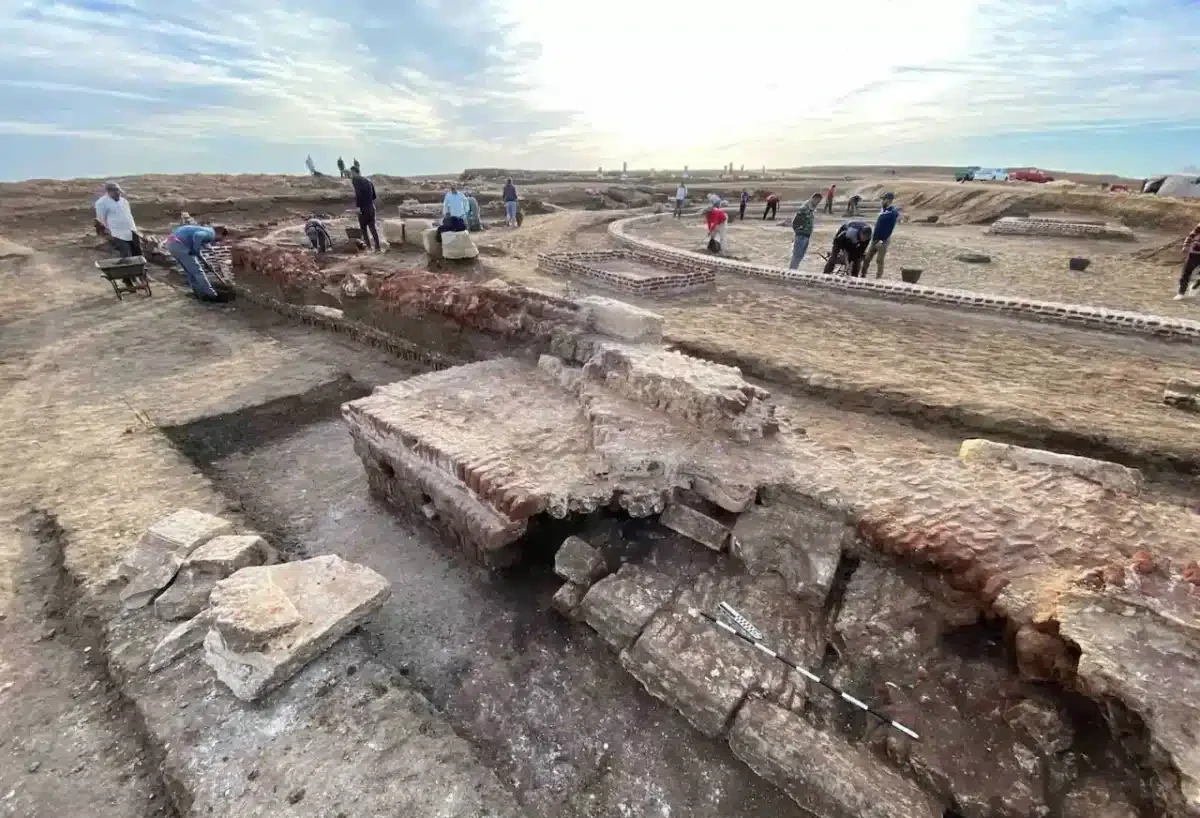
According to details shared by the Egyptian Ministry of Tourism and Antiquities in a Facebook announcement, the entire architectural plan revealed a rare circular sanctuary design, an unusual find in ancient Egyptian constructions.
Only a portion of the temple was explored at first, about one-quarter, before uncovering its full extent. The official release states:
“After six years of archaeological excavations at Tell el-Farama in the city of Pelusium in northern Sinai, the Egyptian archaeological mission of the Supreme Council of Antiquities has uncovered the remains of a unique religious building dedicated to the worship of the city’s local god, “Pelousios”.”
A Nile-Connected Basin at the Heart of the Temple
Professor Mohamed Abdel Badie, leading the Egyptian Antiquities Sector at the Supreme Council of Antiquities, described a central circular basin roughly 115 feet (35 meters) wide in the temple’s core. In its center stands a square platform thought to have held a statue representing the deity Pelusius. The excavation team also discovered that:
“Massive and complex architectural design, featuring a central circular courtyard approximately 35 meters in diameter, surrounded by water channels and reservoirs, with multiple entrances from the eastern, southern, and western sides, while the northern side had been largely destroyed.”
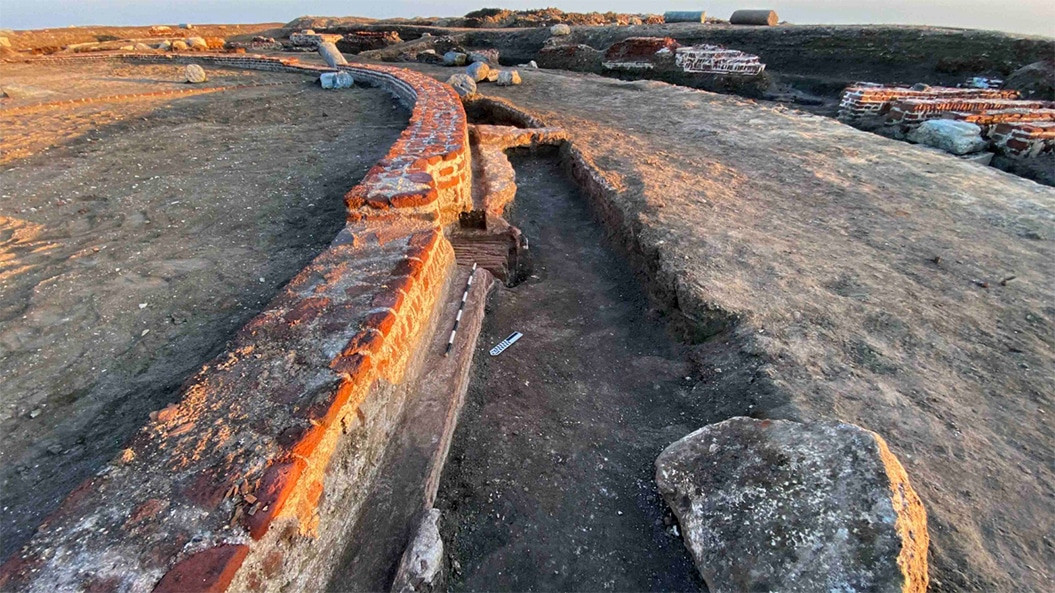
The ministry indicated the presence of Nile water and sediment inside the central basin, reinforcing the idea that the temple’s function was deeply tied to river worship rituals. The god’s name, Pelusius, stemming from the Greek word for “mud” or “clay,” further emphasizes this connection.
A Crossroads of Civilizations
Dating to the second century B.C., the temple remained in use until the sixth century A.D., according to sedimentary layering studies. This era overlaps with significant Greek and Roman dominance in Egypt.
Hisham El-Leithy, the interim head of Egypt’s Supreme Council of Antiquities, noted that the temple exhibits combined architectural traits from Egyptian, Greek, and Roman traditions. This blend highlights Pelusium’s role as a cultural melting pot.
Additional scholarly discussions prompted a reassessment of the temple’s purpose from a civic meeting space to a religious sanctuary focused on water:
“After a number of scientific discussions with several archaeology professors, including Jean-Yves Carrez-Maratray, Professor of Classical Archaeology at the Sorbonne University in Paris, the building was reinterpreted. It was established that it could not have been a civic council house, but rather a sacred water installation associated with religious rituals.”
- Categories:
- Science






0 comments
Sign in to Comment