
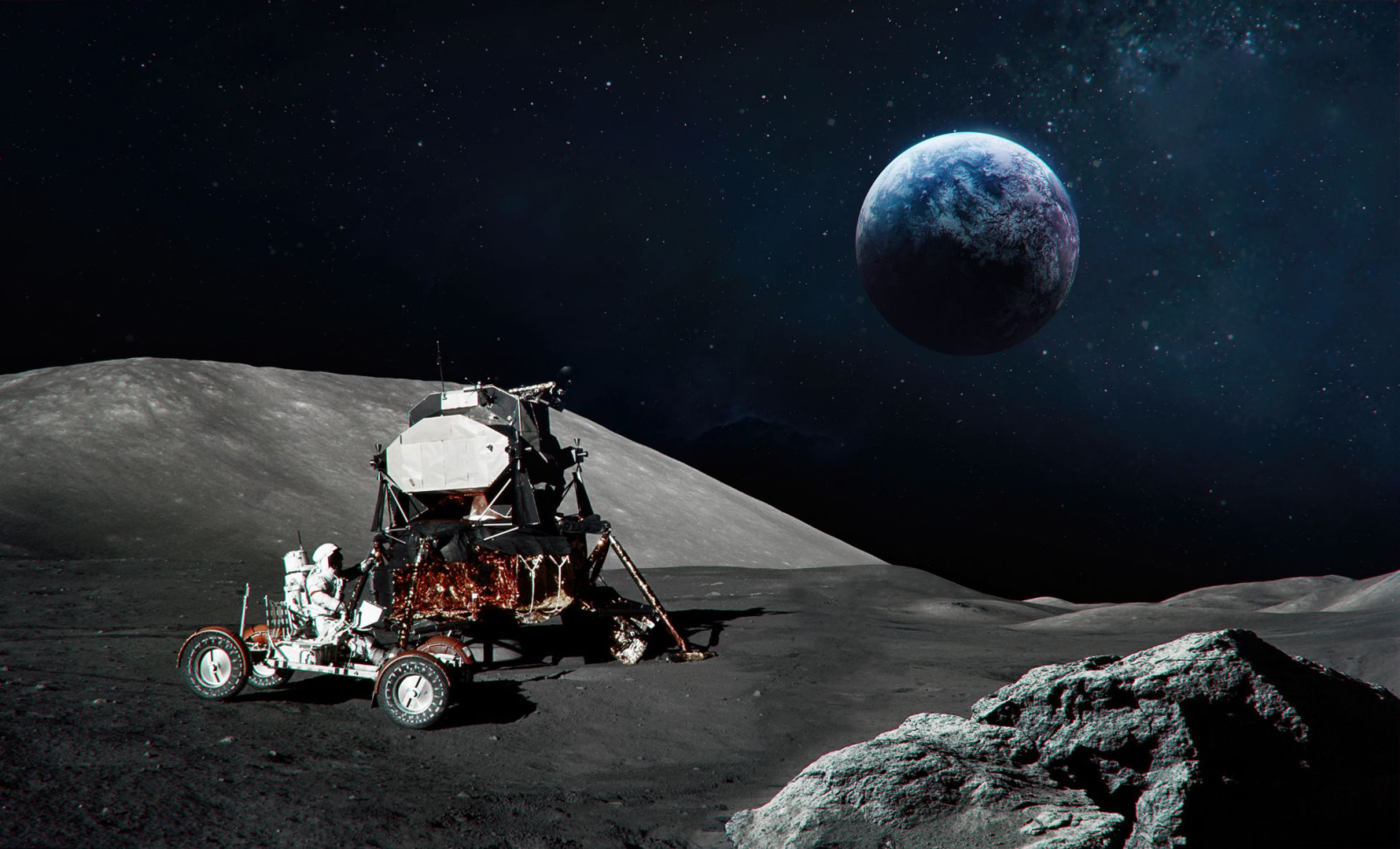
Commercial lunar missions are set to surge in 2026, marking a significant transformation in space exploration approaches. Industry leaders such as Blue Origin, Firefly Aerospace, Intuitive Machines, and Astrobotic are spearheading multiple lunar lander projects to establish their foothold on Earth's nearest celestial body.
As international initiatives aim to build a sustainable presence on the moon, these ventures will function as crucial platforms for testing technologies vital for upcoming crewed missions and may lay the foundation for commercial space infrastructure beyond Earth's orbit.
Blue Origin Sets Sights on First Lunar Touchdown with Blue Moon Mark 1
The moon has regained prominence in the global space agenda. With NASA’s Artemis program and China's lunar plans rekindling focus on the moon’s south polar region, governmental projects are paving the way. Meanwhile, private firms plan to complement these by filling operational gaps. Space.com reports that four key private missions aim to land in varied lunar zones in 2026, supported by major aerospace ventures and public-private cooperation.

Blue Origin, founded by Jeff Bezos, plans its inaugural lunar landing through the robotic Blue Moon Mark 1 lander. Dubbed Pathfinder Mission 1, this endeavor is slated to launch in early 2026 aboard a New Glenn rocket from Cape Canaveral, aiming at the moon’s south pole.
The Mark 1 lander, weighing up to 3,000 kilograms, is engineered to validate precise landing technologies and novel propulsion systems destined for future human and robotic missions. This effort is a vital precursor to Blue Origin’s role in NASA’s Human Landing System, which targets astronaut returns to the lunar surface within the decade. The onboard NASA SCALPSS payload will study the interaction between the lander’s engine exhaust and lunar soil.
Firefly Aerospace Targets Lunar Far Side Mission with Blue Ghost M2
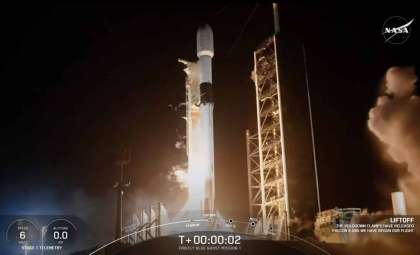
Based in Texas, Firefly Aerospace is preparing its return to the moon with Blue Ghost M2, a successor to its initial mission that landed in Mare Crisium. The launch, planned no earlier than Q2 2026 aboard a SpaceX Falcon 9, aims to reach the moon’s far side, a location only previously explored by Chinese missions.
The Blue Ghost M2 will transport a blend of commercial and international instruments, including the Rashid Rover 2 developed by the United Arab Emirates and a wireless power receiver donated by Volta Space.
According to Space.com, the mission features deployment of the Lunar Pathfinder orbiter from the European Space Agency, delivered via Firefly’s Elytra orbital transfer vehicle. Elytra will function as a communication relay for operations on the far side, which lacks direct Earth radio contact. The lander’s surface stay is anticipated to last approximately 10 days.
Intuitive Machines Returns with Improved IM-3 Lander
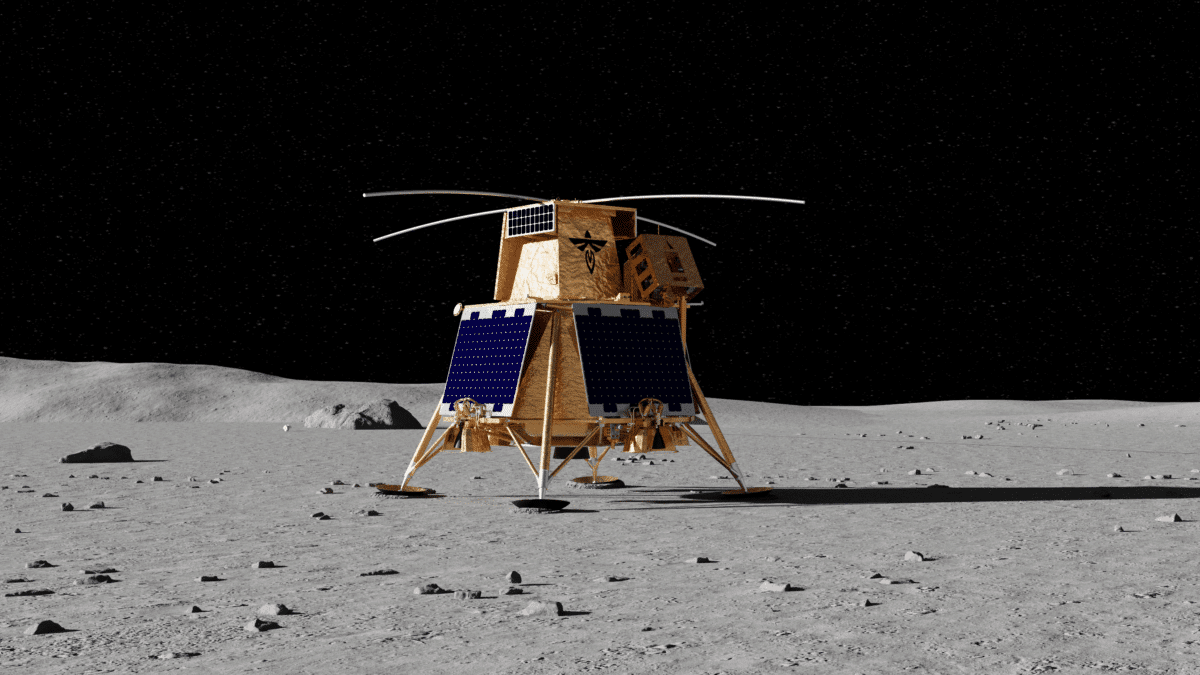
Intuitive Machines will deploy its IM-3 lander to the Reiner Gamma area using the NOVA-C platform and a Falcon 9 rocket launching from NASA’s Kennedy Space Center. Past landers, IM-1 Odysseus and IM-2 Athena, reached the lunar surface but toppled upon landing, prompting enhancements in design for this mission, according to Space.com.
IM-3 will emphasize scientific investigations, equipped with magnetometers and plasma sensors to explore the distinct magnetic anomalies at the Reiner Gamma site. This mission supports NASA’s Commercial Lunar Payload Services (CLPS) program that encourages private lunar deliveries.

Astrobotic’s Griffin-1 Mission Aims for Moon in Mid-2026
Meanwhile, Astrobotic is gearing up for its second moon mission, Griffin Mission 1, following the 2024 setback of its Peregrine lander. Griffin-1 is planned for launch on a Falcon Heavy rocket no sooner than July 2026.
Originally carrying NASA’s VIPER rover, the payload has been reassigned. Instead, the Griffin lander will transport Astrolab’s 1,000-pound FLIP rover, alongside the smaller CubeRover and a variety of commercial and cultural payloads. Astrobotic hopes a successful mission will restore confidence after the earlier propulsion issues caused by a malfunctioning valve.

- Categories:
- News










0 comments
Sign in to Comment