
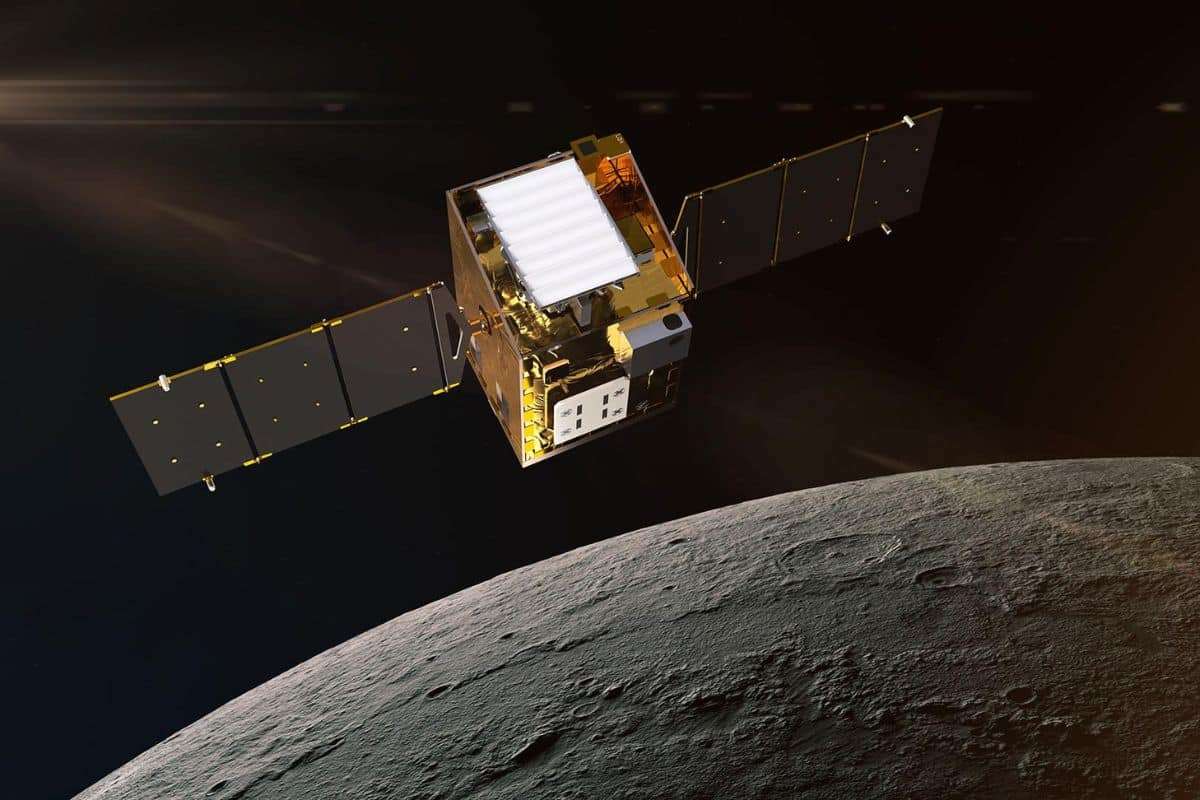
Recently dispatched space probes are encountering unexpected technical difficulties soon after deployment, underscoring the challenges inherent in space missions. NASA's Lunar Trailblazer and Astroforge's Odin, both launched on February 26 aboard a SpaceX Falcon 9 rocket, are currently dealing with communication and power troubles that threaten their operational success.
Power Challenges Plague Lunar Trailblazer
Following its separation from the Falcon 9 rocket, NASA’s Lunar Trailblazer, tasked with locating lunar water, began experiencing power irregularities shortly after deployment.
As reported by Gizmodo, contact with the spacecraft was lost on February 27. NASA successfully reestablished communication hours later, but engineers are urgently analyzing the power system to resolve the issue using ground station data.

The Lunar Trailblazer mission falls under NASA's SIMPLEx program, known for its “high-risk, low-budget” approach. Although originally designed to stay within $55 million, the mission’s expenses have risen to $94 million due to unforeseen factors.
NASA recognizes that such cost-sensitive projects carry increased risk, as they undergo less stringent oversight compared to larger-scale missions.
Odin Probe Faces Communication Difficulties
Similar struggles are unfolding with Astroforge’s Odin, whose mission to test asteroid mining objectives has been compromised by major communication disruptions shortly after launch.
Astroforge CEO Matt Gialich disclosed that a failure in the ground-based power amplifier caused loss of contact. In a video statement, Gialich remarked, “I don’t even know how you make this up.”
Despite these hurdles, Odin remains functional, sustaining power through its solar panels. NASA is collaborating with Astroforge using its ground stations to restore telemetry and commands, aiming to pinpoint power issues and explore possible fixes.
Odin’s mission continues, as it plans to leverage lunar gravity to reach the asteroid 2022 EB5, currently located about 4 million miles from Earth. Valued at roughly $6.5 million, the project is a cost-effective alternative compared to traditional probes. Astroforge, which has secured $55 million in funding, had been preparing for this endeavor before the signal problems arose.
- Categories:
- News









0 comments
Sign in to Comment