
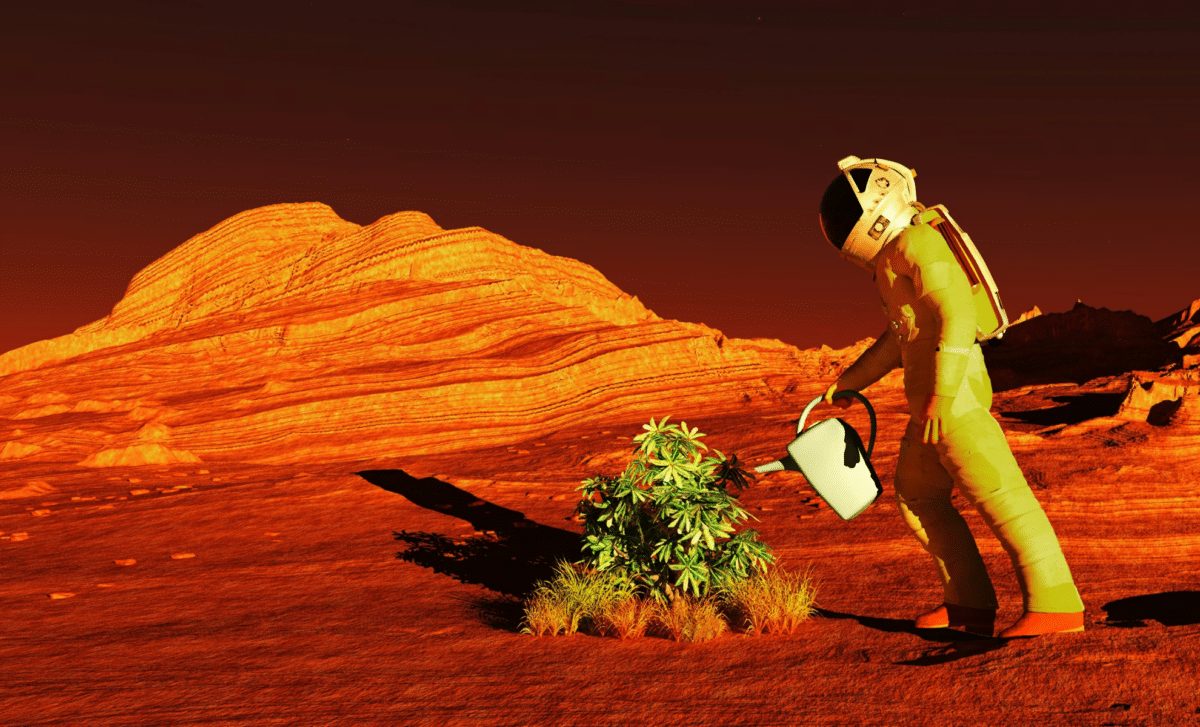
While cultivating plants on Mars may seem far-fetched, scientists from around the globe suggest that fungi could be crucial allies in this endeavor. Recently featured in the Frontiers in Astronomy and Space Sciences journal, their research outlines how certain fungi might convert Mars’ barren soil into a nutrient-rich substrate to support plant growth. Leveraging fungi’s natural capacities could pave the way for sustainable food production on the Red Planet.
Addressing Mars' Soil Deficiency with Fungi
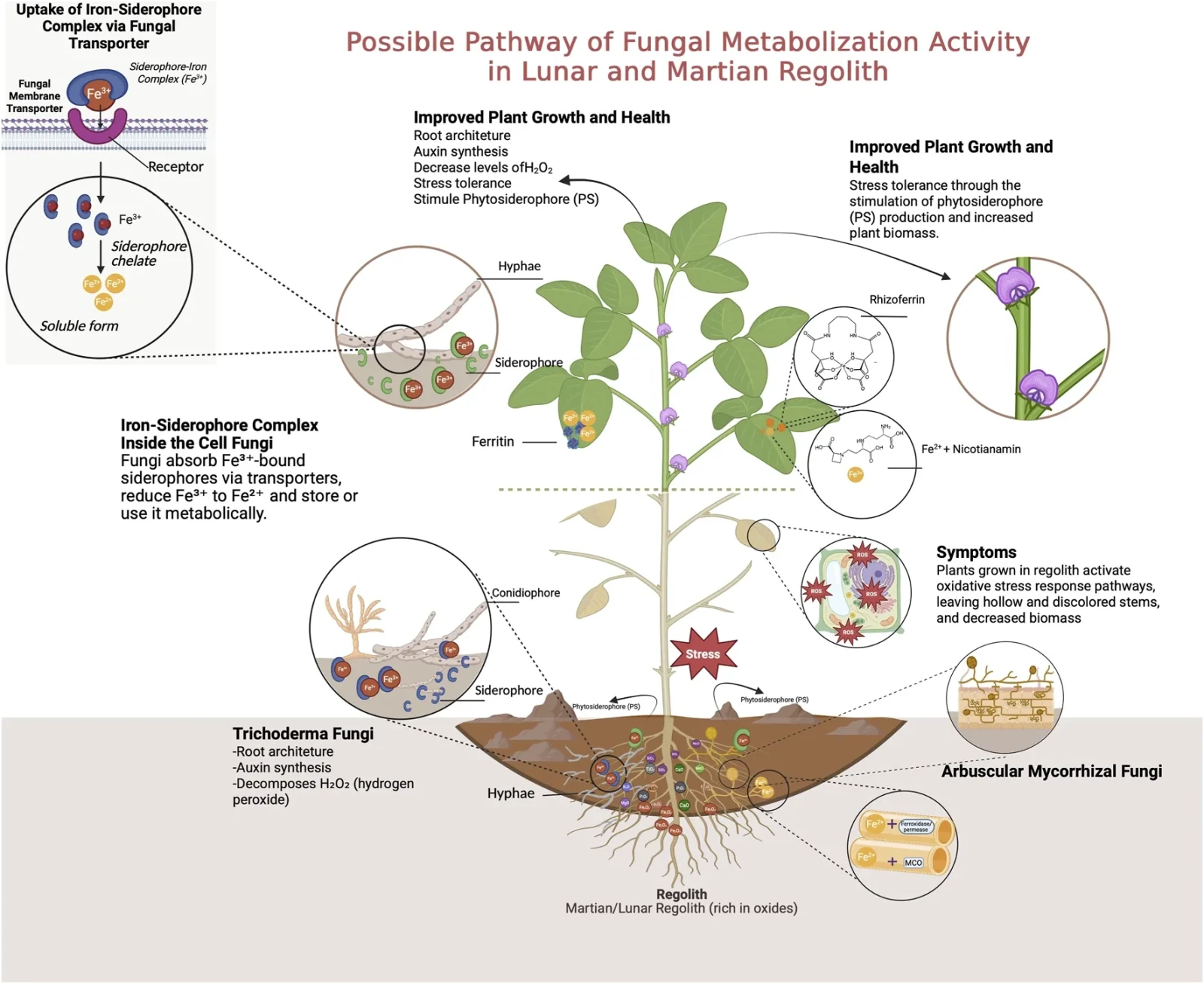
The Martian surface consists largely of regolith, a loose layer of rocky debris lacking vital nutrients like nitrogen, phosphorus, and potassium that crops require. Since transporting these nutrients from Earth is challenging and costly, fungi offer an innovative solution. Species such as arbuscular mycorrhizal fungi (AMF) act as natural extensions to plant roots, substantially boosting a plant’s nutrient and water absorption capabilities. These fungi have proven effective in enhancing crop growth on Earth, even under harsh conditions.
The research explores the potential of introducing these fungi into Martian regolith to mimic fertile soil. Enhancing nutrient recycling and increasing plant resilience to the inhospitable Martian environment, fungi could enable productive, long-lasting agriculture. As noted by Universe Today, this strategy aligns with broader efforts called in situ resource utilization (ISRU), which focus on using local materials to support space exploration.

The Potential of AMF and Other Key Fungi
Arbuscular mycorrhizal fungi have been extensively studied in plant science for more than a century, proving their ability to create highly beneficial symbiotic relationships with plants. These fungi increase the surface area of plant roots, improving nutrient acquisition. Additionally, fungi such as Trichoderma not only promote robust plant growth but also enhance soil quality and help plants withstand environmental stresses.
By combining Martian soil with these beneficial fungi, it could become unnecessary to transport large amounts of Earth soil or fertilizers, reducing mission expenses dramatically. Furthermore, fungi might mitigate chemical hazards from Martian dust, making the growth medium safer for future food cultivation.
Evidence Supporting This Approach and Future Directions
The findings, shared in Frontiers in Astronomy and Space Sciences, integrate knowledge from fungal biology, space farming, and ISRU. Experiments on Earth have shown fungi’s ability to boost crops in poor soils, while early tests aboard the International Space Station demonstrate their survival under extreme conditions. Researchers hope to confirm similar benefits using actual Martian soil in the future.
Recent studies emphasize the transformative potential of utilizing microbes combined with native materials. For instance, an experiment mixed a tiny amount of cyanobacteria with Martian soil simulant and successfully cultivated 27 grams of duckweed, highlighting how microorganisms can greatly enhance biomass output in extraterrestrial environments. This evidence points to a future where fungi enable Mars to support flourishing agriculture.
- Categories:
- Science










0 comments
Sign in to Comment